Understanding and Treating Toe Fungus
Introduction to Toe Fungal Infections
More Than Just an Itch
A toe fungal infection happens when a tiny, microscopic fungus gets under your skin or nail and starts to multiply. These organisms, part of the same family as mushrooms and mold, thrive in warm, dark, and moist environments. Your shoes are pretty much a perfect home for them.
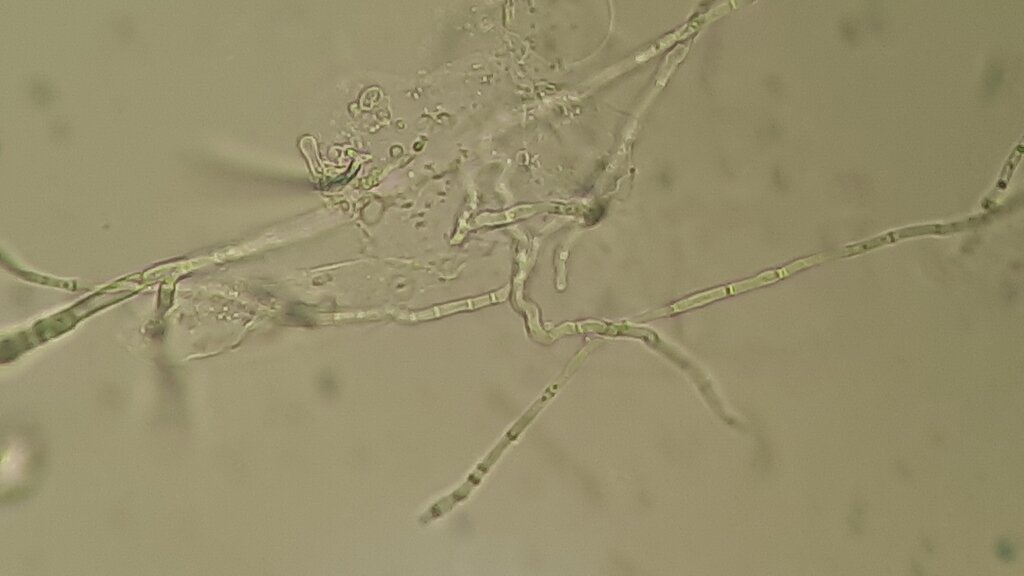
It's easy to dismiss a little itchiness or a discolored nail as a minor issue. But understanding these infections is important. Left untreated, they can spread, cause significant discomfort, and sometimes lead to more serious complications, especially for people with weakened immune systems or diabetes. Knowing what causes the problem is the first step toward getting rid of it for good.
Meet the Culprits
Not all toe fungi are the same. The vast majority of infections are caused by a group of fungi called dermatophytes. These fungi need keratin, a protein found in your skin, hair, and nails, to survive.
Dermatophyte
noun
A type of fungus that requires keratin for growth and can cause infections of the skin, hair, and nails.
Other fungi, like yeasts (such as Candida) and certain molds, can also be responsible, though this is less common for feet. Depending on the type of fungus and where it takes hold, you'll experience different issues. The two most common conditions are athlete's foot, which affects the skin, and fungal nail infections.
| Infection Name | Common Name | What It Affects |
|---|---|---|
| Tinea Pedis | Athlete's Foot | Skin, especially between the toes |
| Onychomycosis | Fungal Nail Infection | Toenails |
Recognizing the difference is key because it helps guide proper care. While they are caused by similar organisms, an infection of the skin is not the same as one that has settled deep within a nail.
What type of environment best promotes the growth of the fungi responsible for toe infections?
The vast majority of toe and nail fungal infections are caused by a group of fungi called ______, which feed on keratin.