Understanding and Supporting Mental Well-being
Introduction to Mental Health
What is Mental Health?
Everyone has mental health, just like everyone has physical health. It's not about being happy all the time. Instead, it’s about how we think, feel, and act. It determines how we handle stress, relate to others, and make choices.
Mental Health
noun
A state of well-being in which an individual realizes their own abilities, can cope with the normal stresses of life, can work productively, and is able to make a contribution to their community.
Think of it as your emotional and psychological fitness. Just like physical fitness, it's not a fixed state. It can fluctuate from day to day based on life events, relationships, and even physical health. Some days you might feel resilient and on top of things; other days you might feel overwhelmed or sad. This is a normal part of the human experience.
Good mental health isn't the absence of problems. It's the ability to cope with them.
More Than Just 'Not Sick'
A common point of confusion is the difference between mental health and mental illness. They are related, but they are not the same thing. Having poor mental health is not the same as having a mental illness. And surprisingly, a person with a diagnosed mental illness can still experience a high degree of mental health.
Imagine two separate scales. One measures your mental health, ranging from languishing to flourishing. The other measures mental illness, from having no symptoms to severe symptoms.
Here’s what this means:
- Flourishing with No Symptoms: This is the ideal state—feeling good and functioning well, with no diagnosable mental illness.
- Languishing with No Symptoms: A person might not have a mental illness, but they are struggling. They might feel empty, stuck, or uninspired.
- Flourishing with High Symptoms: Someone can have a diagnosed condition like depression or anxiety but be managing it effectively. With support and coping strategies, they can live a full, satisfying life.
- Languishing with High Symptoms: This is when a person is experiencing a mental illness that significantly interferes with their well-being and ability to function.
This model shows us that recovery isn't just about eliminating symptoms; it's about building resilience and finding ways to flourish even when challenges exist.
Busting Common Myths
Misconceptions about mental health can create stigma, which often prevents people from seeking help. Let’s clear up a few common myths.
One of the most damaging myths is that mental health struggles are a sign of weakness or a character flaw. This is simply untrue. Mental health conditions are real, diagnosable health issues, influenced by a mix of genetics, biology, environment, and life experiences. No one would tell a person with diabetes to just “get over it,” and the same should be true for someone with depression.
Another common misconception is that people can just “snap out of” a mental illness. This ignores the complex reality of these conditions. While self-care and positive thinking can help, they are rarely enough to resolve a clinical disorder. Professional support is often necessary, just as it is for a serious physical ailment.
| Myth | Fact |
|---|---|
| Mental health problems are a sign of weakness. | Mental health conditions are medical issues, not character flaws. They are caused by a combination of biological, psychological, and social factors. |
| You can just "get over" a mental illness if you try hard enough. | Recovery often requires professional help, such as therapy or medication, not just willpower. |
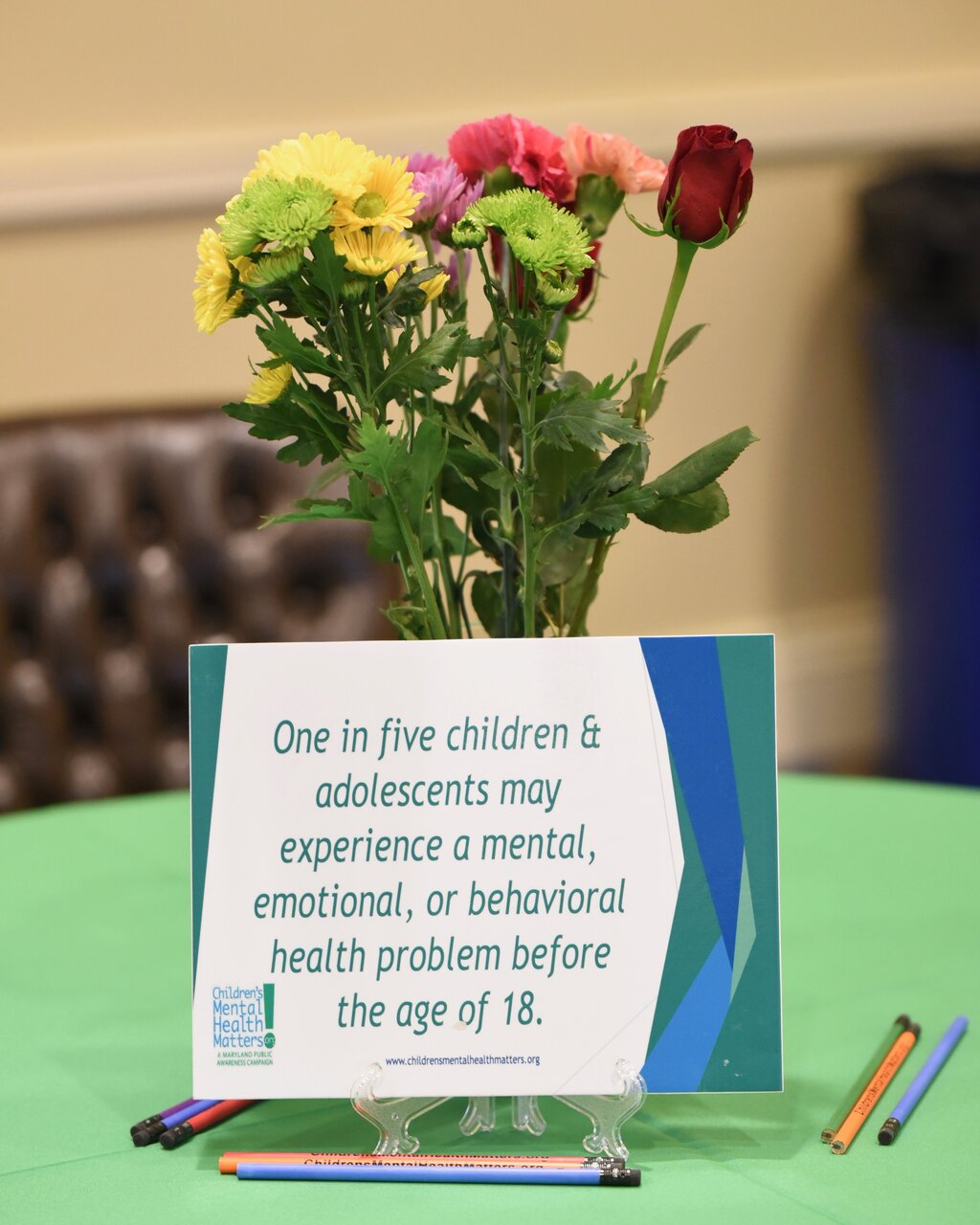
| Mental health problems are rare. | Mental health conditions are common. Statistically, millions of people experience them every year across all walks of life. |
Understanding these truths is the first step toward creating a more supportive environment where everyone feels comfortable talking about their mental health and seeking help when they need it.
Ready to check your understanding? Let's see what you've learned.
Which statement best describes mental health?
A person who has been diagnosed with a mental illness, such as anxiety, cannot experience good mental health.
Recognizing that mental health is a vital part of everyone's life—separate from but related to mental illness—helps us better understand ourselves and support those around us.