Understanding and Supporting Autistic Teenagers with PDA
Introduction to PDA
What is Pathological Demand Avoidance?
Pathological Demand Avoidance, or PDA, is a profile within the autism spectrum. Its main feature is an intense, anxiety-driven need to resist and avoid the ordinary demands of life. This isn't about being defiant or difficult on purpose. It's a deep-seated response to feeling a loss of control.
When faced with a demand, a person with a PDA profile experiences a surge of anxiety that can feel like a panic attack. Their avoidance strategies are an attempt to manage that overwhelming feeling. The term "pathological" can be controversial, as it implies a disorder. Many prefer to think of it simply as a PDA profile of autism, emphasizing that it's a natural variation of human experience.
Key Characteristics
The PDA profile has several distinct features. A key one is the use of social strategies to get out of things. While another autistic person might directly refuse a task, a teen with a PDA profile might change the subject, make an excuse, or try to charm their way out of it.
They may appear sociable on the surface, understanding social dynamics well enough to use them for avoidance. This can mask their underlying challenges with social interaction and communication.
Another hallmark is a drive for control, which stems from their anxiety. They often experience intense emotions and rapid mood swings, especially when they feel their sense of autonomy is threatened. This can look like impulsive behavior or even meltdowns. While many autistic people find comfort in routine, someone with a PDA profile may resist routines because they become just another demand.
| Feature | Typical Autistic Profile | PDA Profile |
|---|---|---|
| Response to Demands | May directly refuse or need clear, logical reasons. | Uses social strategies (excuses, distraction, charm) to avoid. |
| Social Interaction | May have more apparent difficulties with social cues. | Often appears socially capable, masking underlying challenges. |
| Need for Routine | Often finds comfort and safety in predictable routines. | May resist routines as they can feel like demands. |
| Emotional Regulation | Can experience meltdowns from sensory or social overload. | Experiences intense mood swings, often linked to perceived loss of control. |
The Role of Anxiety
Anxiety is the engine behind PDA behaviors. It's crucial to understand that the avoidance is not a choice but a compulsion. Everyday requests that most people take for granted can trigger an automatic, overwhelming flight-or-fight response.
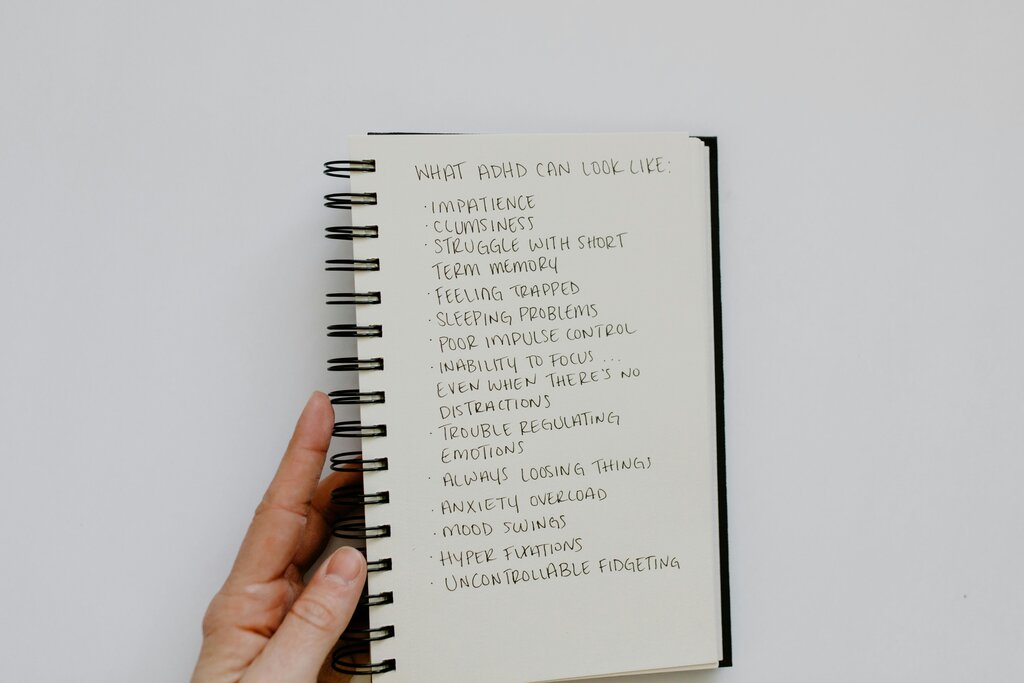
Imagine being asked to simply put on your shoes. For a teen with a PDA profile, this request can instantly trigger a feeling of being trapped. The brain perceives the demand as a threat to their autonomy, leading to intense anxiety. The only way to relieve that anxiety is to avoid the demand and regain a sense of control.
This cycle helps explain why traditional discipline or reward systems are often ineffective and can even make things worse. They introduce more demands, fueling the anxiety rather than addressing its root cause.
What is the primary driver behind the demand avoidance seen in the PDA profile of autism?
Which of the following is a characteristic way someone with a PDA profile might avoid a request like "put on your shoes"?
Recognizing the PDA profile is the first step toward understanding the unique needs of these autistic teenagers. It shifts the focus from viewing their behavior as oppositional to seeing it as an expression of profound anxiety and a need for safety and control.