Understanding and Resisting Manipulation
Understanding Manipulative Tactics
What Is Manipulation?
Psychological manipulation is a type of social influence that aims to change the behavior or perception of others through abusive, deceptive, or underhanded tactics. At its core, it's about control. Unlike healthy social influence, where both parties benefit, manipulation is a one-sided affair. One person's goals are advanced at the other's expense.
Manipulation involves the management of facts, ideas or points of view to play upon inherent insecurities or emotional appeals to one’s own advantage.
Manipulative behavior isn't always obvious. It can be subtle, creeping into a relationship slowly and making you question your own judgment. The key is intent. A manipulator seeks to create an imbalance of power, making you feel responsible for their feelings or actions and steering you toward outcomes that serve only them.
Common Tactics
Manipulators use a variety of tactics to exert control. Recognizing these patterns is the first step toward understanding the dynamic. Here are a few common ones.
gaslighting
verb
A form of psychological manipulation in which a person seeks to sow seeds of doubt in a targeted individual, making them question their own memory, perception, or sanity.
Gaslighting is a slow burn. A manipulator might deny that events happened, insist you misunderstood, or claim you're being overly sensitive. The goal is to erode your confidence in your own reality.
Example: After a manipulator says something hurtful, you confront them. They respond, "I never said that. You're imagining things again. You're always so emotional."
Another common tactic is guilt-tripping. This involves making someone feel guilty or responsible for something they didn't do, or for the manipulator's own unhappiness. It leverages your sense of empathy and duty against you.
Example: "I bought you this gift, and now you don't want to spend time with me? After all I do for you, I guess I don't matter that much."
Passive-aggressiveness is another tool. Instead of communicating directly, a person might use indirect expressions of hostility, like sulking, giving the silent treatment, or offering backhanded compliments. This forces you to guess what's wrong and often puts you in the position of trying to fix a problem you didn't create.
Example: You get a promotion at work. Your partner says, "Oh, that's great. I guess you won't have any time for me now."
The Psychological Toll
Being in a manipulative relationship can have a significant impact on your mental and emotional well-being. The constant questioning of yourself and the emotional pressure can be exhausting. Over time, it can chip away at your sense of self.
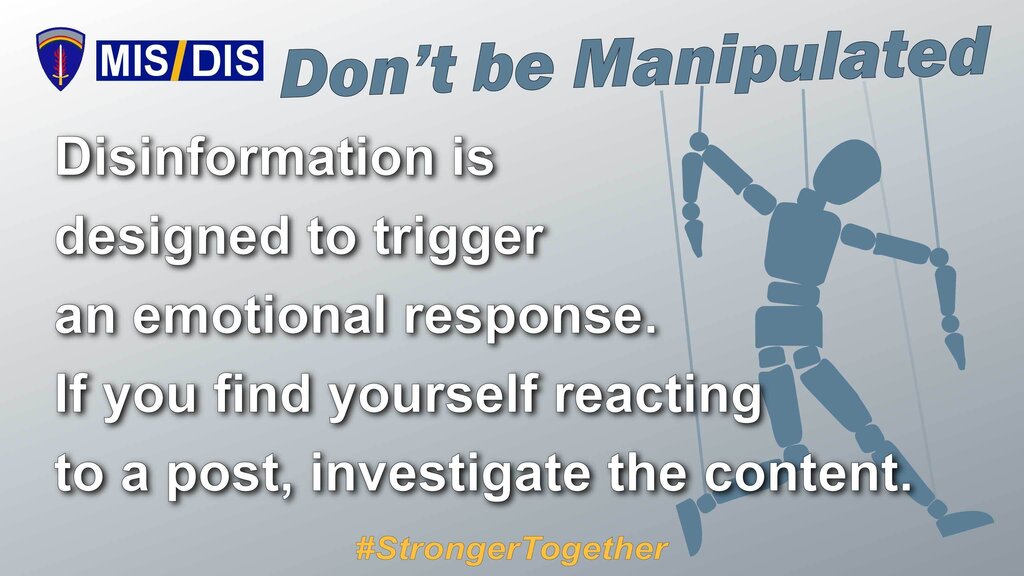
Victims of manipulation often experience heightened anxiety, self-doubt, and confusion. Because tactics like gaslighting make you question your own perceptions, you might start to feel like you can't trust your own mind. This can lead to a feeling of dependency on the manipulator, as they position themselves as the only one who has a clear view of reality.
This dependency is often the manipulator's goal. By undermining your confidence and isolating you, they strengthen their control.
These may serve a range of functions (e.g. increase the partner’s dependency, lower the partner’s self-esteem, increase the partner’s insecurity about the relationship, and produce fear or submission) which may make the partner more susceptible to manipulation attempts...
The long-term effects can include depression, a diminished sense of self-worth, and difficulty trusting others in future relationships. Understanding that these feelings are a direct result of manipulative behaviors—not a reflection of your own shortcomings—is a crucial realization.