Understanding and Rehabilitating Disk Herniations
Spinal Anatomy
The Body's Central Pillar
Your spine, or vertebral column, is the central support structure of your body. It's not one rigid rod, but a stack of individual bones called vertebrae. This segmented design is what allows you to bend, twist, and move freely while still protecting the delicate spinal cord that runs through its center.
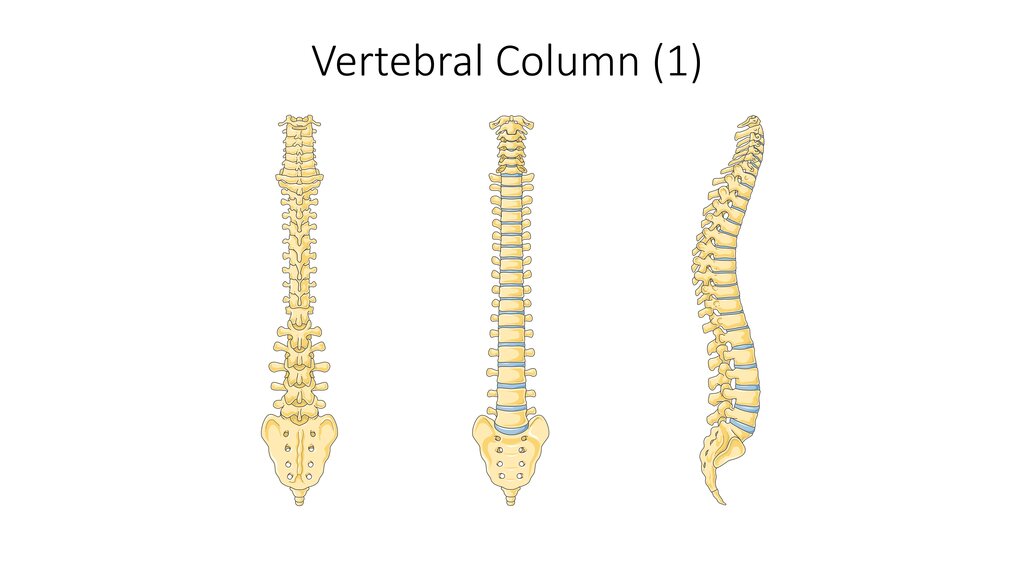
The column is divided into five regions, each with a specific curve and function:
- Cervical (neck): 7 vertebrae
- Thoracic (mid-back): 12 vertebrae
- Lumbar (low back): 5 vertebrae
- Sacrum: 5 fused vertebrae
- Coccyx (tailbone): 4 fused vertebrae
Most of the body's weight and movement stresses are handled by the lumbar and cervical regions, which is why these areas are more prone to strain.
The Spine's Shock Absorbers
The vertebrae aren't stacked directly on top of each other. That would be a very jarring ride. Instead, they are separated by cushions that act as both shock absorbers and pivot points.
In between each vertebra (the name for just one of the vertebrae) are small disks made of cartilage.
These intervertebral discs are essential for spinal health. They absorb the impact from daily activities like walking and running, and they give the spine its flexibility. Each disc is made of two main parts that work together, much like a jelly-filled donut.
The outer ring of the disc is the annulus fibrosus. It's made of tough, crisscrossing layers of fibrocartilage, similar to the construction of a steel-belted tire. This strong wall is designed to contain the soft center and withstand immense pressure.
The soft, gel-like center is called the nucleus pulposus. It's mostly water and acts like a hydraulic ball bearing. When you put pressure on your spine, the nucleus squishes and distributes that force evenly across the disc and to the vertebrae above and below. This prevents any single point from taking too much stress.
The Support System
The vertebrae and discs don't hold the spine together on their own. They are reinforced by a network of ligaments and muscles.
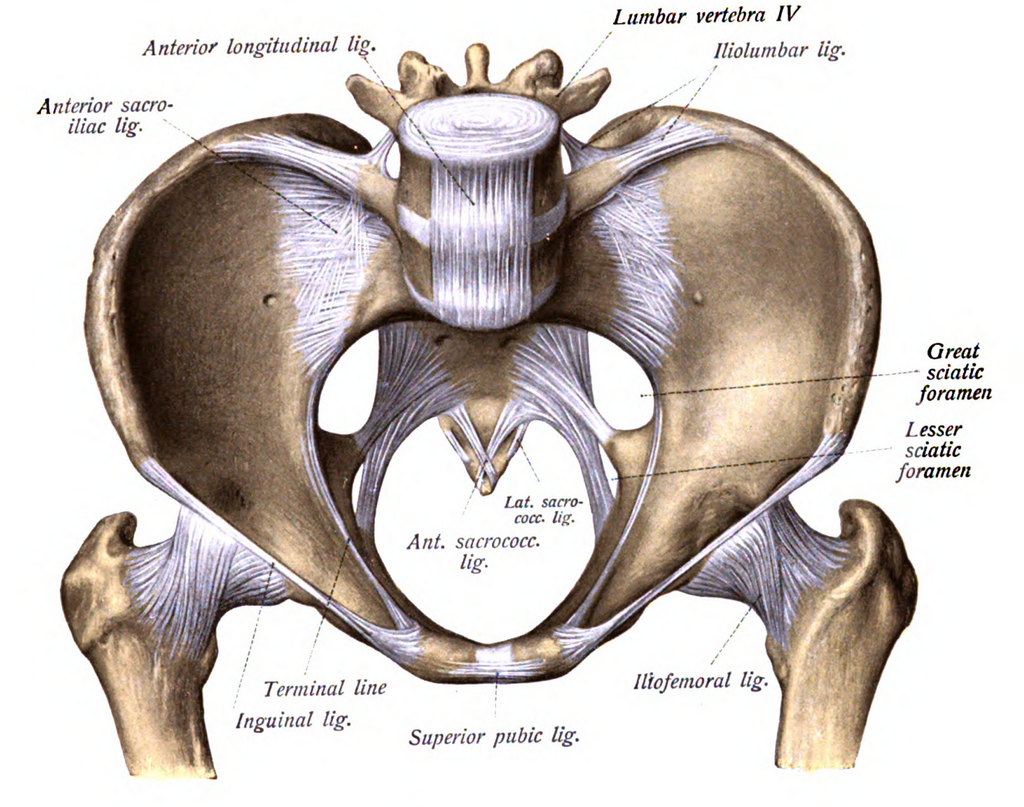
Ligaments are like strong ropes that connect bone to bone. They run along the front, back, and sides of the vertebral column, providing stability and preventing excessive movement that could cause injury. The anterior and posterior longitudinal ligaments are two major examples that run the entire length of the spine.
Muscles provide both stability and movement. Deep muscles attach directly to the vertebrae and help with fine-tuned adjustments and posture. Larger, more superficial muscles in the back and abdomen work together to support the spine during activities like lifting and bending.
Together, these components—bones, discs, ligaments, and muscles—create a structure that is both incredibly strong and remarkably flexible.