Understanding and Receiving the Holy Spirit
Biblical Foundations
The Spirit in the Old Testament
The story of the Holy Spirit begins at the very start of the Bible. In the second verse of Genesis, as the formless earth is covered in darkness, the text says that “the Spirit of God was hovering over the waters.” This is the first glimpse of the Spirit's role as a creative and life-giving force.
Throughout the Old Testament, the Spirit of God isn't a constant presence for everyone. Instead, it comes upon specific people for specific purposes. It empowers leaders, inspires prophets, and equips artisans. For example, the Spirit anoints kings like David, giving him wisdom and strength. It speaks through prophets like Isaiah and Ezekiel, giving them messages for the people of Israel.
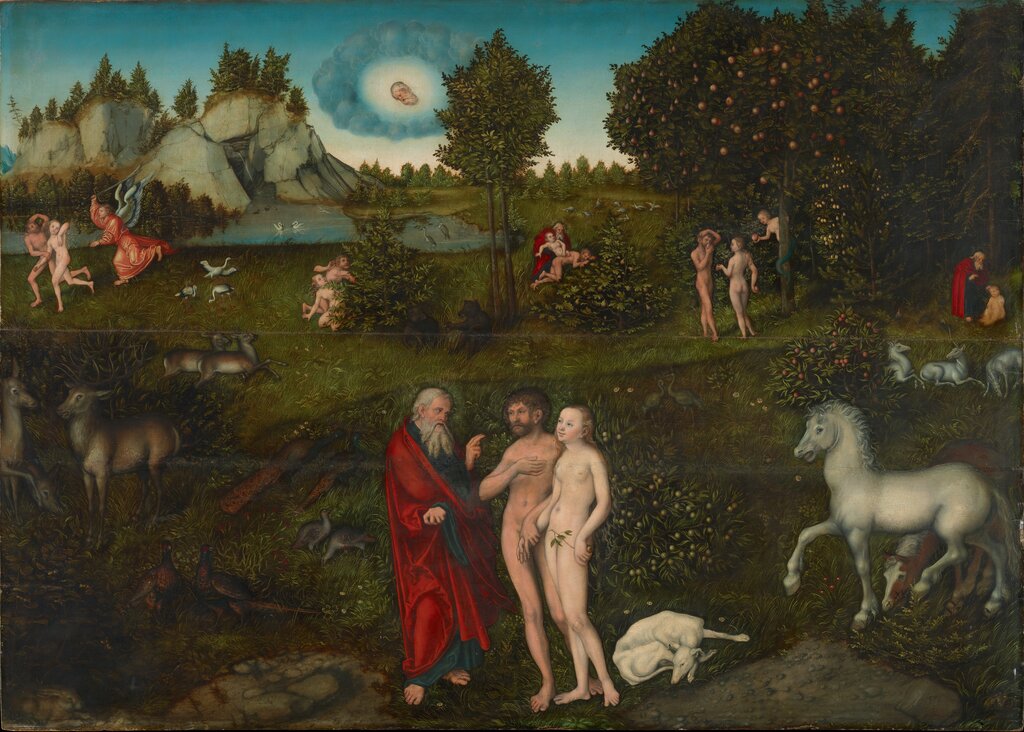
The Spirit was seen as the power and presence of God at work in the world. It was a sign of God's direct involvement in the lives of his people, guiding them and carrying out his divine plan. This presence, however, was often temporary, given to accomplish a certain task.
The Spirit in Jesus' Ministry
When we turn to the New Testament, the role of the Holy Spirit becomes more personal and central. The Spirit is intimately involved in the life of Jesus from the very beginning. The Gospel of Luke tells us that Mary conceived Jesus through the power of the Holy Spirit. This highlights Jesus' divine origin.
The Spirit's presence is most dramatically seen at Jesus' baptism. As Jesus comes up from the water, the heavens open, and the Spirit descends on him like a dove. A voice from heaven declares, “This is my Son, whom I love; with him I am well pleased.” This event marks the official start of Jesus' public ministry, anointed and empowered by the Spirit.
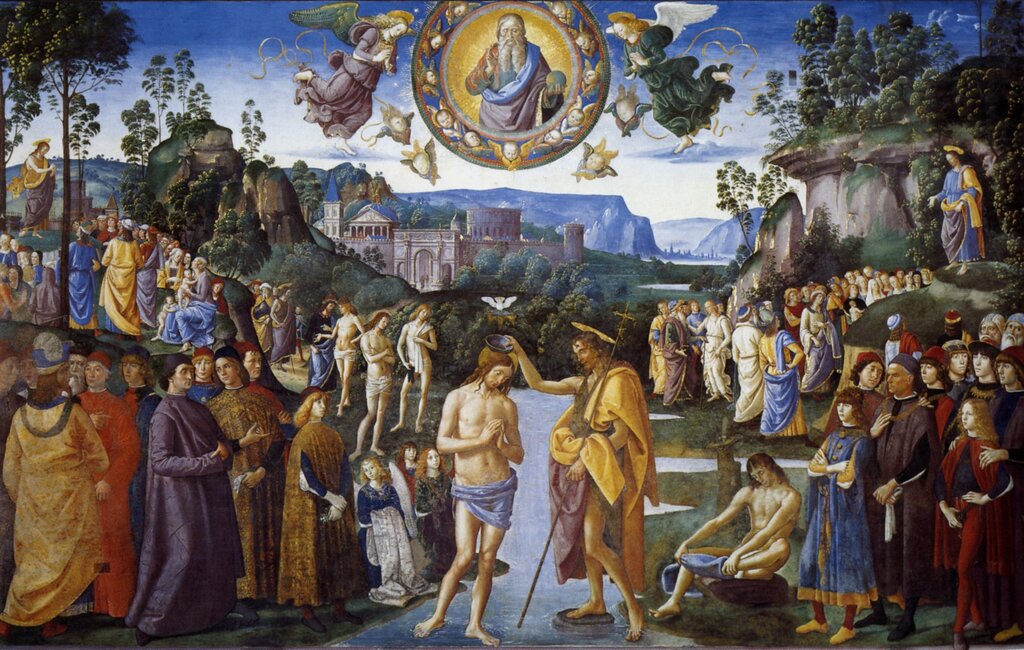
Immediately after his baptism, the Spirit leads Jesus into the wilderness to be tempted. Throughout his ministry of teaching, healing, and casting out demons, Jesus acts in the power of the Spirit. He was, in essence, the ultimate Spirit-filled person.
Before his death, Jesus promised his disciples that he would not leave them alone. He told them he would ask the Father to send an Advocate, the “Spirit of truth,” who would be with them forever. This promise set the stage for a new way for God's people to experience the Holy Spirit.
Pentecost and the Early Church
That promise was fulfilled in a dramatic event called Pentecost, described in the Book of Acts. Ten days after Jesus ascended into heaven, his followers were gathered together in Jerusalem. Suddenly, a sound like a violent wind filled the house, and what looked like tongues of fire rested on each of them. The Bible says they were all “filled with the Holy Spirit.”
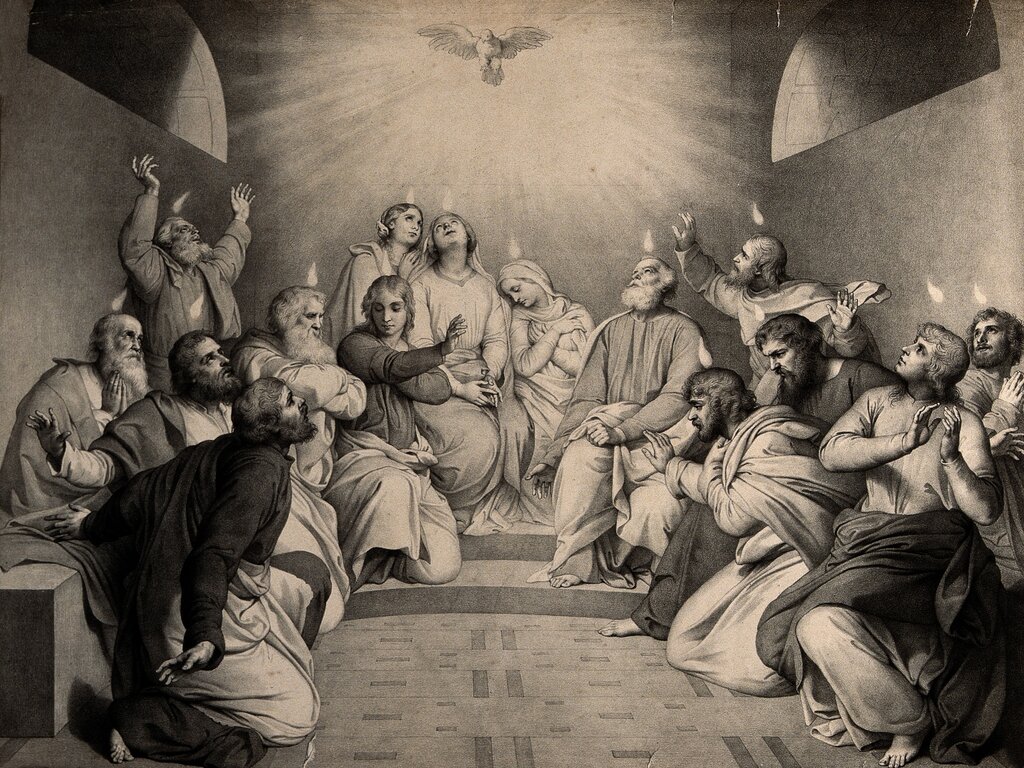
This was a turning point. Unlike in the Old Testament, where the Spirit rested on a select few for a time, the Holy Spirit now came to dwell inside all believers permanently. This event is often called the birth of the Christian church. The immediate result was that the disciples, once fearful and hiding, were emboldened to go out and preach about Jesus.
The rest of the Book of Acts shows the Holy Spirit guiding and empowering the early church. The Spirit leads Philip to an Ethiopian official, tells Peter to visit the non-Jewish centurion Cornelius, and sets apart Paul and Barnabas for missionary work. The Spirit became the active, guiding presence of God among his people, empowering them to spread their faith throughout the world.
Pentecost marked a fundamental shift: the Holy Spirit moved from being with God's people to being in God's people.
Now let's review these foundational concepts.
How was the Holy Spirit's presence primarily described in the Old Testament?
What dramatic event, described in the Book of Acts, marked the promised outpouring of the Holy Spirit on all believers and is often called the birth of the Christian church?