Understanding and Overcoming Addiction
Understanding Addiction
More Than a Habit
Addiction is often misunderstood as a simple lack of willpower, but it's far more complex. It’s a chronic condition that rewires the brain, making it incredibly difficult for someone to stop using a substance or engaging in a behavior, even when they want to and know the consequences are harmful.
addiction
noun
A treatable, chronic medical disease involving complex interactions among brain circuits, genetics, the environment, and an individual’s life experiences. People with addiction use substances or engage in behaviors that become compulsive and often continue despite harmful consequences.
We often think of addiction in terms of substances like alcohol, nicotine, or opioids. This is called substance addiction. But people can also become addicted to behaviors and activities. Behavioral addictions include things like gambling, shopping, or gaming.
While one involves consuming a chemical and the other involves an action, the line blurs inside the brain. Both types of addiction tap into the same powerful neural pathways, leading to similar compulsive patterns.
At its core, addiction is the compulsive pursuit of a reward, despite negative consequences. The person loses control over their actions, which become driven by a powerful craving.
The Hijacked Brain
Your brain has a built-in reward system. Its purpose is to encourage you to repeat behaviors necessary for survival, like eating, drinking water, and connecting with others. When you do something that feels good, your brain releases a chemical called dopamine. Dopamine doesn't just signal pleasure; it tells your brain, "That was important. Do it again."
This system works great for keeping us alive. But addictive substances and behaviors hijack it.
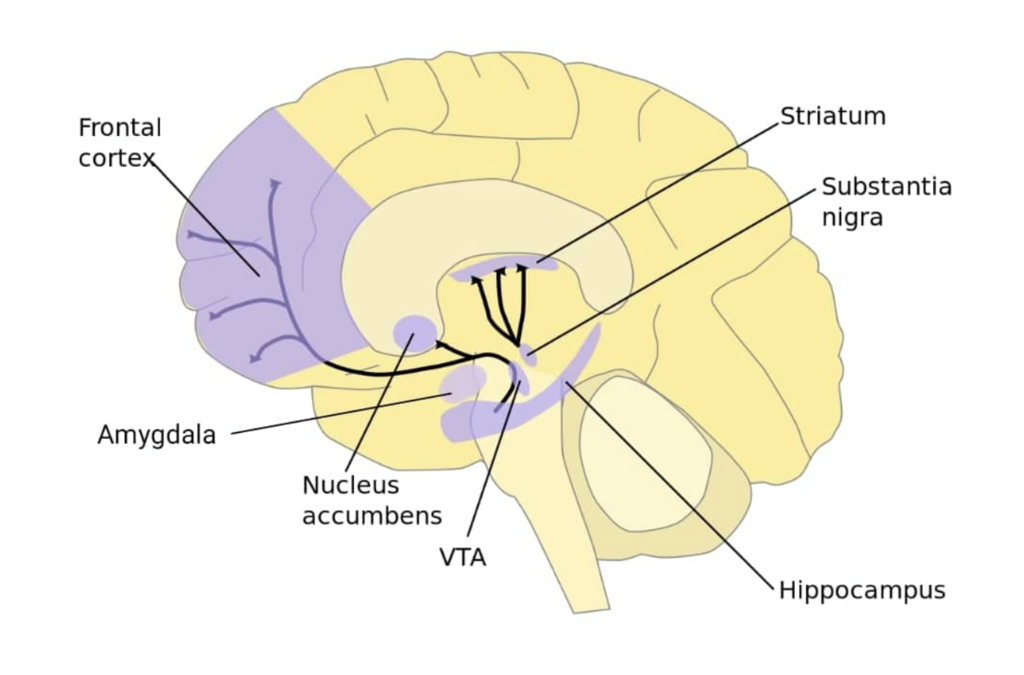
Drugs, for example, can cause a flood of dopamine that's two to ten times greater than the amount released by natural rewards. The brain is overwhelmed by this intense signal. It creates a powerful memory linking the drug with this immense feeling of pleasure.
Over time, the brain tries to adapt to these repeated surges of dopamine. It starts producing less of its own or reduces the number of dopamine receptors. This is called tolerance. The person now needs more of the substance just to feel the same effect, or even just to feel normal.
When the person stops using the substance, their dopamine levels crash. The brain, now dependent on the external source, can't function properly without it. This leads to withdrawal, a set of deeply unpleasant physical and psychological symptoms like anxiety, tremors, and nausea. The intense discomfort of withdrawal often drives the person to use again, creating a vicious cycle.
Consequences and Costs
The impact of addiction ripples outward, affecting every aspect of a person's life. An individual struggling with addiction may face serious health problems, from heart disease and liver damage in the case of substance abuse to severe sleep deprivation from a gaming addiction.
Finances often suffer. The cost of maintaining a habit, combined with potential job loss due to poor performance, can lead to debt and instability. More importantly, relationships with family and friends become strained. Trust erodes, communication breaks down, and the person may become isolated as their world shrinks to focus only on their addiction.
Societally, the costs are enormous. They include healthcare expenses for treating addiction and related diseases, lost productivity in the workforce, and the burden on the criminal justice system.
Let's check your understanding of these core concepts.
What is the most accurate description of addiction?
The brain's reward system is hijacked by addictive substances, which can cause a flood of dopamine that is __________ greater than the amount released by natural rewards.
Ultimately, addiction is a disease of the brain, not a moral failing. Understanding its biological and psychological roots is the first step toward recognizing its complexity and the challenges faced by those it affects.