Understanding and Managing Kidney Stones
Kidney Stone Basics
What Are Kidney Stones?
Your kidneys act as sophisticated filters for your blood, removing waste products and excess water to create urine. Normally, these waste products stay dissolved in the urine and are flushed out of your body. Sometimes, however, certain minerals and salts in the urine crystallize and stick together, forming a solid mass. This hard, pebble-like piece of material is a kidney stone.
These stones can be as small as a grain of sand or, in rare cases, as large as a golf ball. While small stones may pass out of the body unnoticed, larger ones can cause significant problems as they travel through the urinary tract.
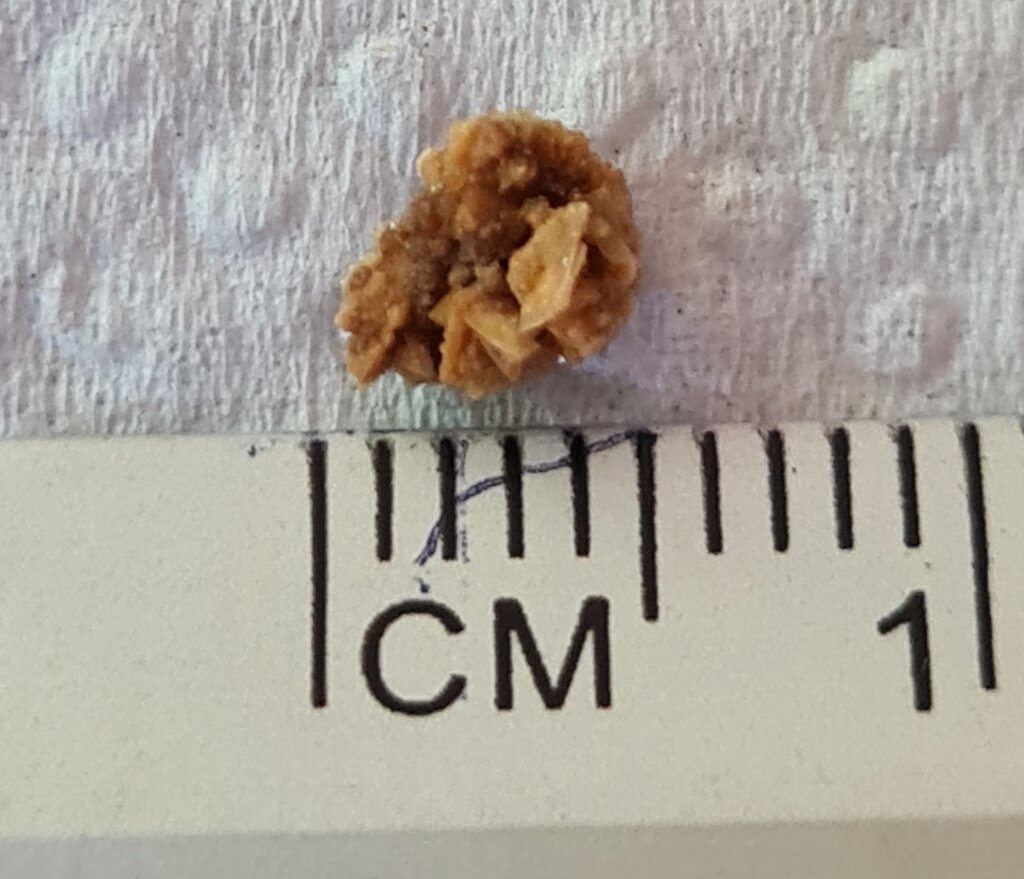
Types of Kidney Stones
Kidney stones aren't all the same. Knowing the type of stone can help understand why it formed. There are five main types.
| Stone Type | Key Characteristics |
|---|---|
| Calcium Oxalate | The most common type. Oxalate is a substance found in many foods, including nuts, chocolate, and certain fruits and vegetables. |
| Calcium Phosphate | This type of stone often forms in combination with calcium oxalate stones. |
| Struvite | These stones are less common and are often associated with chronic urinary tract infections (UTIs). |
| Uric Acid | More common in men than women, these can form when urine is too acidic. A diet rich in red meat can increase the risk. |
| Cystine | These are rare and form in people with a hereditary disorder called cystinuria, which causes the kidneys to excrete too much of a specific amino acid. |
Prevalence and Impact
Kidney stones are a common health issue. It's estimated that about 1 in 10 people will have a kidney stone at some point in their life. While they are often treatable, they can have a significant impact on a person's health and quality of life.
A large kidney stone can block the flow of urine, causing pressure to build up in the kidney. This can lead to severe pain and, if left untreated, can damage the kidney.
Let's review what we've learned about the different kinds of kidney stones.
What are kidney stones primarily composed of?
True or False: Small kidney stones, sometimes as tiny as a grain of sand, always cause severe pain as they pass through the urinary tract.
Understanding the basics of what kidney stones are and the different types that exist is the first step in learning about this common urological condition.