Understanding and Managing High Blood Pressure
Understanding Blood Pressure
What is blood pressure?
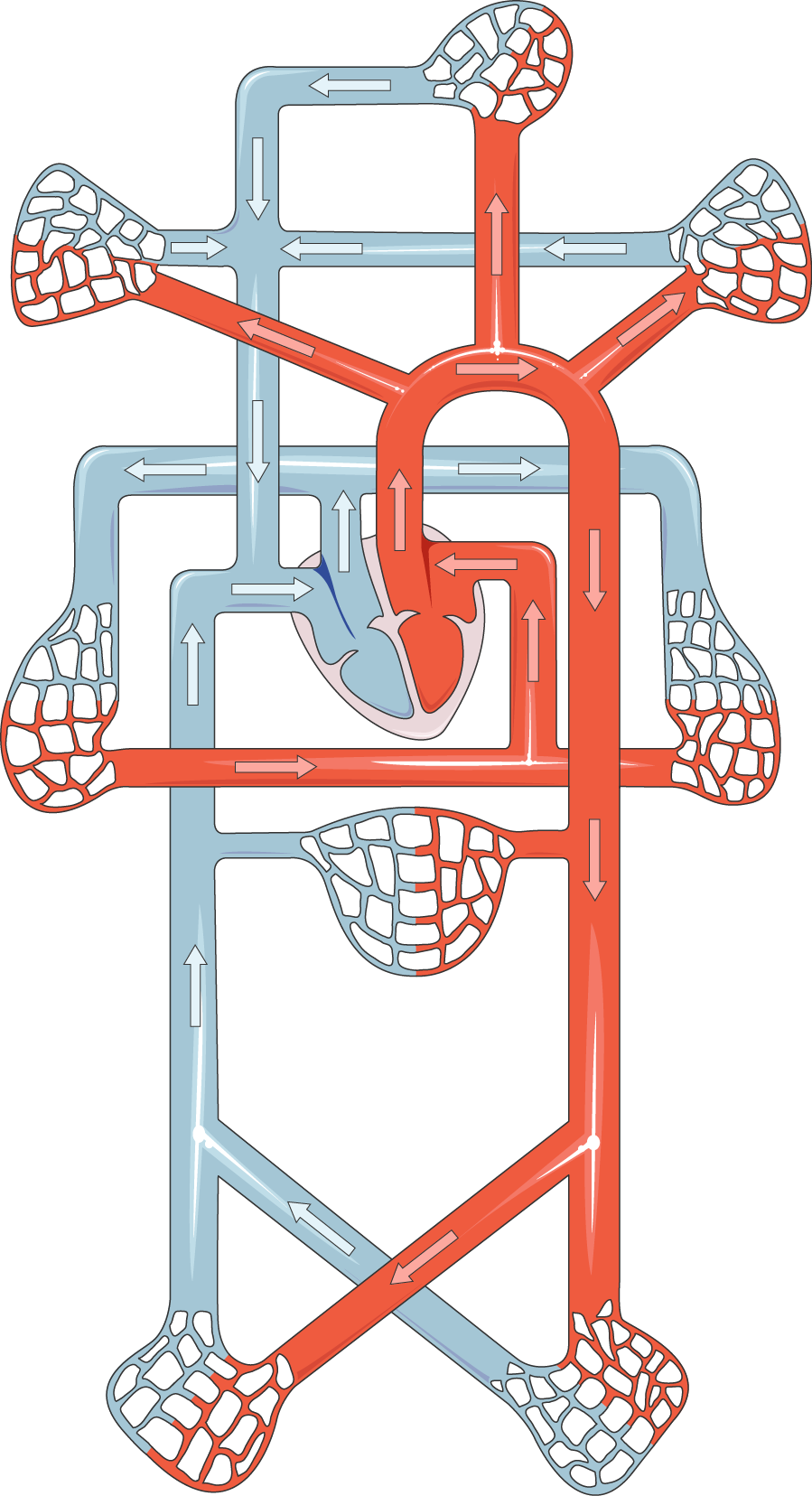
Think of your circulatory system as a complex network of plumbing, with your heart as the pump. Blood is constantly moving through this network, delivering oxygen and nutrients to every part of your body. As it travels, it pushes against the walls of your blood vessels, which are called arteries and veins.
Blood Pressure
noun
The force exerted by circulating blood on the walls of the blood vessels.
This force is what we call blood pressure. It’s a vital sign that helps doctors assess your overall health. Without this pressure, blood wouldn't be able to circulate from your heart to your brain and toes, and back again. It's a fundamental part of how your body functions.
The two numbers
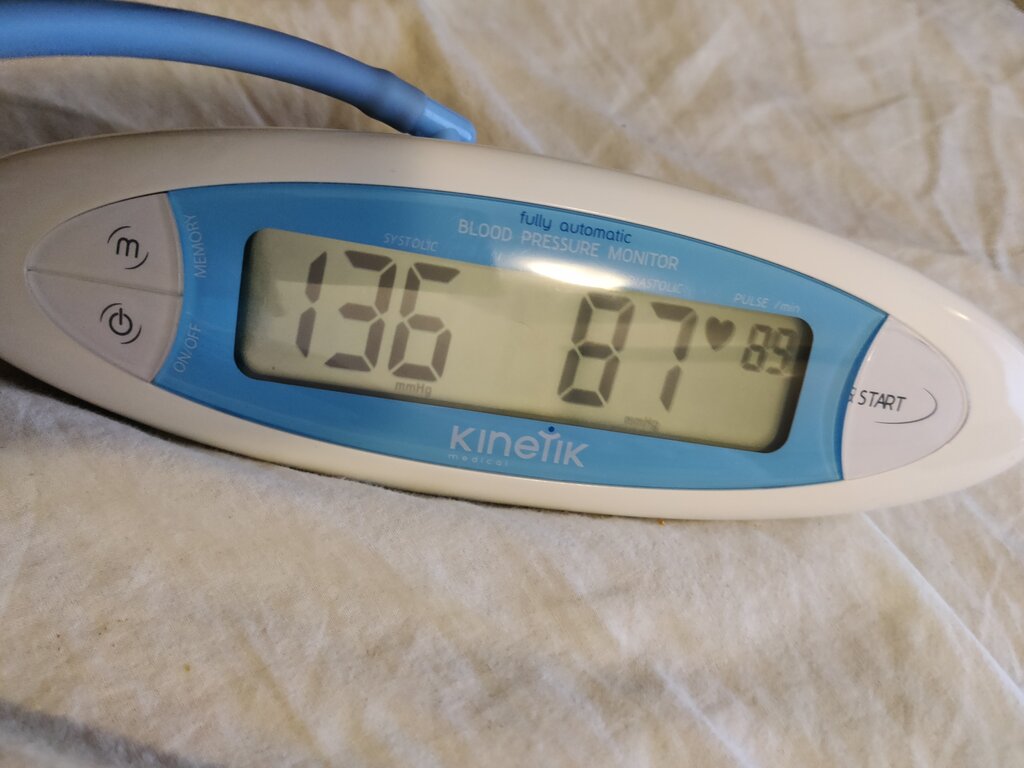
When you get your blood pressure measured, you'll see two numbers, like 120/80. These aren't random; each one tells a specific part of the story about the pressure in your arteries. They represent the two phases of your heart's activity: contracting and relaxing.
The top number is your systolic pressure, and the bottom number is your diastolic pressure.
Systolic pressure is the higher number. It measures the force your blood exerts against your artery walls when your heart beats, or contracts, to pump blood out.
Diastolic pressure is the lower number. It measures the pressure in your arteries between heartbeats, when the heart muscle is resting and refilling with blood.
Both numbers are important. They give a detailed picture of how hard your heart is working and the condition of your blood vessels. Blood pressure is measured in millimeters of mercury, abbreviated as .
What is considered normal?
Knowing your numbers is the first step, but you also need to know what they mean. Medical guidelines provide ranges to help you and your doctor understand if your blood pressure is in a healthy zone.
A blood pressure reading is considered normal when it’s below 120/80 mm Hg.
Here's a quick breakdown of adult blood pressure categories:
| Category | Systolic (top number) | Diastolic (bottom number) | |
|---|---|---|---|
| Normal | less than 120 | and | less than 80 |
| Elevated | 120-129 | and | less than 80 |
| High Blood Pressure (Hypertension) Stage 1 | 130-139 | or | 80-89 |
| High Blood Pressure (Hypertension) Stage 2 | 140 or higher | or | 90 or higher |
It's important to note that a single high reading isn't necessarily a cause for alarm. Blood pressure can fluctuate throughout the day based on activity, stress, or even what you just ate. A diagnosis is usually based on an average of readings taken over time.
Why it matters
Maintaining a healthy blood pressure is crucial for your long-term health. Think of it like the air pressure in your car's tires. If it's too high or too low, it causes wear and tear and can lead to problems down the road.
When blood pressure is consistently high, it's called hypertension. This condition forces your heart to work harder than normal to pump blood. Over time, this extra strain can damage your arteries and vital organs, including your heart, brain, and kidneys. Because it often has no obvious symptoms, it's sometimes called the "silent killer."
Regularly monitoring your blood pressure is one of the simplest and most effective ways to take charge of your cardiovascular health.
Let's test what you've learned about the basics of blood pressure.
What does the systolic blood pressure number represent?
A blood pressure reading of 135/85 mmHg falls into which category for adults?
Keeping an eye on your blood pressure is a key part of staying healthy. By understanding what the numbers mean, you're better equipped to have informed conversations with your doctor and make healthy lifestyle choices.