Understanding and Managing Fatigue
Introduction to Fatigue
More Than Just Tired
Everyone feels tired sometimes. A long day at work, a tough workout, or a poor night's sleep can leave you feeling drained. But there's a difference between this normal tiredness and a deeper, more persistent state called fatigue.
Fatigue
noun
A state of extreme tiredness or exhaustion, often not relieved by rest, that can be physical, mental, or both.
Think of it like this: tiredness is a simple debt that a good night's sleep can repay. You wake up feeling refreshed and ready to go. Fatigue, on the other hand, is like a deep-seated debt that sleep doesn't seem to cancel. You can sleep for eight, nine, even ten hours and still wake up feeling as if you haven't rested at all.
Tiredness is temporary and has a clear cause. Fatigue is a persistent feeling of exhaustion that isn't fixed with rest.
A Widespread Problem
Fatigue is one of the most common reasons people visit their doctors. While occasional tiredness is normal, persistent fatigue affects a significant portion of the population. Studies suggest that at any given time, about 1 in 5 people feel unusually tired, and 1 in 10 have prolonged fatigue.
It's not a standalone disease, but rather a symptom. It can be a sign of an underlying medical condition, a side effect of medication, or the result of lifestyle factors. The causes are often complex and interconnected, involving physical health, mood, sleep quality, and even social factors.
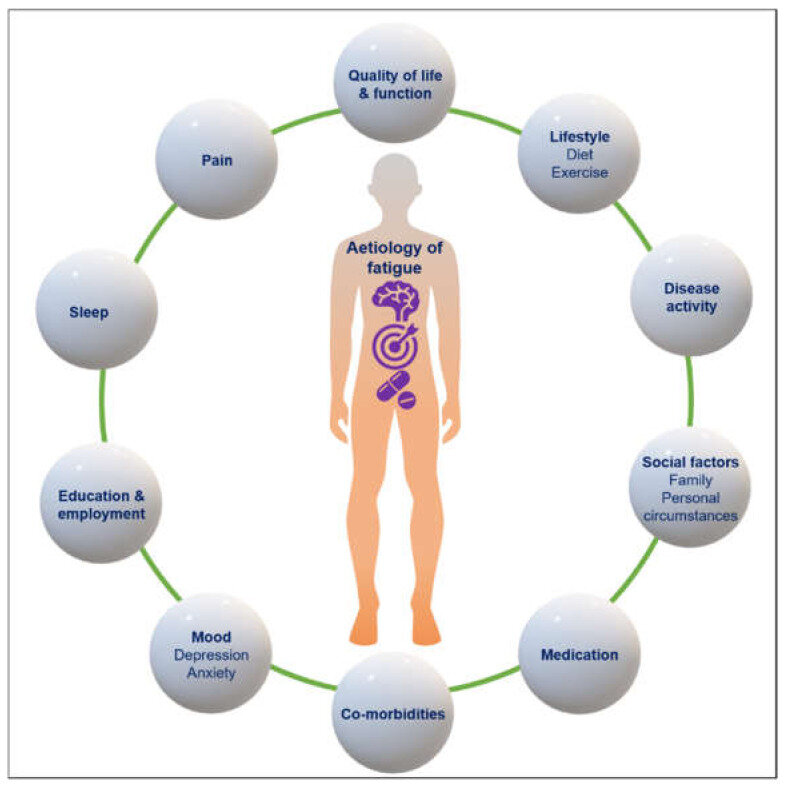
The Impact on Daily Life
Living with fatigue can profoundly affect your quality of life. It’s more than just needing a nap; it's an exhaustion that can interfere with work, family life, and social activities.
Simple tasks can feel monumental. You might struggle with concentration, making it hard to focus at work or school. You could feel irritable or emotionally drained, which can strain relationships. The physical exhaustion can limit your ability to exercise or even perform daily chores. Essentially, fatigue can make it feel like you're trying to run through water every single day.
| Aspect | Normal Tiredness | Fatigue |
|---|---|---|
| Feeling After Sleep | Usually refreshed, energetic | Still exhausted, unrefreshed |
| Onset | Gradual, after exertion | Can be sudden or gradual |
| Duration | Short-term, resolves with rest | Persistent, lasts for weeks or more |
| Impact on Motivation | Mild, can push through | Severe, lack of interest in activities |
| Cognitive Effect | Minor difficulty concentrating | Significant 'brain fog', memory issues |
Understanding the distinction between tiredness and fatigue is the first step. Recognizing its potential impact helps in seeing it not as a personal failing, but as a genuine health issue that needs to be addressed.
What is the key difference between normal tiredness and fatigue, according to the text?
According to the text, fatigue is best described as a...
Now that we've covered the basics, you have a foundation for understanding what fatigue is and how it differs from the everyday feeling of being tired.