Understanding and Managing COPD
Understanding COPD
What is COPD?
Chronic Obstructive Pulmonary Disease, or COPD, is a long-term lung disease that makes it hard to breathe. It's not like a cold that comes and goes; it's a progressive condition, meaning it typically gets worse over time. Imagine trying to breathe through a narrow straw. That's a glimpse into what living with COPD can feel like.
The disease is a major global health issue, affecting millions of people. It's an umbrella term for a group of lung conditions that cause breathing difficulties, primarily by blocking airflow from the lungs.
The Main Causes
Our lungs are constantly exposed to the air we breathe, and they're built to handle a lot. However, long-term exposure to certain irritants can cause serious damage. The single biggest cause of COPD is tobacco smoking. The vast majority of people with COPD are current or former smokers.
Secondhand smoke is also a significant risk factor. Other irritants that can lead to COPD, especially with prolonged exposure in the workplace or home, include:
- Air pollution
- Chemical fumes and vapors
- Dust from grains, cotton, wood, or mining
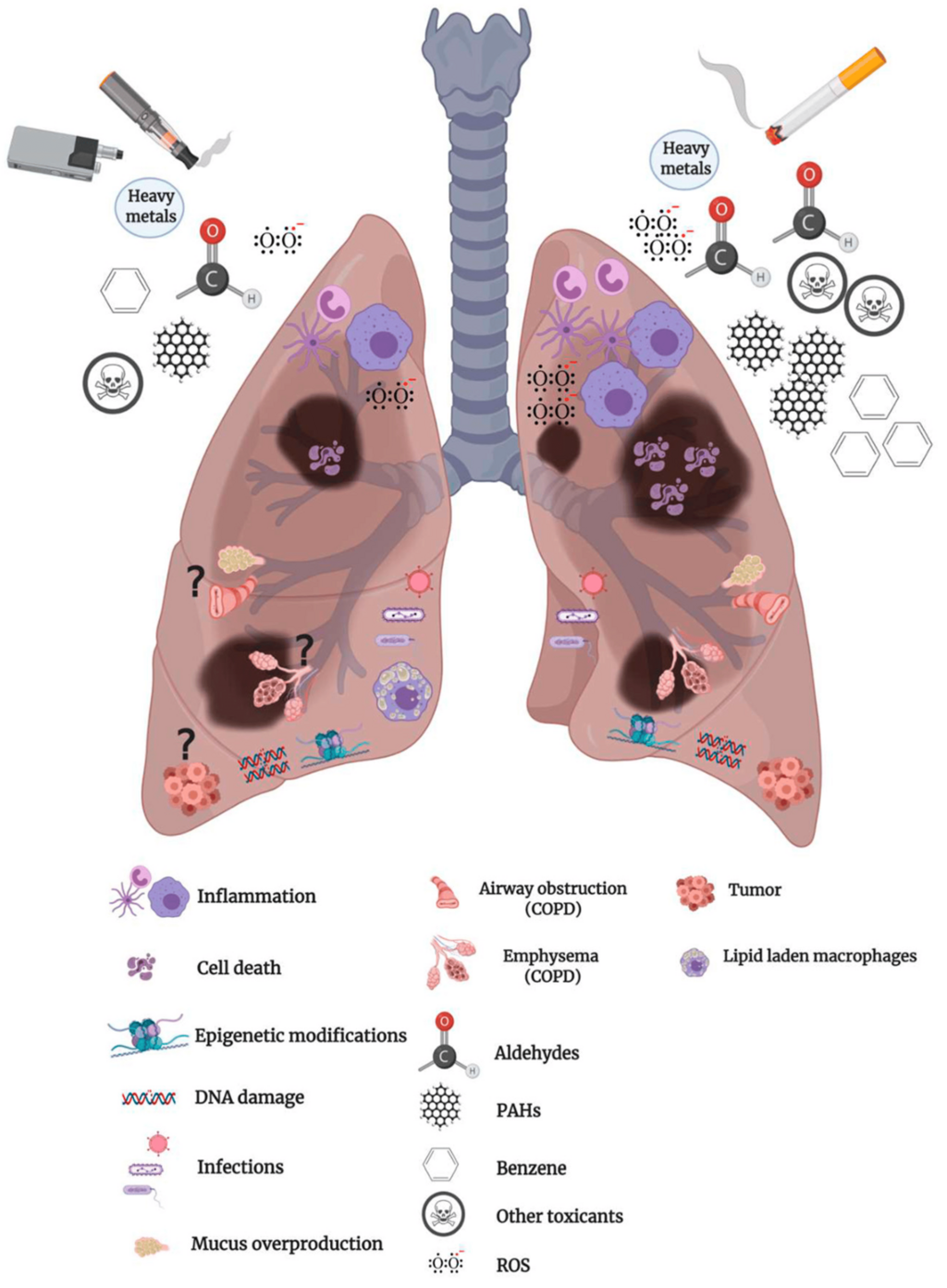
In rare cases, a genetic condition called alpha-1-antitrypsin deficiency can also cause COPD. This condition makes the lungs more vulnerable to damage.
Recognizing the Symptoms
COPD symptoms often develop slowly, so people may not realize they have the condition until the lung damage is significant. At first, symptoms might be mild and easily dismissed as a normal part of aging or a "smoker's cough."
Common signs include:
- Chronic cough: A cough that lingers for a long time, often producing mucus (sputum).
- Shortness of breath (dyspnea): Especially during physical activities.
- Wheezing: A whistling or squeaky sound when you breathe.
- Chest tightness: A feeling of pressure in the chest.
- Frequent respiratory infections: Like colds or the flu.
As the disease progresses, even simple daily activities like walking up stairs, carrying groceries, or getting dressed can become exhausting. This can have a huge impact on a person's independence and quality of life.
Shortness of breath during everyday tasks is a key sign that it's time to see a doctor. It's not a normal part of getting older.
Two Forms of One Disease
COPD usually involves two main conditions that damage the lungs in different ways. Most people with COPD have a combination of both.
Chronic Bronchitis
noun
Inflammation and irritation of the bronchial tubes, the airways that carry air to and from the air sacs in your lungs. This leads to a persistent cough and excessive mucus production.
In chronic bronchitis, the lining of the airways is constantly inflamed. This causes the lining to swell and produce more mucus than usual, which clogs the airways and makes it difficult to breathe.
Emphysema
noun
A condition where the alveoli (air sacs) at the end of the smallest air passages of the lungs are damaged and lose their elastic quality.
With emphysema, the walls between many of the air sacs are destroyed. This creates fewer, larger air sacs instead of many tiny ones. The damage reduces the surface area of the lungs and the amount of oxygen that can reach your bloodstream. The damaged air sacs also don't work properly to push all the old air out during exhalation.
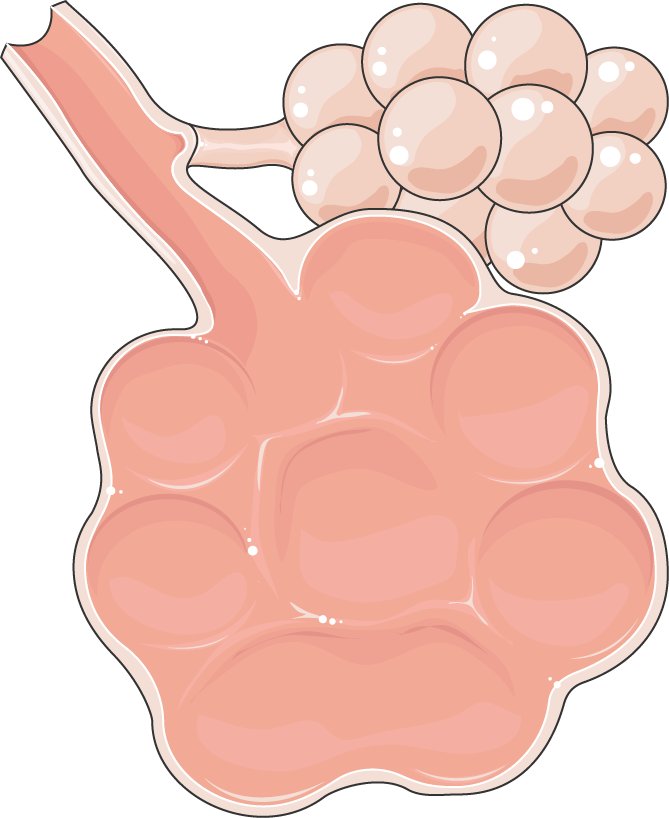
Both chronic bronchitis and emphysema lead to less air flowing in and out of the lungs, causing shortness of breath and the other symptoms of COPD.
Think you've got it? Let's check your understanding.
What is the single biggest cause of Chronic Obstructive Pulmonary Disease (COPD)?
In emphysema, one of the main conditions of COPD, what specific damage occurs in the lungs?
Understanding what COPD is, what causes it, and how to recognize its symptoms is the first step in managing the disease and protecting your lung health.