Understanding and Managing Bunions
Foot Anatomy
The Foot's Foundation
Your foot is an intricate structure, containing 26 bones, 33 joints, and more than 100 muscles, ligaments, and tendons. To understand how it works, we can group the bones into three main sections: the tarsals, metatarsals, and phalanges.
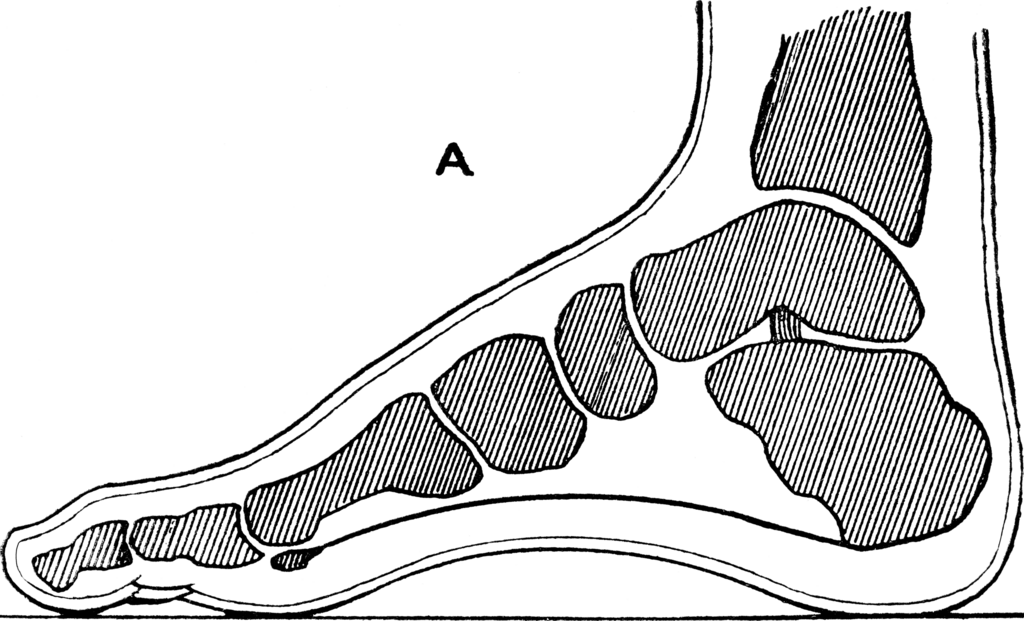
The tarsals are a cluster of seven bones that make up your ankle and the back part of your foot, including the heel. The metatarsals are the five long bones that connect your ankle to your toes, forming the arch and the ball of your foot. Finally, the phalanges are the 14 small bones that make up your toes. The big toe has two phalanges, while the other four toes each have three.
| Group | Location | Number of Bones |
|---|---|---|
| Tarsals | Ankle and Heel | 7 |
| Metatarsals | Midfoot | 5 |
| Phalanges | Toes | 14 |
The Big Toe's Pivot Point
The big toe, also known as the hallux, plays a crucial role in balance and movement. It carries a significant portion of your body weight with every step you take. The joint at the base of the big toe is where a lot of the action happens. This is the first metatarsophalangeal joint, or MTP joint for short.
Metatarsophalangeal joint
noun
The joint connecting a metatarsal bone in the foot to a phalanx bone in the toe.
The first MTP joint connects the first long bone of your foot (the first metatarsal) to the first bone of your big toe (the proximal phalanx). Think of it as the main hinge for your big toe. It's designed to bend with every step, allowing you to push off the ground and propel yourself forward. A healthy MTP joint allows the big toe to move up and down freely, providing stability and power to your gait.
A System of Support
Bones and joints can't do their job alone. They rely on a network of soft tissues to hold them together and create movement. Two key players are ligaments and tendons.
Ligaments are tough, fibrous bands that connect bones to other bones. They act like strong ropes that stabilize joints, preventing them from moving too far in the wrong direction. Around the first MTP joint, ligaments form a capsule that holds the bones in their proper alignment.
Tendons are similar cords of tissue, but they connect muscles to bones. When a muscle contracts, it pulls on the tendon, which in turn moves the bone. Several tendons attach to the big toe, allowing you to flex it, extend it, and move it from side to side.
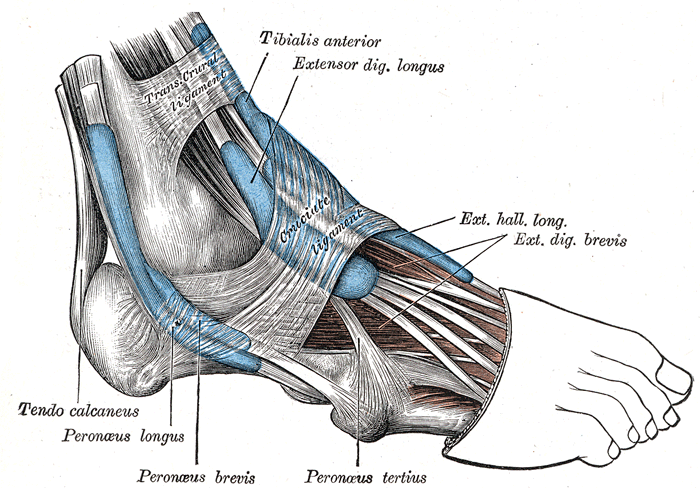
This balanced system of ligaments and tendons keeps the big toe straight and ensures the MTP joint functions smoothly. The ligaments provide passive stability, while the tendons create active, controlled movement. Together, they distribute pressure evenly across the joint during activities like walking, running, and jumping.
Now that you have a clearer picture of the foot's normal anatomy, you're ready to test your knowledge.