Understanding and Healing LPR
Understanding LPR
The Silent Reflux
You might have a persistent cough, a constant need to clear your throat, or a voice that sounds hoarse for no apparent reason. These could be signs of Laryngopharyngeal Reflux, or LPR. Unlike the classic heartburn associated with acid reflux, LPR's symptoms are centered in the throat and voice box. Because it often lacks that tell-tale chest burn, it's frequently called "silent reflux."
LPR happens when stomach contents, including acid and digestive enzymes like pepsin, travel all the way up the esophagus and spill into the back of the throat, the nasal passages, or even the lungs. This isn't just a minor irritation; the tissues in these areas are far more delicate than the stomach lining and can be easily damaged.
Common symptoms of LPR include a chronic cough, hoarseness, difficulty swallowing, excessive throat clearing, and the feeling of a lump in the throat (known as globus sensation).
Why It Happens
Your digestive system has two important gatekeepers to prevent this backward flow. The lower esophageal sphincter (LES) is a ring of muscle at the bottom of your esophagus that opens to let food into your stomach and closes to keep it there. Further up is the upper esophageal sphincter (UES), which protects your throat and airway from any refluxed material.
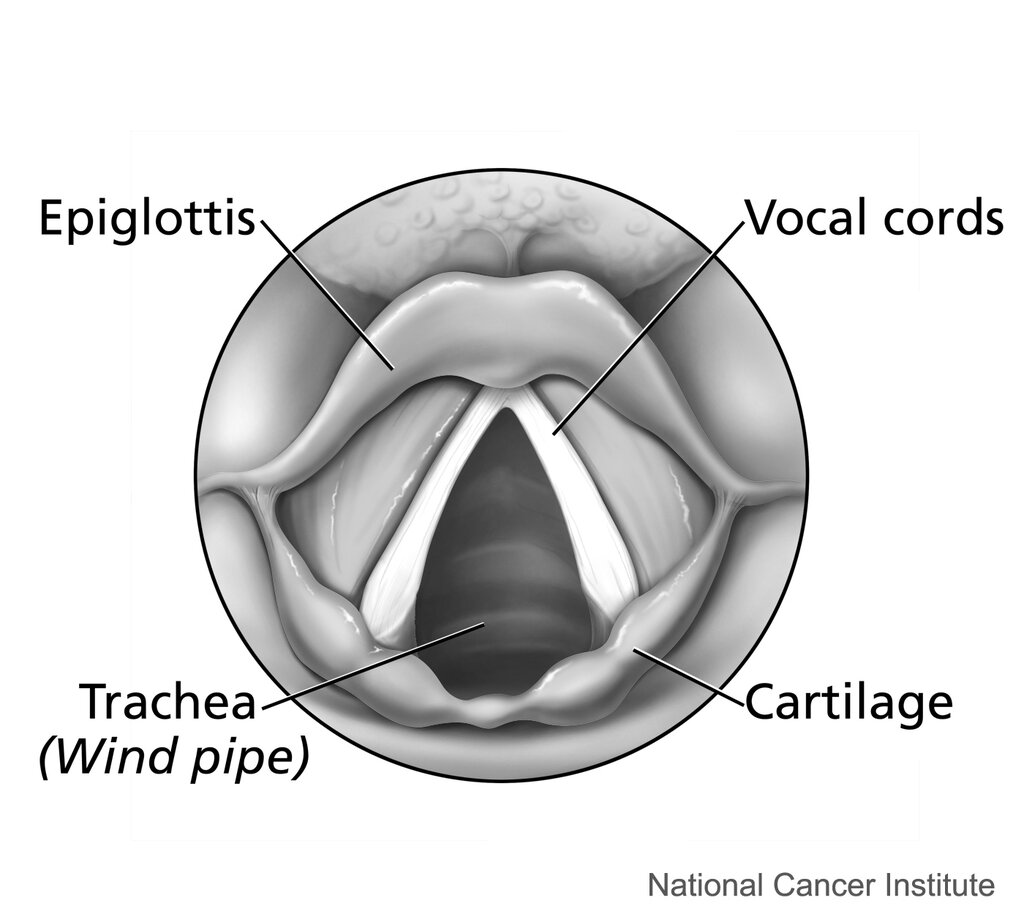
In LPR, one or both of these sphincters may not be working correctly. They might relax too often or not close tightly enough. This allows stomach contents to escape upwards, past the LES and through the UES, reaching the sensitive tissues of the larynx (voice box) and pharynx (throat).
Because the tissues of the throat and voice box have no natural defenses against stomach acid, even small, infrequent amounts of reflux can cause significant inflammation and irritation. This leads directly to the symptoms of LPR, such as a sore throat and hoarseness when the vocal cords become swollen.
LPR vs. GERD
While both LPR and Gastroesophageal Reflux Disease (GERD) involve stomach acid backing up into the esophagus, they are considered different conditions. The main distinction lies in where the symptoms are felt and what is primarily affected.
GERD is characterized by damage to the lower esophagus caused by frequent acid exposure. Its classic symptom is heartburn, a burning pain in the chest. People with GERD often experience symptoms while lying down.
In contrast, LPR affects the upper throat. People with LPR often don't experience heartburn because the acid passes through the esophagus so quickly it doesn't have time to cause irritation there. LPR symptoms can occur during the day while upright.
| Feature | Laryngopharyngeal Reflux (LPR) | Gastroesophageal Reflux Disease (GERD) |
|---|---|---|
| Primary Symptoms | Hoarseness, chronic cough, throat clearing | Heartburn, chest pain, regurgitation |
| Location Affected | Larynx and pharynx (throat) | Lower esophagus |
| Heartburn Present | Often absent ("silent") | Usually present and prominent |
| When It Occurs | Often while upright during the day | Often while lying down at night |
Understanding that throat-related issues can stem from a problem in the stomach is the first step. LPR is a distinct condition where the gatekeepers of the esophagus fail to protect the delicate structures of the voice box and throat from stomach acid.