Understanding AI Responses
Introduction to AI Language Models
From Rules to Recognition
Early attempts to make computers understand language were a lot like teaching someone a grammar book. Programmers wrote complex sets of rules to break down sentences. For example, a rule might say "a sentence has a noun and a verb." This approach, known as Natural Language Processing (NLP), worked for simple, predictable text but quickly fell apart with the messy reality of human language. Slang, metaphors, and typos would easily confuse these systems.
The game changed when developers flipped the strategy. Instead of feeding computers rules, they started feeding them massive amounts of text—books, articles, and websites. The goal was no longer to follow explicit instructions, but to recognize patterns. This statistical approach was a major leap, allowing computers to learn the probability that one word would follow another. It was the first step toward machines learning language the way humans do: through exposure and experience.
The Transformer Revolution
Modern AI language models, like GPT-4, are powered by a technique called deep learning. This involves using artificial neural networks, which are computing systems loosely inspired by the human brain. These networks learn to identify patterns in data by processing it through many layers of interconnected nodes.
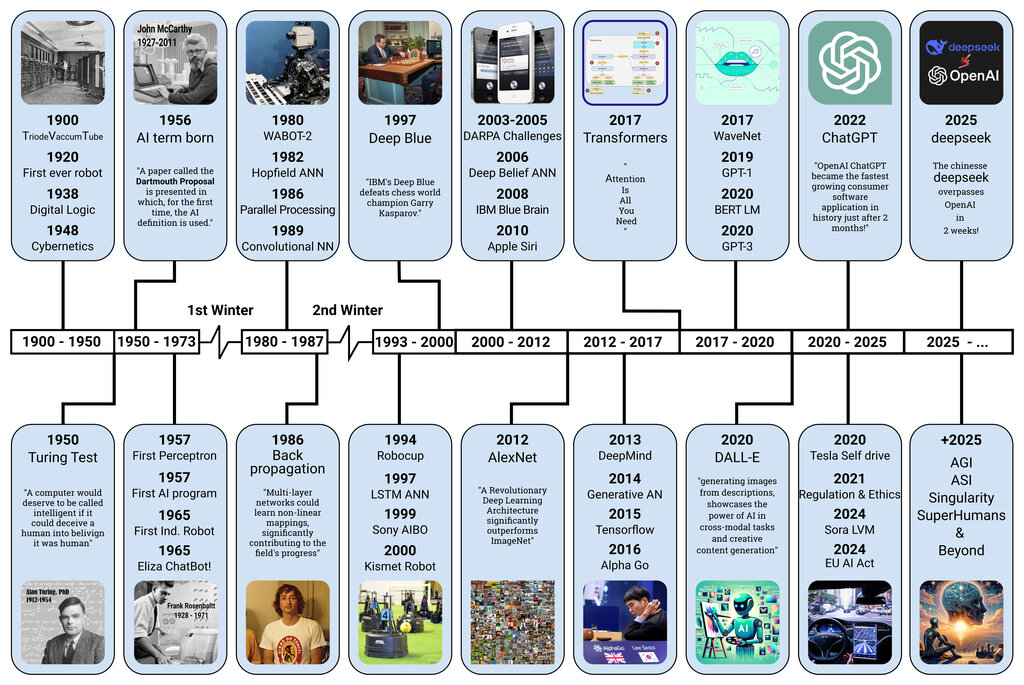
A key breakthrough came in 2017 with the invention of the transformer architecture. Before transformers, models processed text one word at a time, like reading a sentence from left to right. This made it hard to grasp the context of longer passages. A word at the beginning of a paragraph could be crucial for understanding a word at the end, but the model might have already "forgotten" it.
Transformers changed everything by processing every word in a sentence at the same time. Using a mechanism called "attention," the model can weigh the importance of all words in relation to each other, no matter where they are in the text. This allows it to capture context and nuance much more effectively.
Training the Titans
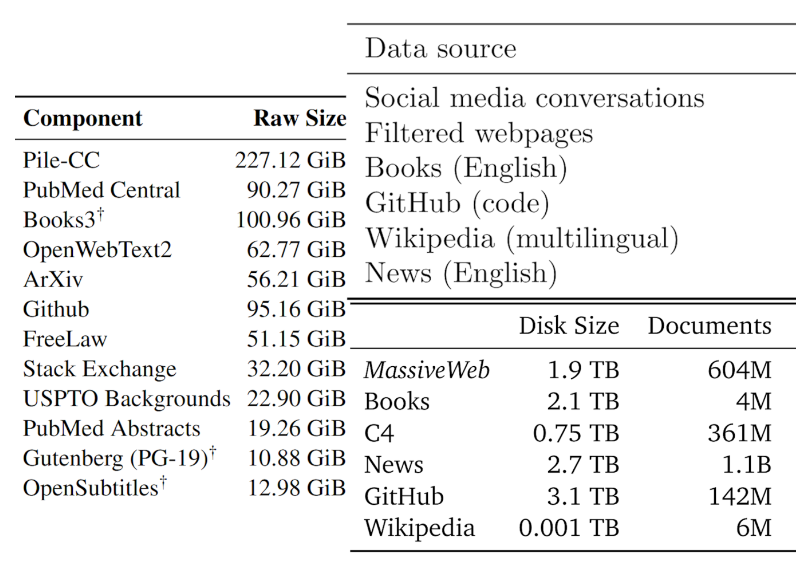
To build a powerful language model, you need two key ingredients: a sophisticated architecture and an enormous amount of data. The deep learning models behind AI like ChatGPT are trained on vast portions of the public internet, digital books, and other text sources. We're talking about hundreds of billions of words.
The training process is conceptually simple but computationally immense. The model is given a piece of text and its only job is to predict the next word. It makes a guess, compares its guess to the actual next word, and adjusts its internal connections to be slightly more accurate next time. This process is repeated billions upon billions of times. Over time, through sheer trial and error, the model develops a complex, nuanced understanding of grammar, facts, reasoning abilities, and even styles of writing.
What Are They Used For?
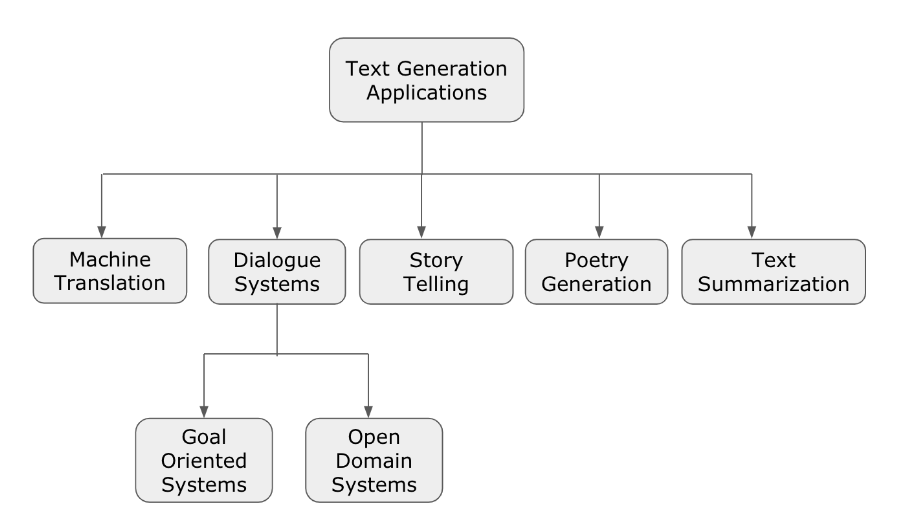
This ability to understand and generate human-like text has unlocked countless applications across many industries. Language models are the engines behind modern chatbots and virtual assistants, making interactions feel more natural and helpful. They power tools that can summarize long documents, translate languages with stunning accuracy, and help developers write code more efficiently.
In creative fields, writers use them to brainstorm ideas, while marketers use them to draft copy. In science and medicine, they help researchers sift through dense academic papers to find relevant information. As the technology continues to advance, language models are becoming a fundamental tool for augmenting human intelligence and creativity.
With a basic grasp of how these models evolved and are built, you can better appreciate the technology that powers so much of our digital world.