Understanding AI Models
Introduction to Large Language Models
What Are Large Language Models?
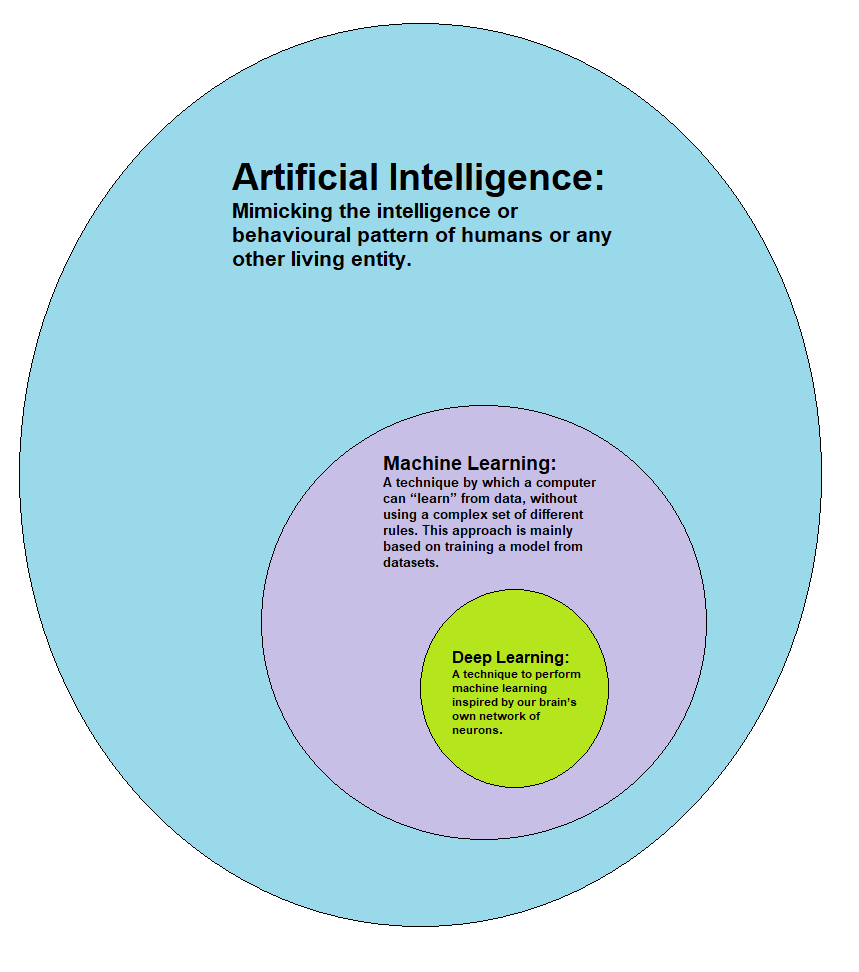
Large Language Models, or LLMs, are a type of artificial intelligence designed to understand and generate human language. Think of them as incredibly advanced predictive text systems. They're trained on vast amounts of text from the internet, books, and other sources, allowing them to learn the patterns, grammar, facts, and even reasoning styles embedded in human writing.
At their core, LLMs are neural networks with billions of parameters, which are like tiny knobs that get tuned during training to capture the nuances of language.
The Transformer Architecture
The engine that powers most modern LLMs is an architecture called the Transformer, introduced in 2017. Before the Transformer, models processed text sequentially, word by word. This made it difficult to keep track of context in long sentences.
The Transformer processes all the words in a sentence at once. Its key innovation is the attention mechanism. This allows the model to weigh the importance of different words when interpreting any single word. For example, in the sentence "The robot picked up the heavy wrench because it was useful," the attention mechanism helps the model understand that "it" refers to the "wrench," not the "robot."
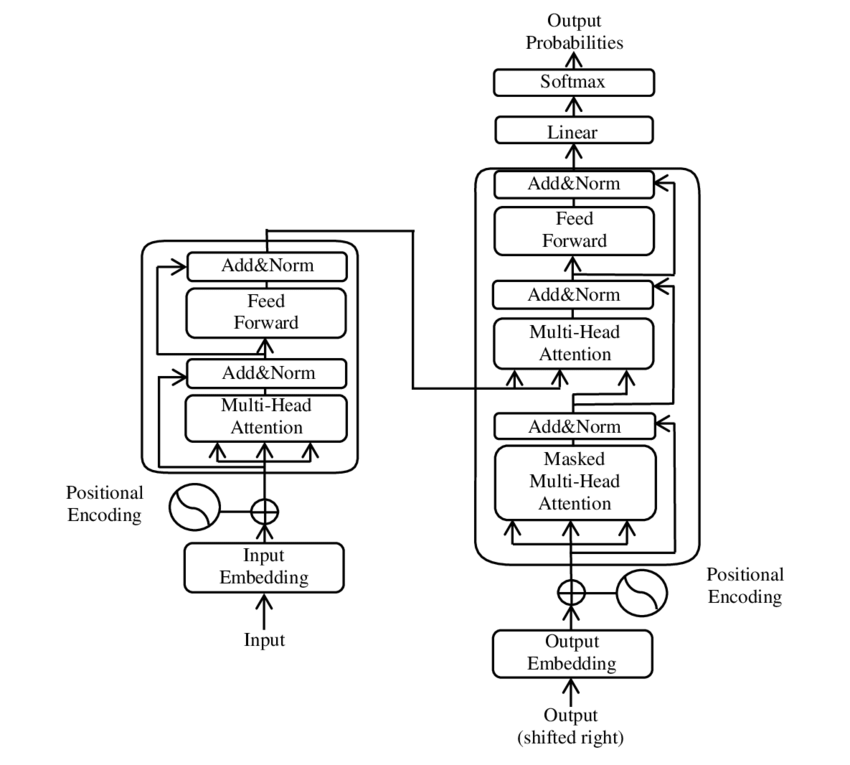
This ability to see relationships between words, no matter how far apart they are in the text, gives the Transformer a deep understanding of context. This is what allows LLMs to generate coherent and relevant paragraphs, not just single sentences.
How LLMs Learn
LLMs learn through a process called pre-training. During this phase, the model is fed a massive dataset of text and given a simple objective: predict the next word in a sequence. For instance, given the text "The cat sat on the ___," the model's job is to predict "mat."
By doing this billions of times on text covering countless topics, the model begins to learn grammar, facts, and the statistical relationships between words. It's not memorizing sentences; it's learning the underlying structure of language. This unsupervised learning approach is powerful because it doesn't require humans to manually label data. The data itself provides the learning signals.
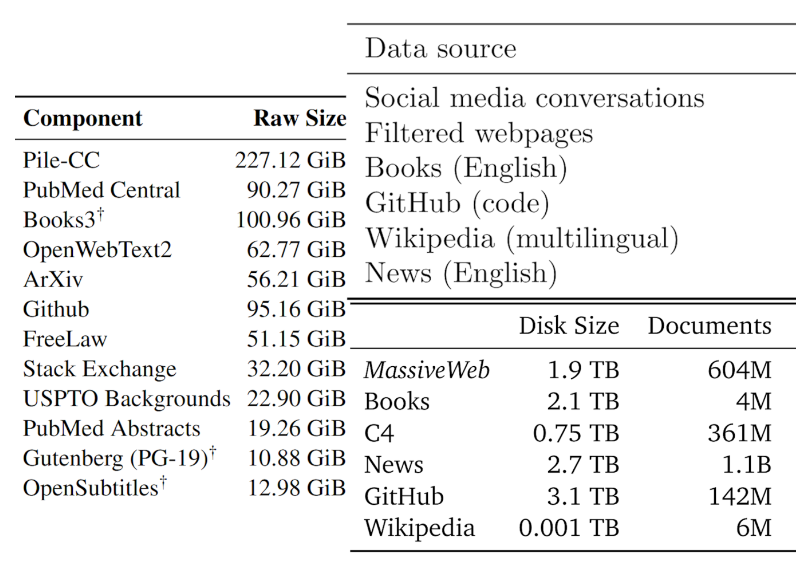
This pre-training phase is incredibly resource-intensive, requiring immense computational power and time, but it's what gives the model its broad, general-purpose knowledge.
What Can LLMs Do?
Once pre-trained, an LLM has a solid foundation of language understanding. This allows it to perform a wide variety of Natural Language Processing (NLP) tasks, often with just a simple instruction, or "prompt."
| Application | Description | Example |
|---|---|---|
| Text Generation | Creating new, original text that follows a given prompt. | Writing an email, a poem, or a short story. |
| Translation | Converting text from one language to another. | Translating a news article from Spanish to English. |
| Summarization | Condensing a long piece of text into a short summary. | Creating a bulleted list of key points from a research paper. |
| Question Answering | Providing direct answers to questions based on a given context or its internal knowledge. | Answering "What is the capital of Australia?" |
These fundamental capabilities are the building blocks for more complex applications, from chatbots and content creation tools to code assistants and research aids. The model's general knowledge learned during pre-training makes it surprisingly flexible and powerful.
What is the primary purpose of a Large Language Model (LLM)?
What key architectural innovation allows modern LLMs to weigh the importance of different words in a sentence, regardless of their position?