Understanding AI Main Prompts
Introduction to Large Language Models
What Are Large Language Models?
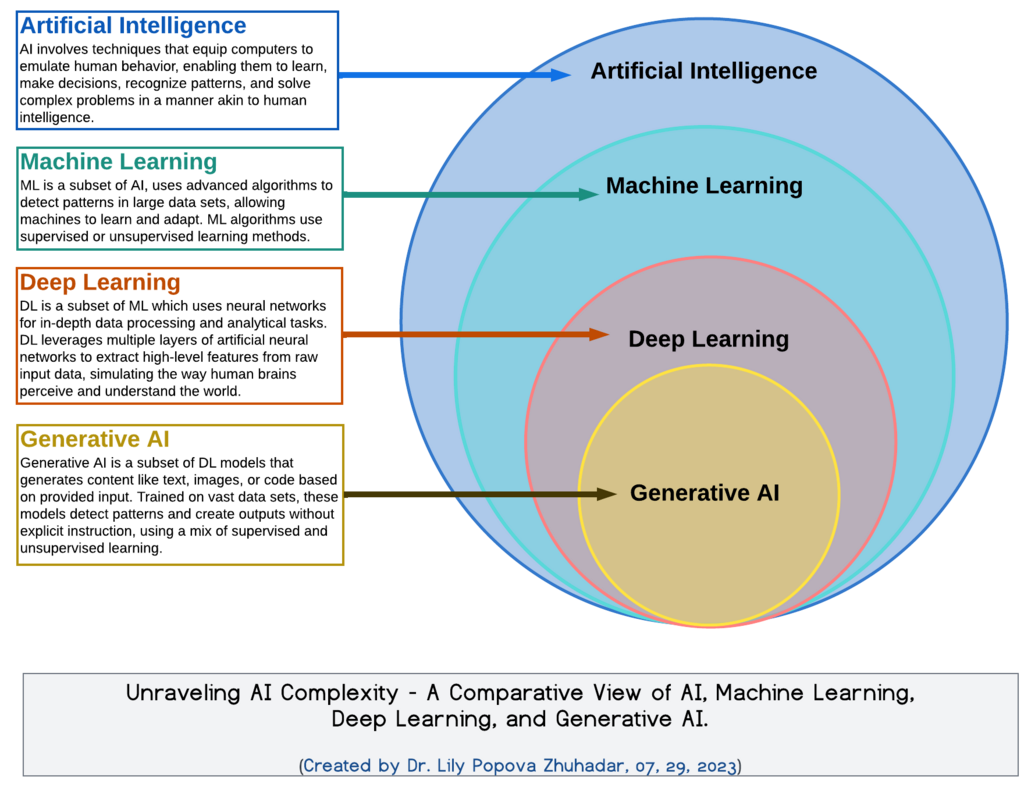
A Large Language Model, or LLM, is a type of artificial intelligence designed to understand and generate human language. Think of it as a massive, complex brain trained on a library the size of the internet. The "large" in its name refers to two things: the enormous amount of text data it learns from and the huge number of parameters, or internal variables, it uses to process that information.
A large language model (LLM) is an AI model trained on massive amounts of text data that can understand and generate human-like text, recognize patterns in language, and perform a wide variety of language tasks without task-specific training.
At its core, an LLM is a pattern-matching machine. By analyzing trillions of words from books, articles, websites, and more, it learns the relationships between words, grammar, context, and even concepts. This allows it to predict the next word in a sentence, which is the fundamental ability behind everything it does, from answering questions to writing poetry.
How an LLM Thinks
The technology that powers most modern LLMs is called the transformer architecture. Before transformers, AI models read text sequentially, word by word, which made it hard for them to remember the context of long sentences. Transformers changed the game by allowing the model to weigh the importance of all words in a sentence simultaneously, no matter their position.
This is thanks to a mechanism called "attention," which helps the model focus on the most relevant parts of the input text to create a coherent and contextually aware response.
Imagine you're reading the sentence: "The dog, which had been chasing squirrels all afternoon, was tired." An attention mechanism helps the model understand that "was tired" refers to the "dog," not the "squirrels," even though they are far apart in the sentence. By handling many such relationships at once, the model builds a rich understanding of the text.
Training a Model
Training an LLM is a massive undertaking. It happens in two main stages. First is pre-training, where the model is fed a vast, unstructured dataset of text. Its only job is to learn to predict the next word in a sequence. For example, given the text "The quick brown fox jumps over the lazy...", the model learns to predict "dog."
This process is repeated billions of times across countless texts. By doing this, the model isn't just memorizing sentences; it's learning grammar, facts, reasoning abilities, and even biases from the data it's trained on.
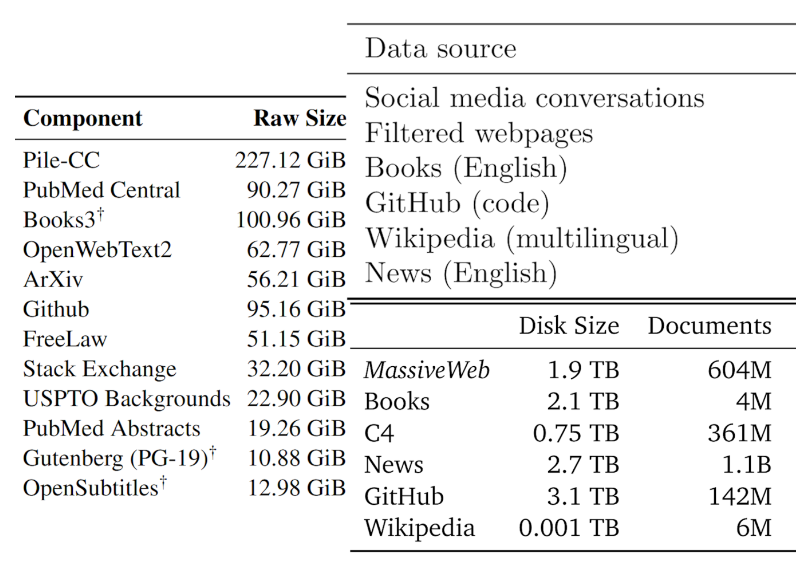
After pre-training, the model undergoes a fine-tuning stage. Here, it's trained on a smaller, more specialized dataset to align it with specific tasks or a desired conversational style. This is often where human reviewers provide feedback to make the model more helpful, truthful, and safe to interact with.
Common Applications
Because of their powerful language capabilities, LLMs are used in a wide variety of applications that are becoming part of our daily lives.
- Conversational AI: Powering chatbots and virtual assistants like ChatGPT or Google Assistant to provide helpful, human-like responses to questions.
- Content Creation: Generating marketing copy, emails, articles, and even creative writing, helping people overcome writer's block and automate routine tasks.
- Summarization: Condensing long documents, articles, or research papers into key points, saving time and effort.
- Language Translation: Providing nuanced and contextually accurate translations between languages.
- Code Generation: Assisting programmers by writing code snippets based on natural language descriptions.

Let's check your understanding of these core concepts.
What does the "large" in Large Language Model primarily refer to?
True or False: The pre-training phase of an LLM involves using a small, specialized dataset to teach it a specific task like writing poetry.
LLMs are a foundational piece of modern AI. By understanding how they are built and trained, you can better appreciate both their amazing capabilities and their limitations.