Understanding AI Language Models
Introduction to AI Language Models
What Are Language Models?
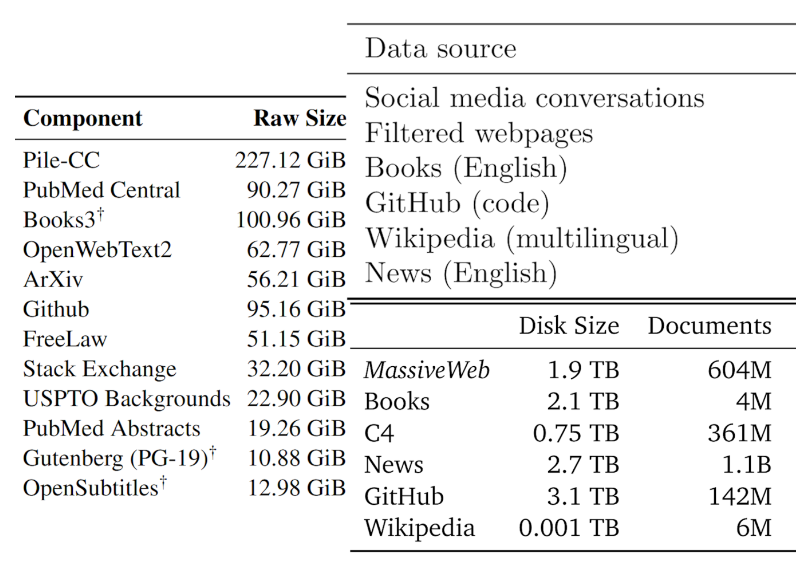
At its core, an AI language model is a tool designed to understand and generate human language. Think of it as a sophisticated pattern-matcher. It's trained on a massive library of text and learns the statistical relationships between words. This allows it to predict the next most likely word in a sentence, and the next, and the next, until it forms coherent paragraphs.
This predictive ability is the foundation for everything a language model can do. It's not about understanding in the human sense, with consciousness or feelings. Instead, it's about calculating probability. By analyzing countless examples of how words are used together, it can write an email, answer a question, or translate Spanish to Japanese with remarkable fluency.
A Quick Trip Through Time
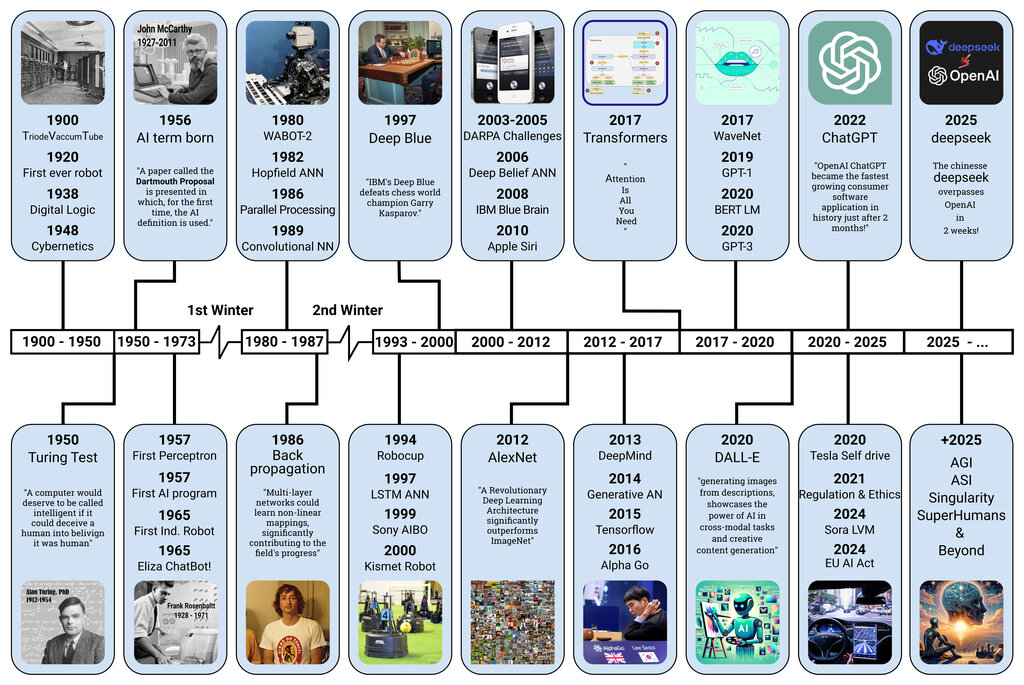
The idea of teaching machines language isn't new. Early models, known as n-gram models, simply looked at short sequences of words (like two or three at a time) to guess the next one. They were useful for basic tasks but lacked any deeper sense of context. If you went back more than a few words, the model was lost.
The real leap forward came with the rise of neural networks, which are computing systems loosely inspired by the human brain. These models could handle more context and recognize more complex patterns in language. This paved the way for the powerful models we interact with today.
The Transformer Revolution
In 2017, a new architecture called the Transformer changed everything. Its key innovation is a mechanism called "attention." Attention allows the model to weigh the importance of different words in the input text when it's generating a response. It can look at the entire sentence, or even the whole paragraph, and decide which words are most relevant to crafting the next word.
For example, in the sentence, "The robot picked up the heavy box because it was strong," the attention mechanism helps the model understand that "it" refers to the "robot," not the "box."
These models utilize transformer architectures, which are particularly adept at understanding and generating human language.
This ability to grasp long-range dependencies and context is what makes modern language models so capable. They can follow a line of reasoning, maintain a consistent style, and generate text that feels genuinely human-written.
What Can They Do?
The applications of language models are vast and growing. They act as the engine behind many AI tools you might already use.

Common use cases include:
- Text Generation: Writing anything from poetry and marketing copy to emails and code.
- Translation: Instantly translating text between dozens of languages.
- Summarization: Condensing long articles or documents into key bullet points.
- Question Answering: Acting as conversational agents or chatbots that can answer complex questions in natural language.
Large language models (LLMs) are AI systems that understand and create human language, doing tasks like summarizing articles, answering questions, writing code, and more.
Now that you've got the basics down, let's test your knowledge.
At its most fundamental level, what is an AI language model designed to do?
What key innovation, introduced by the Transformer architecture in 2017, significantly improved the ability of language models to handle context?
From simple word predictors to complex conversational partners, language models have evolved dramatically. They are powerful tools for processing and creating the one thing that is most uniquely human: language.