Understanding AI Language Models
Introduction to AI Language Models
What Are Language Models?
At its core, an AI language model is a system trained to understand and generate human language. Think of it as a sophisticated pattern-recognition machine for words. Its primary purpose is to process text, predict the next word in a sequence, and produce coherent, human-like responses.
Language Model
noun
An AI system trained on vast amounts of text data to understand, generate, and respond to human language.
These models aren't truly 'thinking' in the human sense. Instead, they calculate the probability of which word, or sequence of words, should come next based on the input they receive and the patterns they've learned from their training data. This simple-sounding task is the foundation for everything from answering questions to writing poetry.
From Simple Rules to Neural Networks
The journey to today's powerful language models was a long one. Early attempts in the mid-20th century relied on hand-coded rules created by linguists. These systems were brittle and couldn't handle the sheer complexity and nuance of human language.
The next big step was statistical models, like n-grams, which appeared in the 1980s and 90s. Instead of rigid rules, they used probability to guess the next word based on the previous few words (the 'n'). This was an improvement, but they lacked any real sense of context beyond a short window of text.
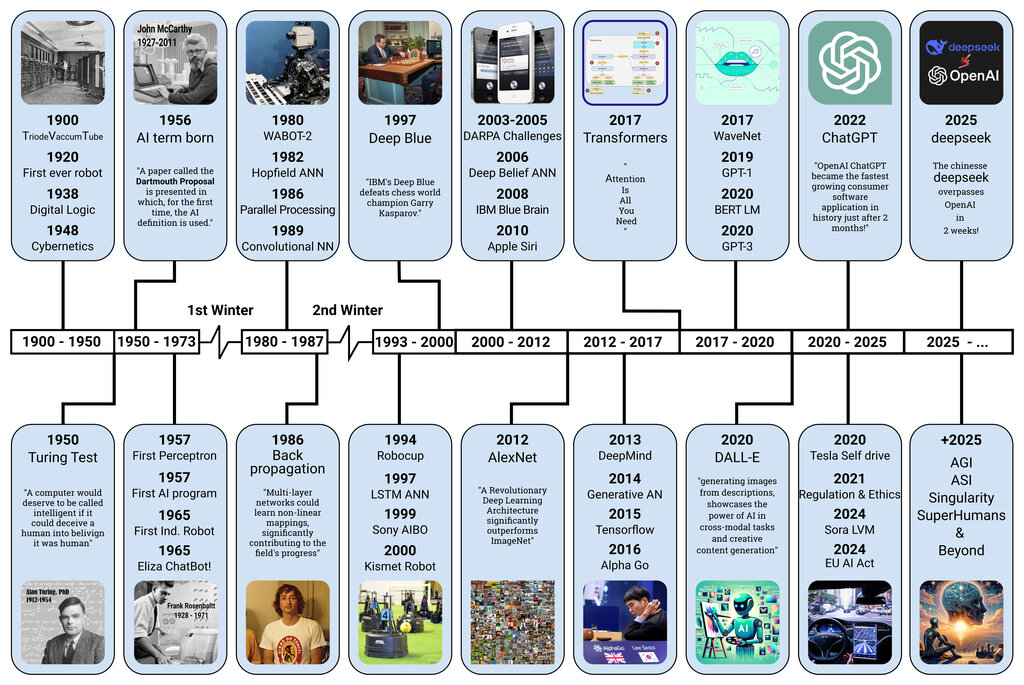
The real revolution began with the rise of neural networks and deep learning. These systems, inspired by the structure of the human brain, could learn complex patterns from data on their own. This led to models that could understand context far more effectively, paving the way for the sophisticated AI we use today.
The Transformer Architecture
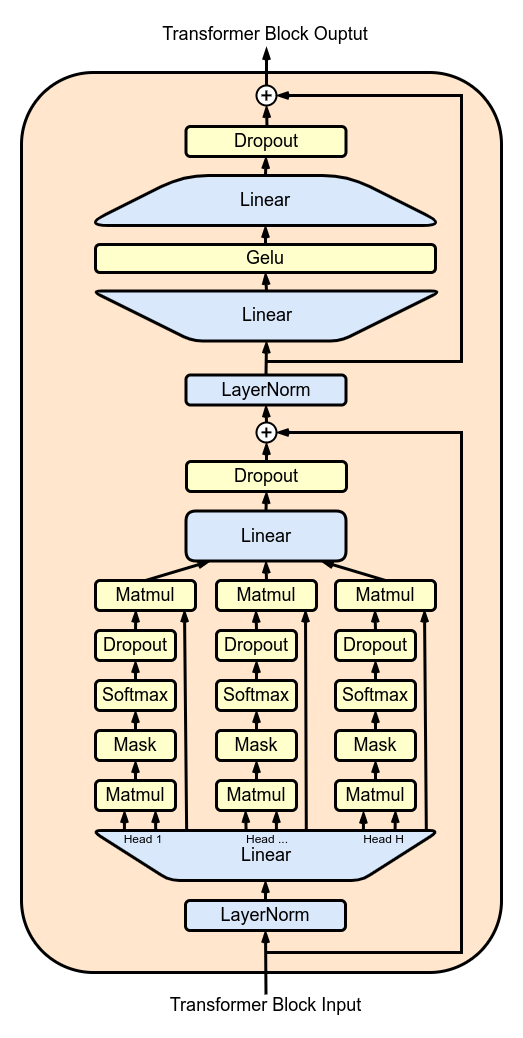
In 2017, a research paper introduced the 'Transformer' architecture, and it changed everything. The key innovation was a mechanism called 'attention.' It allows the model to weigh the importance of different words in the input text when generating a response. This means it can track relationships and context across long sentences and even entire documents, a major leap from older models.
Many of today's most famous language models, including those in the GPT series, use a 'decoder-only' version of the Transformer architecture. This design is particularly well-suited for generating text, as it focuses entirely on producing the next word in a sequence based on the words that came before it.
How Models Learn
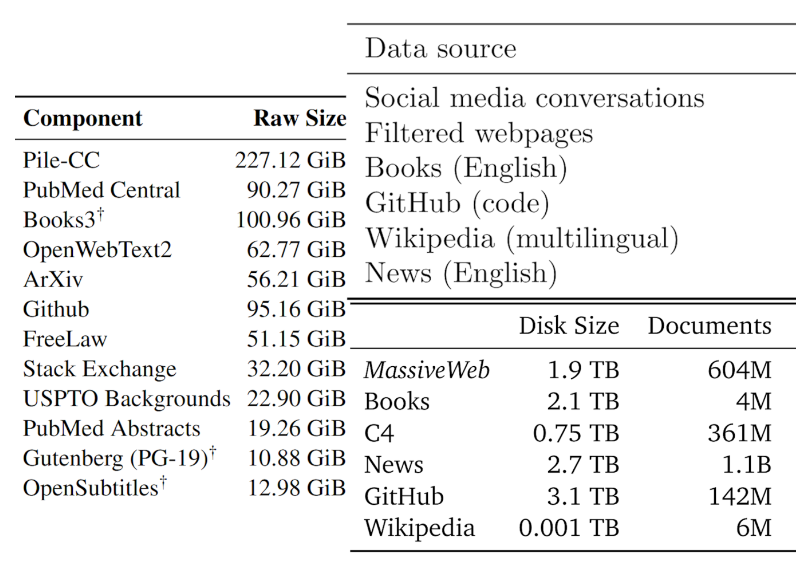
Training a large language model (LLM) is an enormous undertaking. It starts with collecting a massive dataset of text and code, often scraped from the public internet. This can include books, articles, websites, and scientific papers—trillions of words in total.
During training, the model is shown this text and its sole job is to predict the next word in a sentence. It makes a guess, compares its guess to the actual word, and adjusts its internal parameters to be more accurate next time. This process is repeated billions upon billions of times. Through this relentless process of prediction and correction, the model gradually builds an intricate internal representation of language—including grammar, facts, reasoning abilities, and even style.
Once trained, these models can be applied to a huge range of tasks. They are the engines behind many of the AI tools we interact with daily.
Common applications include writing emails and essays, summarizing long documents, translating between languages, answering complex questions, and even generating computer code.
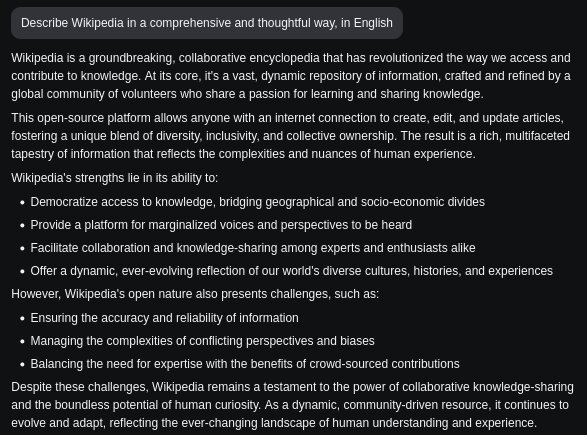
This versatility is what makes language models so powerful. By mastering the fundamental task of predicting the next word, they unlock the ability to help with a vast array of language-based challenges.
Ready to check your understanding?
What is the fundamental task that a large language model is trained to perform?
The 'Transformer' architecture, introduced in 2017, was a major breakthrough. What was its key innovation?
Now that you understand the basics of what AI language models are and how they work, you're ready to explore what it takes to build applications with them.