Understanding AI Language Models
Introduction to AI
What Is Artificial Intelligence?
Artificial intelligence (AI) is the science of making machines that can think or act like humans. The goal is to create systems that can learn from experience, reason through problems, understand complex ideas, and interact with the world in a natural way. Instead of just following a fixed set of instructions, an AI is designed to adapt and improve on its own.
At its core, AI gives computers the ability to perform tasks that normally require human intelligence, like recognizing patterns, making decisions, and understanding language.
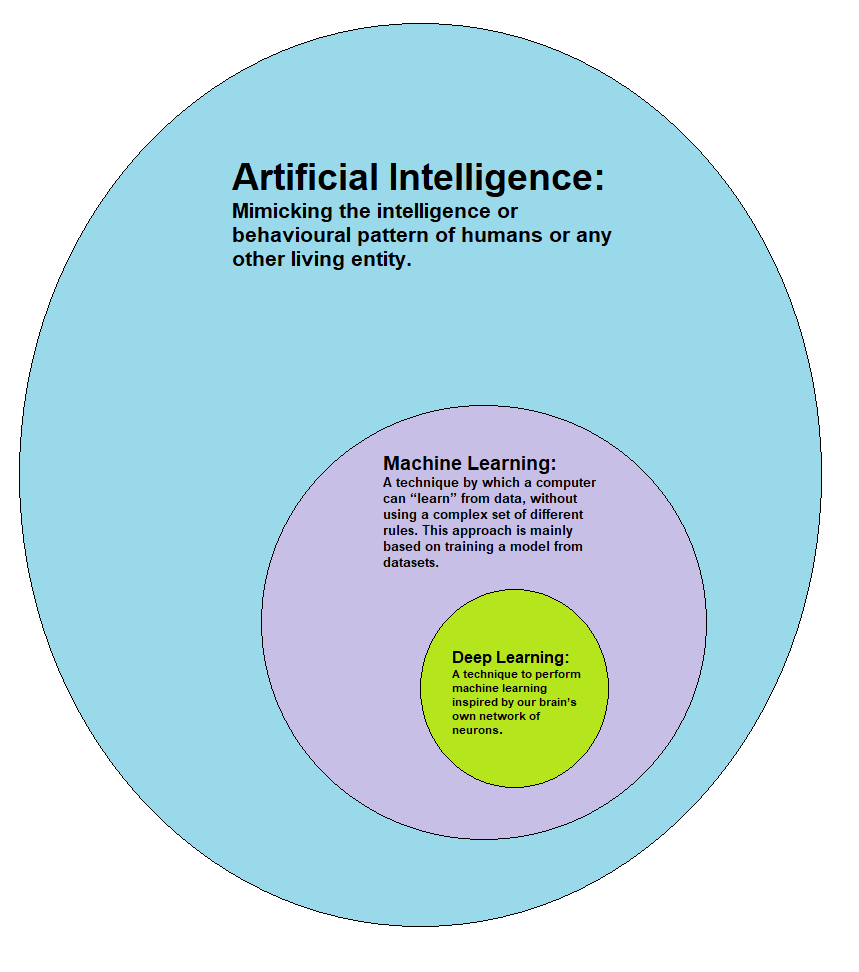
Think about how you learn. You observe, you try things, and you get better over time. AI aims to replicate this process in a machine. This field is incredibly broad and includes many different techniques and approaches.
A Brief History
The idea of intelligent machines has been around for centuries, but the formal study of AI began in the 1950s. Early researchers were optimistic, believing that a machine with human-level intelligence was just a few decades away. This initial excitement led to foundational work in problem-solving and symbolic reasoning.
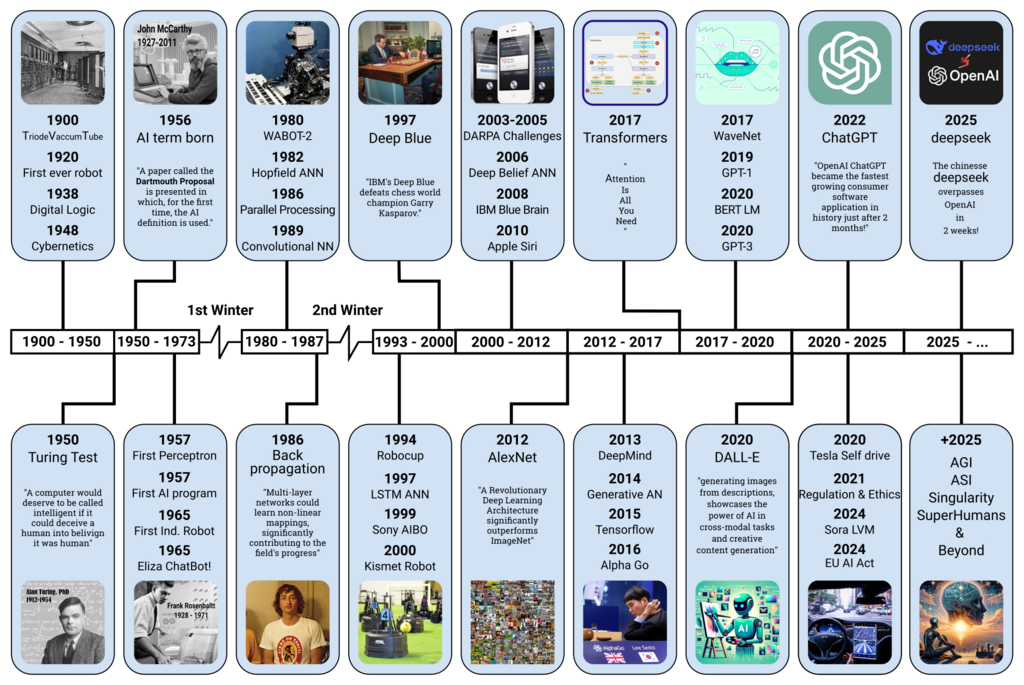
Progress wasn't always a straight line. The field went through periods of high funding and excitement, known as "AI summers," followed by times of reduced interest, or "AI winters." Early methods hit roadblocks with complex, real-world problems. A major shift happened with the rise of statistical methods and more powerful computers, which allowed AI to move from theory to practice.
Two Ways to Build AI
Over the years, two main strategies for creating intelligence have emerged.
The first is the rule-based system. This is like giving a computer a very detailed instruction manual for every possible situation. Programmers write explicit, if-then rules to guide the machine's behavior. For example, a simple chatbot might have a rule like, "If a user says 'hello,' then respond with 'Hi, how can I help you?'"
Rule-based systems are predictable and easy to understand, but they are brittle. They can't handle any situation that their programmers didn't think of beforehand.
The second, more modern approach is machine learning. Instead of giving the computer rules, we give it a lot of data and let it figure out the patterns on its own. It learns from examples, much like a person does. For instance, to teach an AI to recognize cats, you don't describe what a cat is. You just show it thousands of pictures of cats until it learns the features that define a cat.
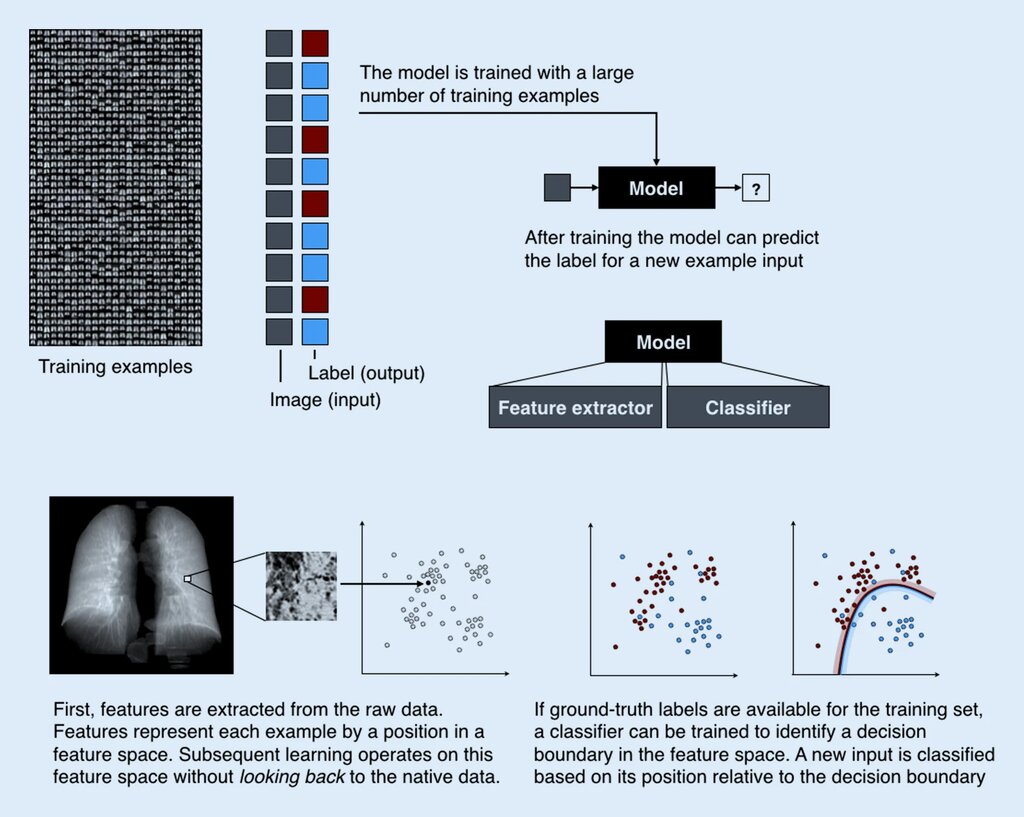
This ability to learn from data makes machine learning much more flexible and powerful than rule-based systems for tasks involving ambiguity and complexity, like understanding speech or identifying objects in an image.
The Subfields of AI
Artificial intelligence is a vast field with many specialized branches. Here are three of the most prominent areas:
Machine Learning
noun
The subfield of AI focused on building systems that learn from data to find patterns and make predictions without being explicitly programmed.
Machine learning is the engine behind many AI applications today, from recommendation algorithms on streaming services to the software that guides self-driving cars.
Natural Language Processing
noun
A branch of AI that helps computers understand, interpret, and generate human language. It's often shortened to NLP.
NLP makes it possible for you to talk to your devices, get instant translations between languages, and have chatbots answer your customer service questions.
Computer Vision
noun
An area of AI that trains computers to interpret and understand information from images and videos. It aims to replicate the power of human sight.
This technology is used everywhere, from medical imaging analysis that helps doctors spot diseases to quality control systems on factory assembly lines.
AI in the Real World
AI is no longer just a concept from science fiction; it's a part of our daily lives. It powers the search results you see, suggests what you should watch next, and helps you navigate through traffic. In other industries, AI is transforming how work gets done.
| Industry | Application of AI |
|---|---|
| Healthcare | Analyzing medical scans to detect diseases earlier and more accurately. |
| Finance | Detecting fraudulent transactions in real-time and automating trading. |
| Retail | Personalizing shopping recommendations and managing inventory. |
| Transportation | Optimizing delivery routes and developing self-driving vehicles. |
| Entertainment | Creating personalized content feeds and powering special effects in movies. |
As these systems become more capable, they open up new possibilities for solving some of the world's most complex challenges, from climate change to medical research.
Ready to test your knowledge? Let's review what you've learned.
What is the primary goal of Artificial Intelligence?
The history of AI development has been a steady and consistent progression of successes.
Understanding these foundational ideas is the first step in seeing how modern AI, including the large language models we'll explore next, is built.