Understanding AI Language Models
Introduction to AI
What Is Artificial Intelligence?
Artificial intelligence is about making machines smart. The goal is to create systems that can perform tasks that normally require human intelligence. This includes things like learning from experience, understanding language, recognizing objects in photos, and solving complex problems.
Artificial Intelligence
noun
The theory and development of computer systems able to perform tasks that normally require human intelligence, such as visual perception, speech recognition, decision-making, and translation between languages.
Think of AI not as a single thing, but as a broad field of study, much like biology or physics. Within this field, there are many different approaches and subfields. At its core, AI is about creating algorithms, which are sets of rules or instructions, that allow computers to reason and learn.
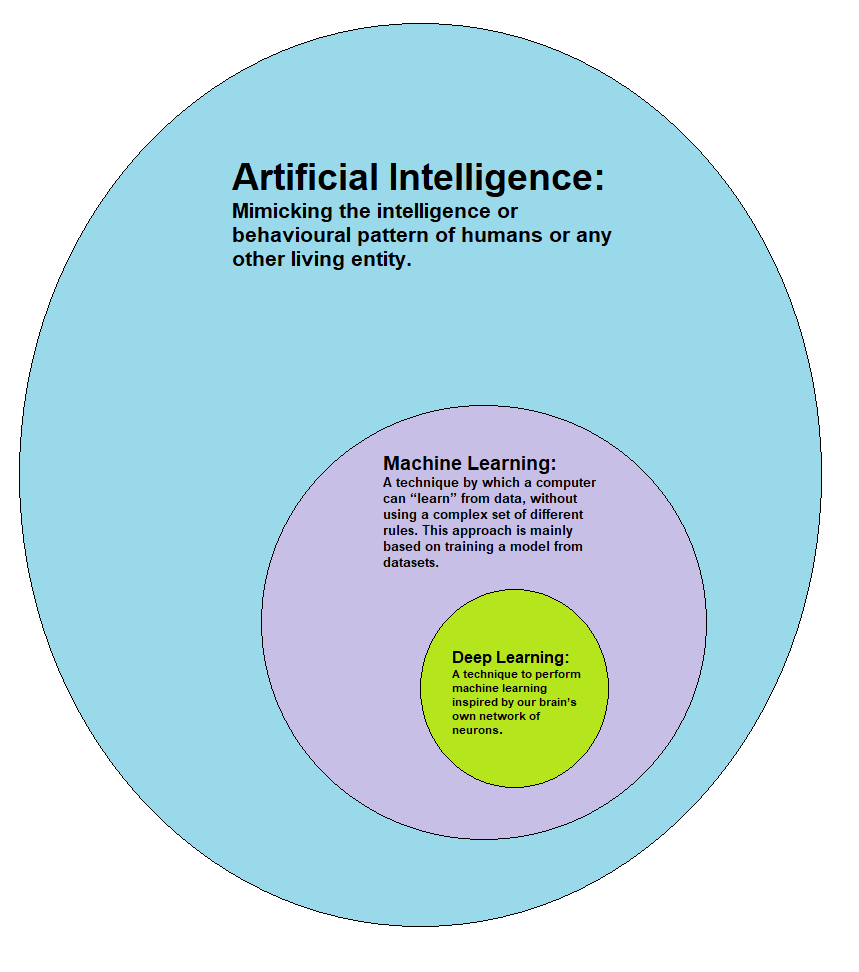
This diagram shows that while all deep learning is a form of machine learning, and all machine learning is a form of AI, the reverse isn't true. We'll stick to the big picture of AI for now.
A Quick Trip Through Time
The dream of intelligent machines is ancient, but the scientific field of AI is relatively new. It officially began in the summer of 1956 at a conference at Dartmouth College. Early researchers were incredibly optimistic, believing that a machine as intelligent as a human being was just a few decades away.
Progress wasn't always a straight line. There were periods of great excitement and funding, known as "AI summers," followed by periods of disappointment and budget cuts, called "AI winters." Early AI focused on rule-based systems. You'd program a computer with a set of logical rules, and it would use them to make decisions. This worked for well-defined problems like chess, but it struggled with the messiness of the real world.
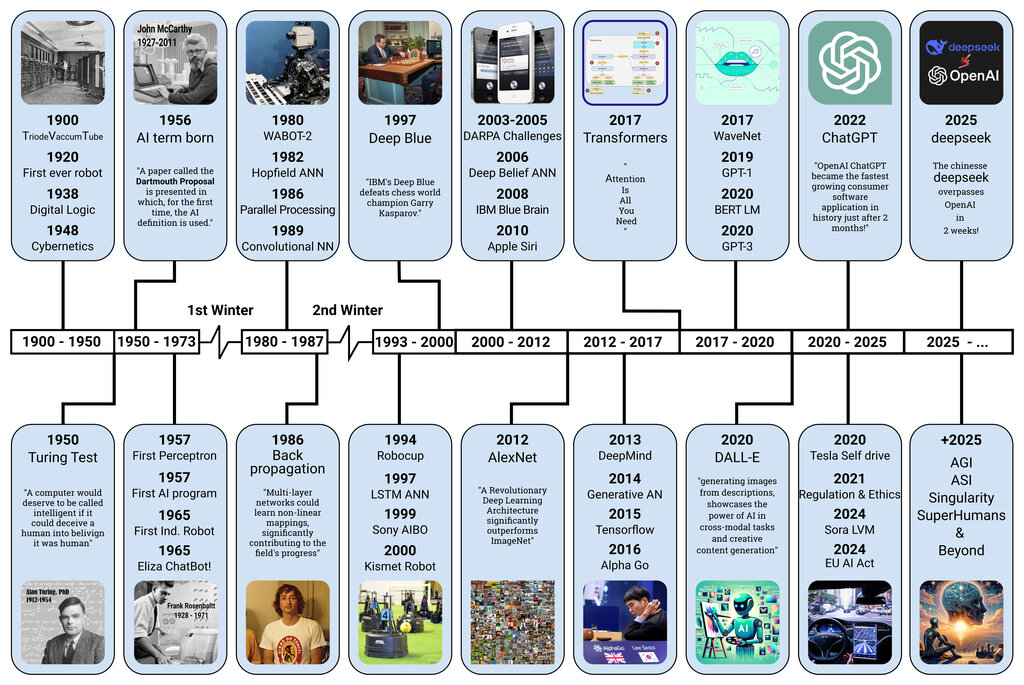
A major shift happened with the rise of machine learning. Instead of programming rules by hand, developers created algorithms that could learn rules from large amounts of data. This data-driven approach, powered by massive increases in computing power, is behind most of the AI advancements we see today.
AI in the Wild
AI is no longer just in research labs. It's woven into the fabric of our daily lives. When you ask a smart speaker for the weather, an AI is processing your voice and finding the answer. When a streaming service recommends a movie you might like, it's using AI to predict your taste based on your viewing history.
AI powers everything from the spam filter in your email to the fraud detection systems that protect your credit card.
Beyond personal convenience, AI is transforming major industries. In healthcare, it helps doctors diagnose diseases earlier and more accurately by analyzing medical images like X-rays and MRIs. In finance, algorithms execute trades and manage investment portfolios. In transportation, AI is the brain behind self-driving cars, navigating roads and reacting to traffic in real-time. Farmers even use AI to monitor crop health and optimize harvests.
The Impact on Society
The rise of AI brings enormous potential for good. It can automate dangerous or tedious jobs, boost scientific discovery, and help us tackle huge challenges like climate change and disease. By making processes more efficient, AI can increase productivity and create new economic opportunities.
However, it also presents serious challenges. One major concern is job displacement. As AI becomes more capable, tasks currently performed by humans may be automated, requiring shifts in the workforce and new types of training. Another critical issue is bias. If an AI system is trained on biased data, it can perpetuate or even amplify unfairness in areas like hiring or loan applications.

There are also questions about privacy, as AI systems often rely on vast amounts of personal data to function. Ensuring that AI is developed and used responsibly is one of the most important tasks facing society today. It requires careful thought from technologists, policymakers, and the public to steer this powerful technology toward a future that benefits everyone.
Time to check what you've learned.
What is the primary goal of Artificial Intelligence?
The history of AI has been a smooth, continuous line of progress since it began in the 1950s.
From its early days of pure logic to today's data-driven powerhouses, AI is a field that's constantly evolving, shaping our world in countless ways.