Understanding AI Language Model Capabilities
Introduction to AI Language Models
What Are Language Models?
An AI language model is a system designed to understand and generate human text. Think of it as an extremely advanced version of the predictive text on your phone. While your phone might guess the next word in your sentence, a large language model can write an entire email, summarize a long article, or even compose a poem.
These models are a form of artificial intelligence. They don't "understand" language in the way humans do. Instead, they are experts at recognizing and recreating the patterns, structures, and statistical relationships within vast amounts of text. By learning these patterns, they can produce new text that is coherent, contextually relevant, and remarkably human-like.
From Simple Rules to Deep Learning
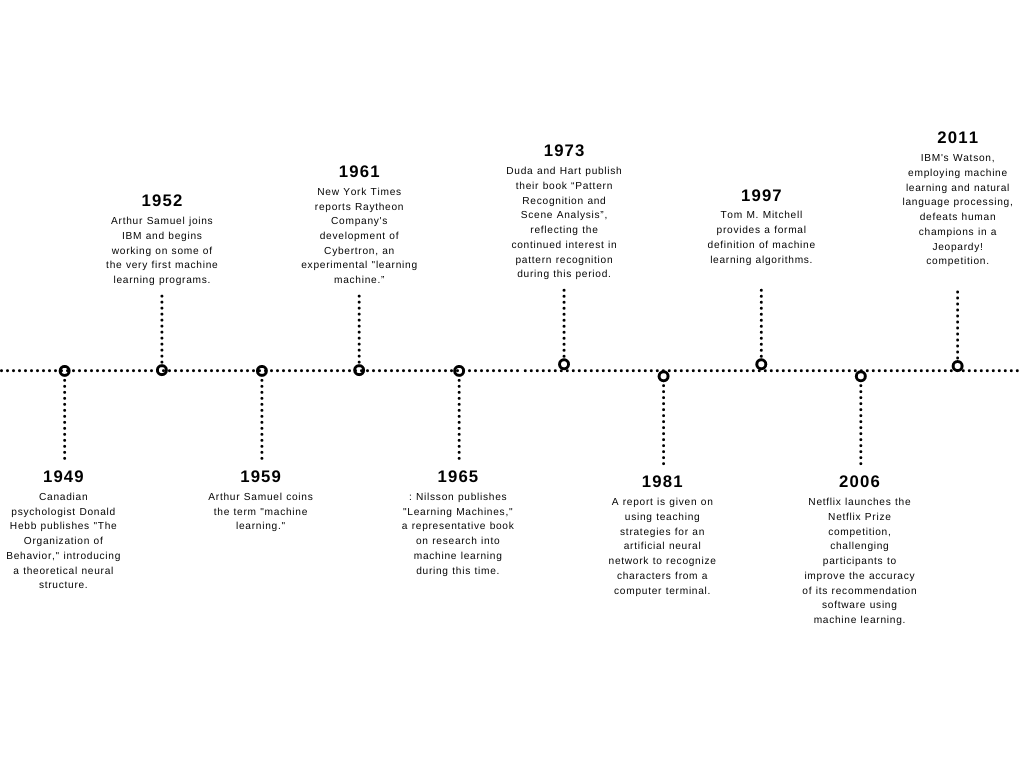
The journey to today's powerful language models was a long one. Early attempts were much simpler and relied on fixed rules. One of the first approaches was the n-gram model, which predicted the next word based on the previous few words (the 'n'). For example, after seeing the phrase "the cat sat on the," an n-gram model might predict "mat" because that combination appeared frequently in its data. This worked for short, predictable phrases but often produced robotic and nonsensical text because it lacked a wider understanding of context.
The real breakthrough came with machine learning and, later, deep learning. Instead of being programmed with grammatical rules, models began learning them directly from data. By analyzing millions of sentences, they could learn complex patterns on their own. This shift led to more sophisticated neural network architectures, allowing models to consider much larger contexts and generate more natural-sounding language.
Training on a Digital Library
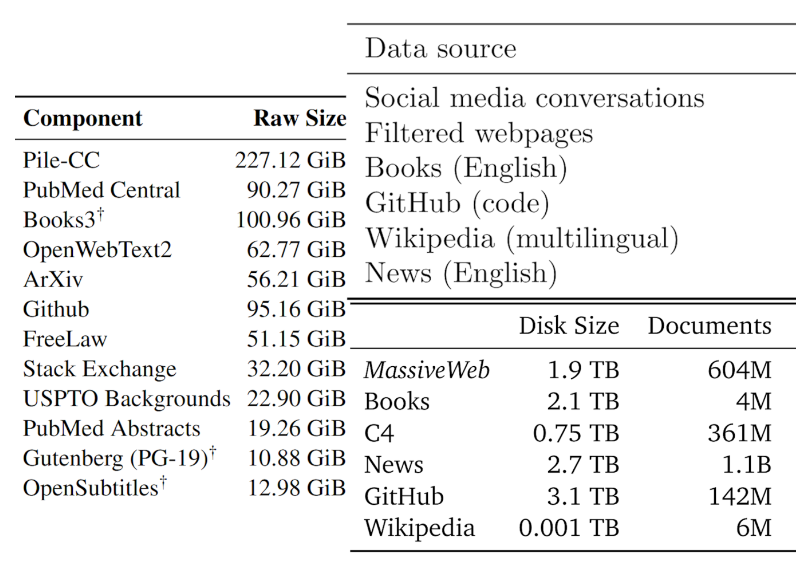
How does a model learn to write? It needs two things: a powerful algorithm and an enormous amount of data. The training process is like giving a student an immense digital library containing a huge portion of the internet, countless books, and millions of articles.
The model's core task during training is simple but powerful: predict the next word. It's given a piece of text with a word missing and has to guess what it is. For example, it might see "The quick brown fox jumps over the lazy ____." At first, its guesses are random. But every time it gets one wrong, it adjusts its internal parameters to improve its chances next time. After repeating this process billions or trillions of times, the model becomes incredibly good at predicting the next word in any given context. This simple training objective is what allows it to learn grammar, facts, reasoning styles, and the nuances of human language.
Now that you have a foundational understanding of what language models are and how they are trained, let's test your knowledge.
What is the core task a language model performs repeatedly during its training process?
Early language models, like n-gram models, often produced robotic-sounding text because they relied on fixed, programmed grammatical rules.