Understanding AI Chatbots
Introduction to AI Language Models
What Are Language Models?
At its heart, an AI language model is a system trained to understand and generate human language. Think of it as a highly advanced form of autocomplete. You start a sentence, and it predicts the most likely next word, then the next, and the next, until it forms a complete thought.
But instead of just suggesting one or two words, these models can write paragraphs, answer questions, and even translate languages. They do this by learning the patterns, grammar, context, and nuances from the massive amounts of text they're trained on—essentially, a significant portion of the internet, books, and other digital text.
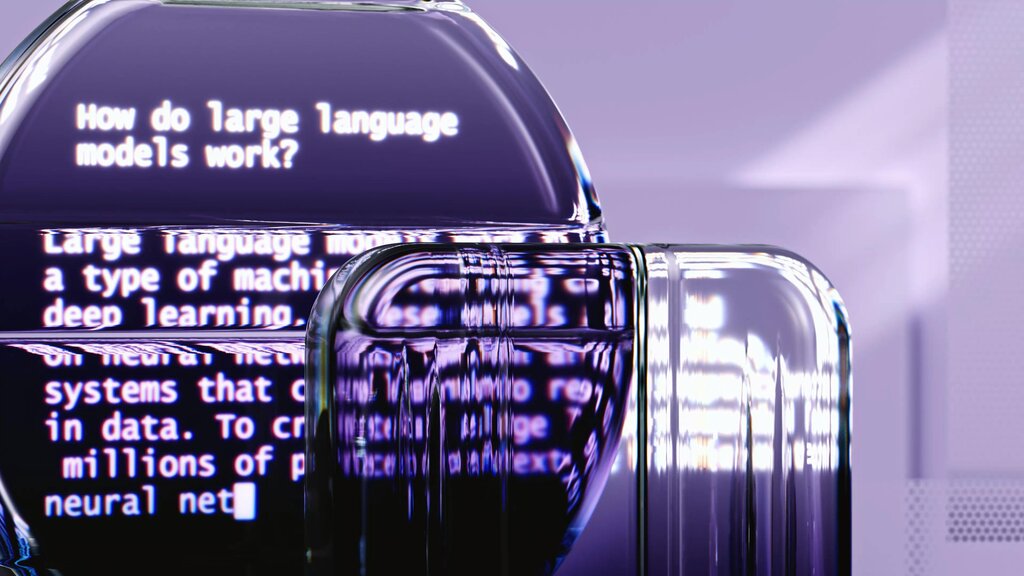
This powerful capability allows them to do much more than just predict text. They can summarize a long document, explain a complex topic in simple terms, or even write a piece of code. The core purpose is to process and work with language in a way that is useful and coherent, bridging the gap between human communication and computer understanding.
A Brief History
The idea of teaching machines to understand language isn't new. Early attempts in the mid-20th century relied on complex, hand-written rules. A programmer would have to manually teach the computer grammar and vocabulary. This approach was brittle and couldn't handle the endless exceptions and creativity of human language.
The next big step was statistical models. Instead of hard-coded rules, these models looked at huge amounts of text and calculated the probability of words appearing together. For example, they learned that the word "mat" is very likely to follow the phrase "the cat sat on the." This was a major improvement, but it still lacked a deep understanding of context.
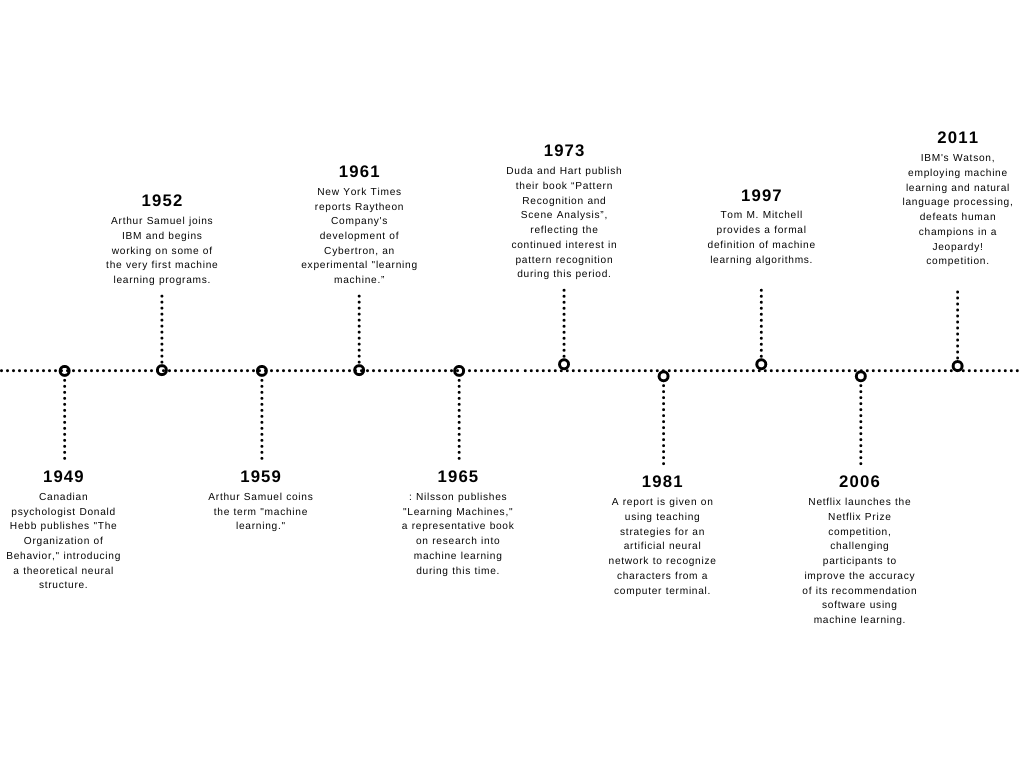
The real breakthrough came with neural networks and deep learning. Inspired by the structure of the human brain, these models can learn patterns and relationships in data on their own. By training on vast datasets, they build an internal representation of how language works, allowing for a much more flexible and nuanced understanding of context, meaning, and style.
How They Think
So, how does a model go from seeing billions of words to writing a poem? The process starts with converting words into numbers, a format computers can understand. These numbers, called vectors, capture the word's meaning and its relationship to other words. For example, the vectors for "king" and "queen" would be mathematically related to the vectors for "man" and "woman."
When you give the model a prompt, it turns your words into vectors and processes them through its neural network. This network is made of layers of interconnected nodes, each performing a small calculation. As the data passes through these layers, the model builds a contextual understanding of the prompt and begins to calculate a probability distribution for the next most likely word.
It picks a word, adds it to the sequence, and then repeats the entire process, using the newly extended sentence to predict the next word. This word-by-word generation is how a simple prompt can result in a detailed, multi-paragraph response.
This architecture, often based on a design called the "Transformer," is particularly good at paying attention to which words in the input are most important for generating the output. This is what allows it to maintain context over long conversations and handle complex requests.
Common Applications
Language models have moved beyond research labs and are now part of many tools we use daily. They power sophisticated chatbots and virtual assistants, making interactions feel more natural and helpful.
They're also used for:
- Content Creation: Writing emails, marketing copy, articles, and even creative fiction.
- Summarization: Condensing long reports, articles, or meetings into key bullet points.
- Translation: Translating text between languages with greater accuracy and fluency than older methods.
- Code Generation: Writing snippets of code based on a description in plain English.
- Sentiment Analysis: Determining the emotional tone of a piece of text, like a customer review.
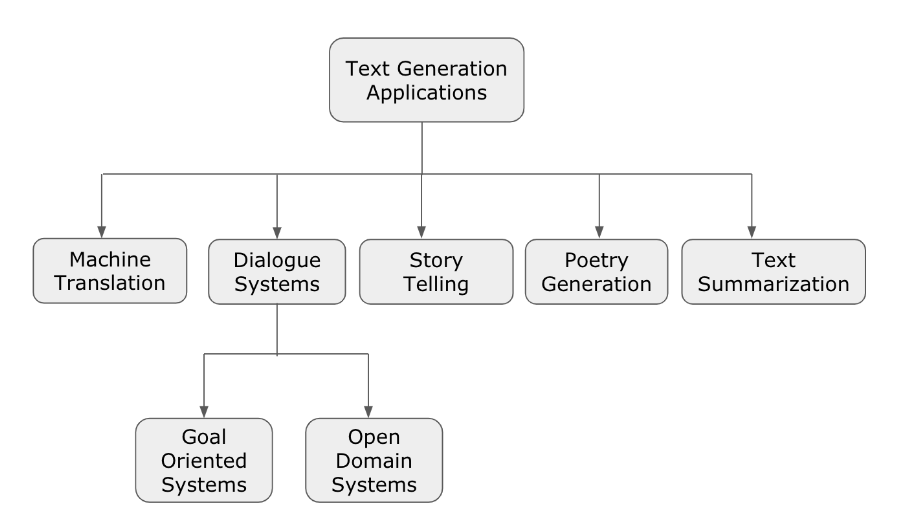
As these models become more capable, they are being integrated into increasingly complex applications, from scientific research to interactive entertainment.
Let's test your understanding of these core concepts.
What is the fundamental capability of an AI language model at its most basic level?
What was a primary limitation of the earliest, rule-based approaches to machine language understanding?
This fundamental understanding of what language models are, how they developed, and their basic function is the first step to grasping the broader world of AI.