Understanding AI Chatbots
Introduction to AI
What Is Artificial Intelligence?
At its core, artificial intelligence is the science of making machines smart. It's about creating computer systems that can perform tasks that typically require human intelligence, like learning from experience, solving problems, understanding language, and recognizing objects.
Think of it as a system’s ability to correctly interpret data, learn from it, and use those learnings to achieve specific goals through flexible adaptation.
Instead of being explicitly programmed for every single task, an AI system is designed to recognize patterns. This ability to learn is what makes it so powerful. It can sift through massive amounts of information, find connections that a human might miss, and make predictions or decisions based on what it finds. From recommending your next favorite song to helping doctors diagnose diseases, AI works by processing information and improving its own performance over time.
A Brief History of AI
The idea of intelligent machines has been around for centuries, but the formal field of AI research began in the mid-1950s. Early researchers were incredibly optimistic, believing that a machine with human-like intelligence was just a few decades away. This initial excitement led to significant breakthroughs in problem-solving and game-playing programs.
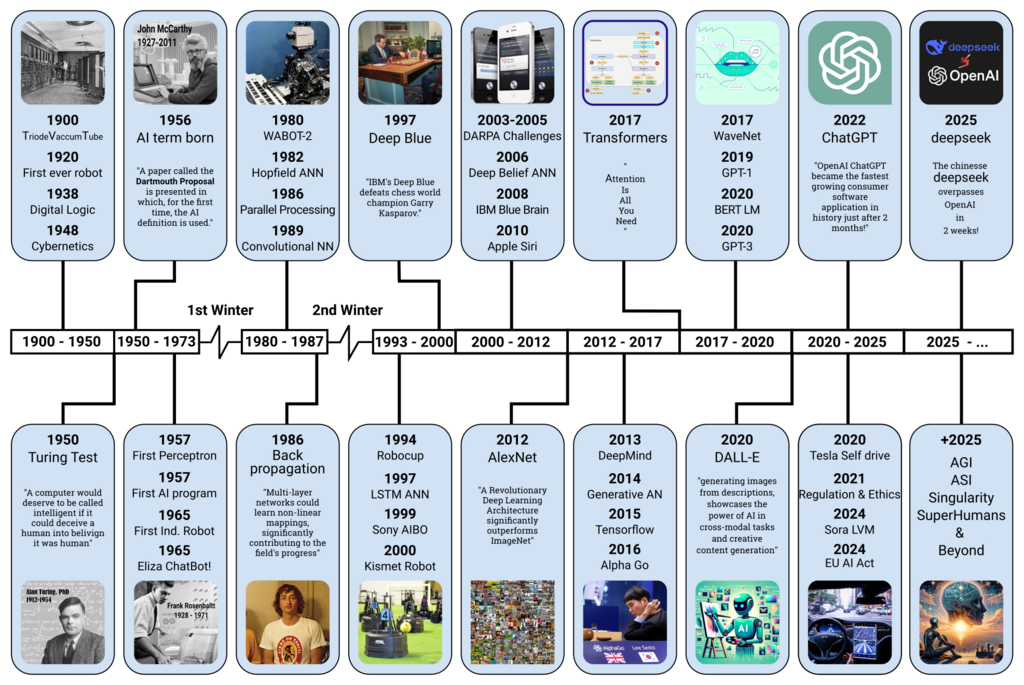
However, progress wasn't a straight line. The field experienced several "AI winters," periods when funding and interest dried up because the technology couldn't live up to the hype. The computers of the time weren't powerful enough, and researchers didn't have access to the vast amounts of data needed to train complex systems.
Everything changed in the 21st century with the rise of the internet and big data, along with massive increases in computing power. These advancements fueled a resurgence in AI, leading to the rapid progress we see today.
The Building Blocks of Modern AI
Modern AI isn't one single technology. It's an umbrella term for a collection of powerful techniques. Three of the most important concepts to understand are machine learning, natural language processing, and neural networks.
Machine Learning
noun
A subset of AI that gives computers the ability to learn without being explicitly programmed. Instead of following a set of static instructions, the system uses algorithms and statistical models to analyze data, identify patterns, and make decisions.
Machine learning (ML) is the engine that drives most modern AI. It's the process of "training" an algorithm by feeding it huge amounts of data. Over time, the algorithm learns to recognize patterns and make predictions. For example, by analyzing thousands of pictures of cats, an ML model can learn to identify a cat in a new photo it has never seen before.
Natural Language Processing
noun
A field of AI that focuses on enabling computers to understand, interpret, and generate human language. It bridges the gap between human communication and computer understanding.
Natural Language Processing, or NLP, gives machines the ability to work with human language. This is incredibly complex, as human language is filled with nuance, slang, and ambiguity. NLP helps machines read text, hear speech, measure sentiment, and determine which parts are important. It's the technology behind language translation apps and automated customer service chats.
Neural Network
noun
A computational model inspired by the structure and function of the human brain. It consists of interconnected nodes, or neurons, that process information and pass it to other nodes.
Neural networks are the backbone of many advanced AI systems, particularly a technique called deep learning. By layering these networks, computers can learn to recognize very complex patterns in data like images, sound, and text. Each layer of the network learns to identify a specific feature, and by combining the work of all the layers, the system can make a sophisticated decision or prediction.
These concepts work together to create intelligent systems. An AI application might use a neural network, trained via machine learning, to perform a natural language processing task. Together, they form the foundation of the AI-powered tools we use every day.
AI in the Real World
Artificial intelligence is no longer confined to science fiction. It's a practical tool that is reshaping industries across the globe.
- Healthcare: AI helps analyze medical images like X-rays and MRIs to detect diseases earlier and more accurately. It also powers tools that predict patient outcomes and personalize treatment plans.
- Finance: Banks use AI to detect fraudulent transactions in real time, assess credit risk, and automate trading strategies.
- Entertainment: Streaming services use AI to recommend movies and music tailored to your tastes. Video game developers use it to create more realistic and challenging non-player characters.
- Transportation: AI is the brain behind self-driving cars, optimizing navigation, and identifying obstacles on the road. It also helps manage traffic flow in smart cities.
- Retail: Online stores use AI to personalize shopping experiences, manage inventory, and power recommendation engines that suggest products you might like.
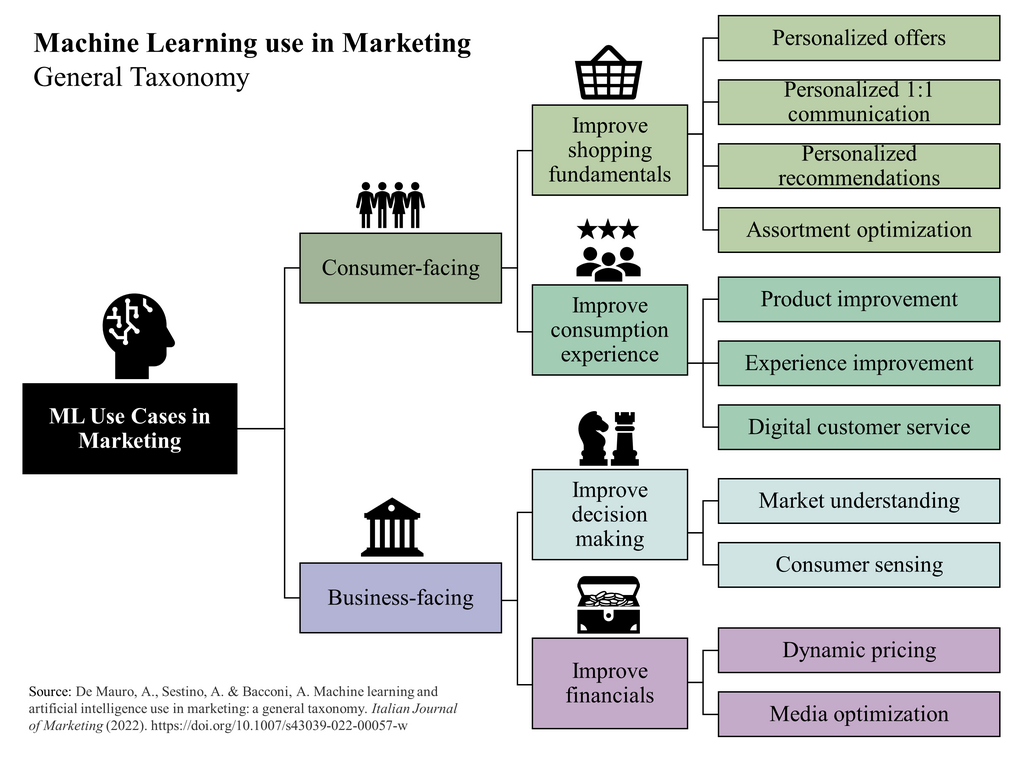
These applications are just the beginning. As the technology continues to evolve, AI will become even more integrated into our daily lives, changing how we work, play, and interact with the world around us.
Let's check your understanding of these foundational AI topics.
What is the fundamental goal of artificial intelligence?
The periods in AI history when funding and interest declined due to a failure to meet expectations were known as...
By understanding these core concepts, you have a solid foundation for exploring the more advanced aspects of artificial intelligence.