Understanding AI Agents
Introduction to AI Agents
More Than Just Code
When we talk about artificial intelligence, we often think of complex algorithms or massive datasets. But at the heart of many AI systems is a simpler, more powerful concept: the agent. An AI agent is an autonomous entity that operates within an environment to achieve a specific goal. Think of it as a digital worker with a job to do.
Agents in AI are autonomous entities that perceive their environment, process information, and take actions to achieve specific goals.
This definition breaks down into three key activities that form a continuous cycle. First, the agent perceives its environment using sensors. These aren't necessarily physical sensors like cameras or microphones; they can also be digital, like reading data from a website or a database. Next, it reasons about what it perceives, processing the information to make a decision. Finally, it acts upon the environment using actuators to move closer to its goal. An actuator could be a robotic arm, a message in a chat window, or a change to a setting on your phone.
Agents in the Wild
This might sound abstract, but you interact with AI agents every day. A spam filter in your email is a simple agent. Its environment is your inbox, its goal is to identify junk mail, and its action is to move that mail to the spam folder. A smart thermostat learns your habits (perceives), decides when to adjust the temperature (reasons), and changes the heating or cooling settings (acts).
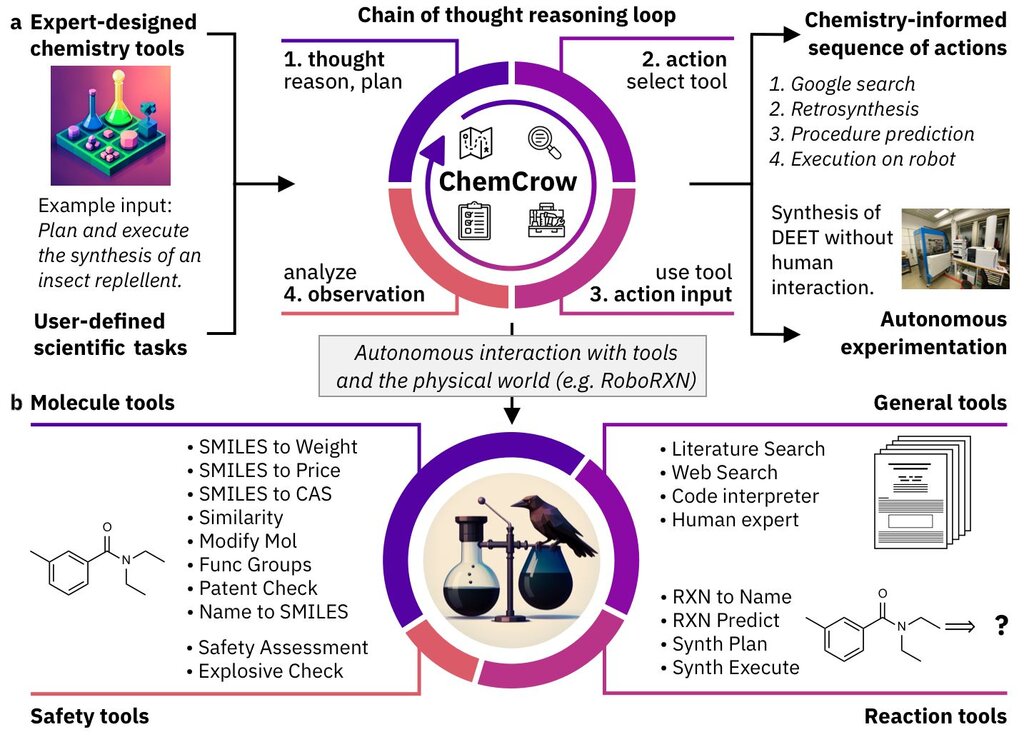
The power of agents comes from their autonomy. Instead of being told exactly what to do step-by-step, an agent is given a goal and the freedom to figure out how to achieve it. This makes them incredibly versatile. In customer service, an agent can be a chatbot that answers questions and resolves issues. In finance, an agent might monitor stock prices and execute trades automatically. In gaming, non-player characters (NPCs) are agents that react to the player's actions to create a more dynamic world.
The key shift is from writing instructions to defining goals. The agent handles the 'how'.
Why Agents Matter
The concept of agents is fundamental because it allows us to build systems that can handle complexity and uncertainty. The real world is messy and unpredictable. A system that can perceive its surroundings, adapt its strategy, and act independently is far more effective than one that can only follow a rigid script.
As AI technology advances, agents are becoming more sophisticated. They can now handle multi-step tasks, use different software tools, and even collaborate with other agents. This opens up possibilities for automating complex workflows, from planning a vacation to managing a supply chain or conducting scientific research.
Understanding AI agents is the first step toward seeing how modern AI systems work. They are the building blocks that allow AI to move from simply processing data to actively participating in and changing the world around us.
An AI agent operates in a continuous cycle of three key activities. What are they?
In the context of an AI agent, which of the following is an example of an 'actuator'?