Understanding Age Regression Dynamics
Introduction to Age Regression
What Is Age Regression?
Have you ever found yourself acting or feeling much younger than you are, maybe during a moment of stress or intense joy? This experience might be a form of age regression. It's a psychological phenomenon where an individual temporarily reverts to behaviors, thoughts, and feelings from an earlier stage of their life.
Age regression occurs when someone reverts to a younger state of mind.
This isn't about simply reminiscing or acting childishly on purpose. It's a deeper shift in one's mental state. Age regression can happen in two main ways:
-
Voluntary: Some people intentionally engage in age regression as a coping mechanism or a way to relax. They might consciously choose to access a younger mindset to feel safe, creative, or carefree.
-
Involuntary: This type occurs without conscious control. It's often a response to stress, trauma, or certain triggers. The person doesn't decide to regress; their mind does it automatically as a protective measure.
Why Does It Happen?
The mind is complex, and age regression is one of its more fascinating defense mechanisms. When faced with overwhelming stress, anxiety, or situations that feel unmanageable, the mind might retreat to a time that felt safer and simpler—childhood.
By reverting to a younger state, a person can momentarily escape adult pressures and responsibilities. It's a way of accessing the feelings of comfort and security associated with being cared for as a child. This can provide temporary relief and a chance to emotionally regroup before facing the present-day challenge.
Involuntary regression, especially, is often linked to unresolved past experiences. A particular sight, sound, or feeling can trigger a subconscious memory, pulling the individual back to the emotional state of that earlier time.
A Look Back
The idea of reverting to earlier life stages isn't new. Early psychoanalysts were fascinated by how the past influences the present. Sigmund Freud, for example, saw regression as a defense mechanism. He believed that when faced with anxiety, an individual might retreat to an earlier, more comfortable psychosexual stage where their needs were consistently met. If an adult who struggled with oral fixation (like smoking or overeating) became overly stressed, they might regress by increasing those behaviors, unconsciously seeking the comfort they associated with infancy.
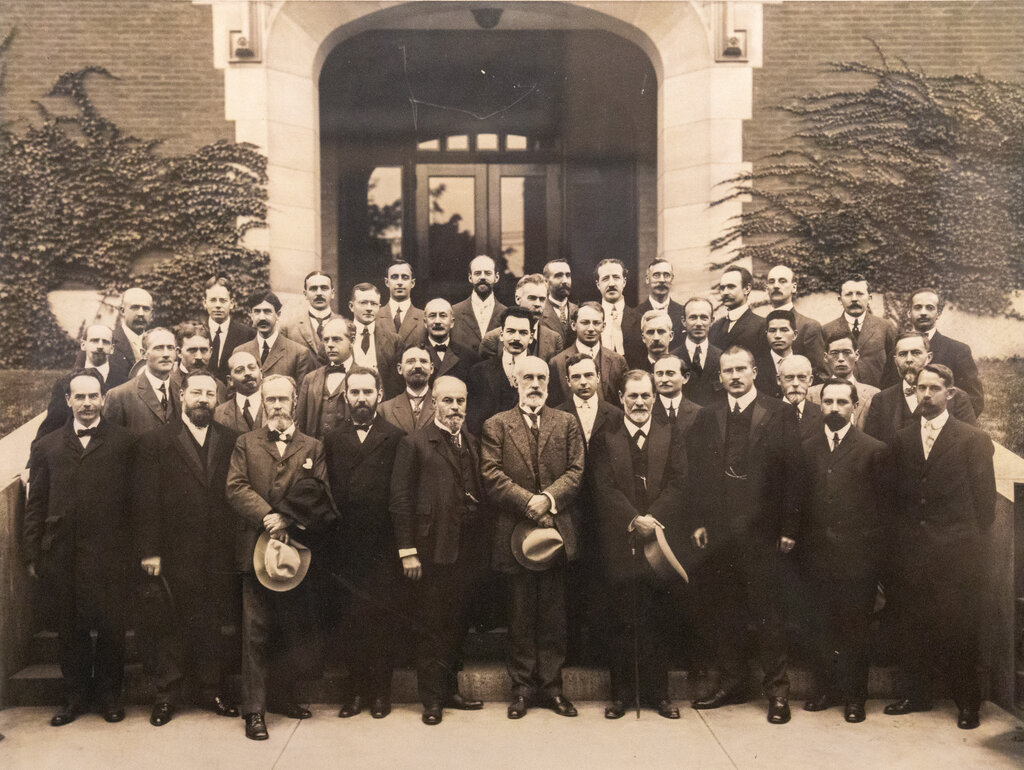
Carl Jung, a contemporary of Freud, had a different perspective. He didn't focus on developmental stages in the same way. Instead, Jung's work on archetypes, particularly the "Divine Child," relates to this concept. The Child archetype represents innocence, potential, and the beginning of life. For Jung, connecting with this "inner child" wasn't about escaping reality, but about integrating the positive, creative, and spontaneous aspects of youth into a healthy adult personality. This view frames regression less as a defense and more as a potential source of renewal and wholeness.
Benefits and Risks
When used consciously and safely, age regression can be a powerful tool for self-care. It can help reduce stress, unlock creativity, and allow for emotional expression that might feel difficult in an adult state of mind.
However, there are also potential risks, especially with involuntary regression. When regression is uncontrolled, it can be disorienting and interfere with daily functioning. It might be a sign of underlying trauma or a mental health condition that needs professional attention.
Because of this, context and consent are crucial. In a therapeutic setting, a trained professional can help a person explore these younger states safely to process difficult memories or emotions. But outside of that context, especially when it happens without warning, it can be a distressing experience.
If, however, you find yourself reverting to a younger age without your control, you should seek help from a mental health professional.
Understanding age regression is the first step. It’s not about being immature, but about a complex psychological process that serves a purpose, whether for protection, comfort, or personal insight. Recognizing why it happens allows for a more compassionate approach to ourselves and others.
Ready to check your understanding?
What is the best description of age regression?
According to the text, involuntary age regression often serves as a...
Age regression is a multifaceted phenomenon that highlights the profound connection between our past and present selves.