Understanding ADHD Symptoms
Introduction to ADHD
What is ADHD?
Attention-Deficit/Hyperactivity Disorder, or ADHD, is a common neurodevelopmental disorder. That term might sound complex, but it simply means it’s a condition related to how the brain grows and develops. It affects the brain’s executive functions, which are the skills that help us plan, focus, and manage multiple tasks.
ADHD is a neurodevelopmental disorder characterized by inattention, hyperactivity, and impulsivity.
The core traits of ADHD revolve around persistent patterns of inattention, hyperactivity, and impulsivity. These aren't just occasional lapses in focus or moments of high energy, they are consistent challenges that are more severe than what is typical for a person's age.
A Lifelong Condition
ADHD begins in childhood, with research suggesting it affects around 5% of children globally. For a long time, it was believed that most kids simply grew out of it. We now know that isn't the case. For many, the symptoms and challenges of ADHD continue right into adulthood.
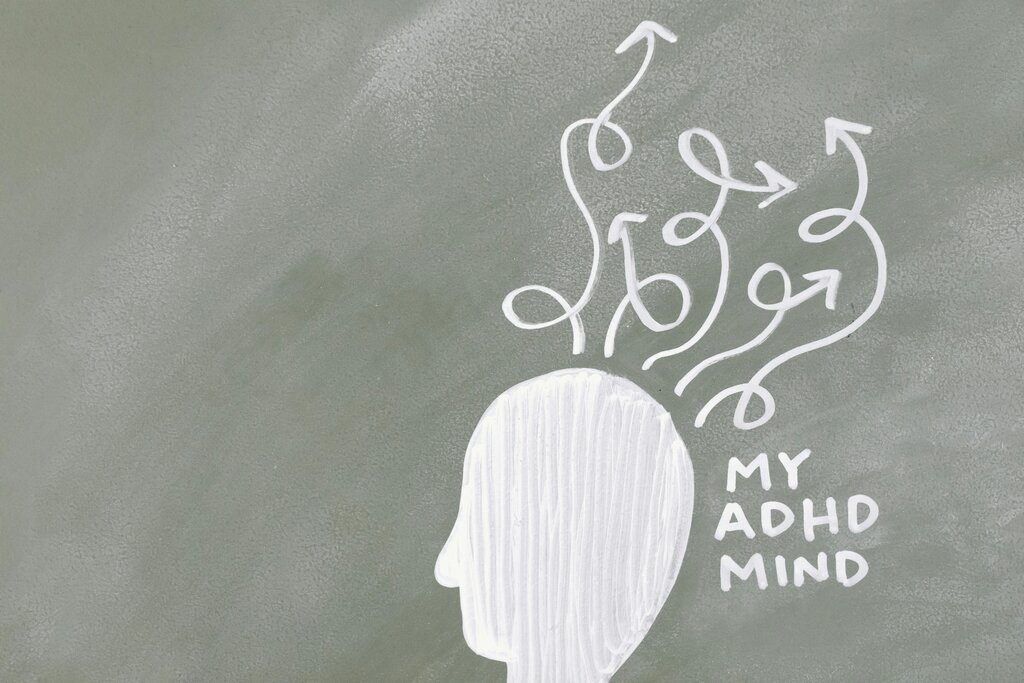
While the outward signs might change—a child who couldn't sit still might become an adult who feels internally restless—the underlying condition remains. In adulthood, hyperactivity often looks less like running around and more like fidgeting, excessive talking, or an inability to relax.
Historically considered a childhood disorder, ADHD is now recognized as a lifelong condition affecting both youth and adults.
The impact of these traits can be significant. In school, a child might struggle to follow lectures or complete assignments. As an adult, this can translate to missed deadlines at work, difficulty managing finances, or challenges in maintaining relationships.
The Three Presentations
ADHD doesn't look the same in everyone. The disorder is generally categorized into three main types, or "presentations," based on which symptoms are most prominent.
- Predominantly Inattentive Presentation: People with this type primarily struggle with attention. They might be easily distracted, forgetful, or have trouble organizing tasks. This presentation was once commonly referred to as ADD.
Because the challenges are less disruptive externally, this type can sometimes be overlooked, especially in girls and women. Someone might be seen as quiet or dreamy rather than as having a neurodevelopmental disorder.
- Predominantly Hyperactive-Impulsive Presentation: This type is marked by an almost constant need to be moving. Individuals may fidget, talk excessively, and act on impulse without thinking through the consequences. They often feel restless and have difficulty sitting still for long periods.
This is the classic image many people have of ADHD, but it's not the only way the condition appears.
- Combined Presentation: As the name suggests, this is when someone has a mix of symptoms from both the inattentive and hyperactive-impulsive categories. This is the most common presentation of ADHD.
Understanding these different presentations is key to recognizing that ADHD is a varied condition that affects individuals in unique ways. It's not just about an inability to focus, but a complex set of challenges that can shape a person's life.