Understanding ADHD and Productivity
Understanding ADHD
What Is ADHD?
Attention-Deficit/Hyperactivity Disorder, or ADHD, is a condition that affects how the brain develops and functions. It's not about being lazy or undisciplined. Instead, it involves the brain's ability to manage attention, control impulses, and regulate activity levels. It starts in childhood and can last a lifetime.
ADHD is a neurodevelopmental disorder characterized by inattention, hyperactivity, and impulsivity.
Think of the brain's executive functions as an air traffic control system. This system helps you plan, prioritize, and execute tasks. In a brain with ADHD, this control system works a bit differently, making it harder to filter out distractions and stay on track. This can affect everything from school and work to personal relationships.
The Core Symptoms
ADHD symptoms generally fall into three main categories. People might experience symptoms from one, two, or all three.
Inattention
noun
Difficulty sustaining focus, staying organized, and following through on tasks.
This goes beyond simple daydreaming. Someone with inattentive symptoms might struggle to pay close attention to details, leading to careless mistakes. They may seem like they aren't listening when spoken to directly. Organizing tasks and activities can feel like an uphill battle, and they might frequently lose things like keys, wallets, or phones.
Hyperactivity
noun
Excessive motor activity or a feeling of inner restlessness.
When you think of hyperactivity, you might picture a child who can't sit still. While that's often true, in teens and adults, it can be more subtle. It might look like fidgeting, tapping hands or feet, or feeling unable to relax. Adults often describe it as an internal restlessness, a mind that won't quiet down.
Impulsivity
noun
Acting on sudden urges without first thinking about the consequences.
This symptom is about a lack of self-control that can show up in different ways. It could be blurting out an answer before a question is finished, having trouble waiting for a turn, or interrupting conversations. It can also lead to bigger decisions made on a whim, like quitting a job or making a large purchase without considering the long-term effects.
Who Has ADHD?
ADHD is one of the most common neurodevelopmental disorders of childhood. While symptoms appear before age 12, the condition often persists into adulthood. Estimates suggest that about 5% of children and 2.5% of adults worldwide have ADHD.
Historically, ADHD has been diagnosed more frequently in boys than in girls. This might be because boys are more likely to show noticeable hyperactive and impulsive behaviors. Girls, on the other hand, may have more inattentive symptoms, which can be less disruptive and easier to overlook. As a result, many girls and women with ADHD go undiagnosed.
Impact on Daily Life
Living with ADHD can be challenging. The core symptoms can interfere with many aspects of life, making it harder to succeed in environments that demand sustained focus, organization, and patience.
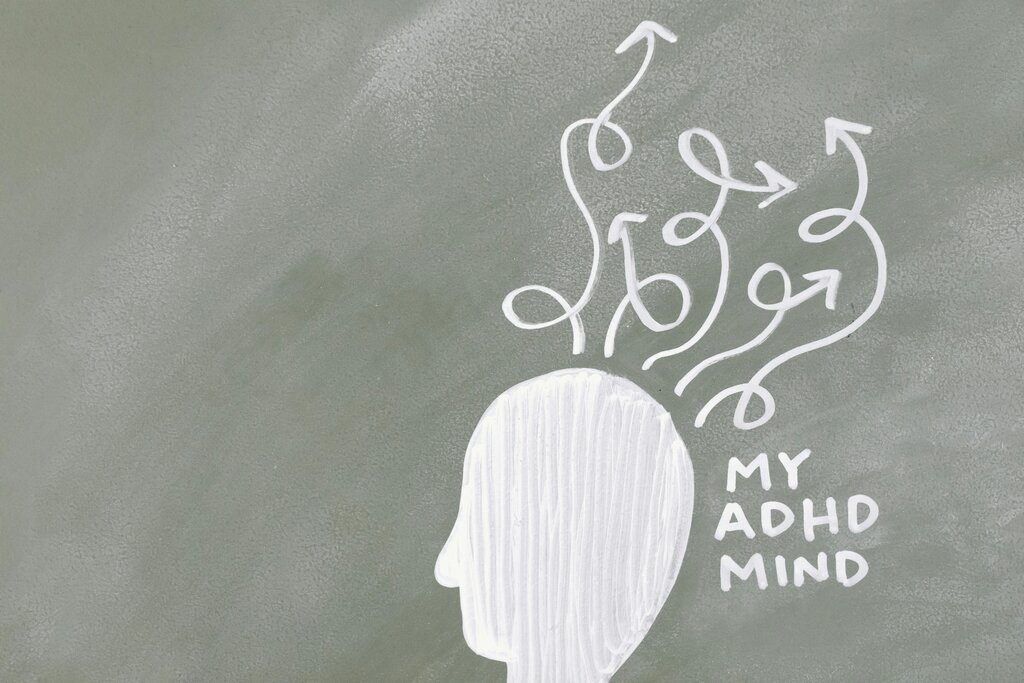
Imagine trying to read a book while a loud TV is on, your phone is buzzing, and someone is calling your name. For someone with ADHD, everyday life can sometimes feel like that.
At school, a student might struggle to follow lectures or complete homework. At work, an adult may find it difficult to meet deadlines, manage complex projects, or stay engaged during long meetings. Socially, symptoms like interrupting or seeming distracted can strain relationships with friends and family.
Over time, these persistent challenges can take a toll on self-esteem and overall quality of life. Understanding that these difficulties stem from a neurodevelopmental difference is the first step toward navigating them.
What is Attention-Deficit/Hyperactivity Disorder (ADHD) primarily characterized as?
A student often misplaces their homework, has a messy backpack, and struggles to plan out a long-term project. Which category of ADHD symptoms does this primarily illustrate?