Understanding ADHD
Introduction to ADHD
What Is ADHD?
Attention-Deficit/Hyperactivity Disorder, or ADHD, is a neurodevelopmental disorder. This means it relates to how the brain grows and develops. It often begins in childhood and can continue into adulthood, affecting how a person pays attention, controls impulses, and manages their energy levels.
ADHD is defined as a persistent pattern of trouble with attention and/or hyperactivity-impulsivity that gets in the way of your daily functioning or development.
It's one of the most common neurodevelopmental conditions in children, and for many, it's a lifelong journey. Understanding ADHD is the first step toward navigating the challenges it can present in school, at work, and in social situations.
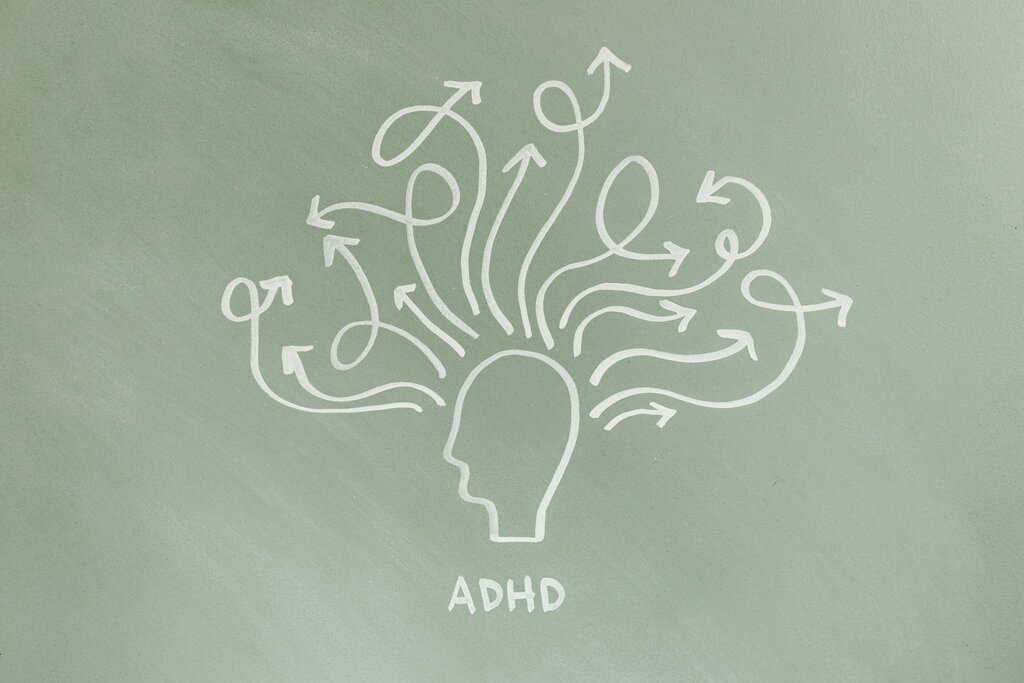
The Three Presentations
ADHD doesn't look the same for everyone. The symptoms fall into two main categories: inattention and hyperactivity-impulsivity. Based on which symptoms are strongest, ADHD is often described in one of three ways, also known as presentations.
| Presentation | Key Characteristics |
|---|---|
| Predominantly Inattentive | Difficulty sustaining attention, following instructions, and organizing tasks. May seem forgetful or easily distracted. |
| Predominantly Hyperactive-Impulsive | Fidgeting, excessive talking, and restlessness. May interrupt others or act without thinking through consequences. |
| Combined | A mix of symptoms from both inattentive and hyperactive-impulsive categories are present. |
It's helpful to think of these as guideposts rather than rigid boxes. A person's symptoms can shift and change over time.
A Lifelong Condition
While ADHD begins in childhood, its symptoms often evolve with age. The classic hyperactivity seen in a young child—like running around a classroom—may fade or change. In an adult, it might look more like a constant feeling of internal restlessness, fidgeting during meetings, or always needing to be busy.
Historically considered a childhood disorder, ADHD is now recognized as a lifelong condition affecting both youth and adults.
Similarly, the challenges of inattention can become more pronounced as responsibilities grow. A child might forget their homework, while an adult might struggle to meet work deadlines, pay bills on time, or manage complex projects. These difficulties can impact academic achievement, career success, and personal relationships.
Why Early Recognition Matters
Recognizing the signs of ADHD is crucial. When the condition is identified, especially early on, individuals can get the support they need to understand their own brains and develop strategies for success.
Understanding ADHD is not about finding an excuse, but about finding an explanation. It provides a framework for navigating life's challenges more effectively.
This understanding helps people move from feeling frustrated or inadequate to feeling empowered. It opens the door to managing symptoms and building on the unique strengths that often come with a neurodiverse mind, like creativity and the ability to think outside the box.
ADHD is classified as which type of disorder?
The core symptoms of ADHD fall into which two main categories?