Understanding Addison's Disease
Adrenal Gland Function
Your Body's Stress Managers
Sitting on top of each kidney are small, triangular-shaped glands called the adrenal glands. Though they're only about the size of the top part of your thumb, they're powerhouses. They produce hormones that regulate some of your body’s most important functions, from metabolism to your immune system, and even how you handle stress.
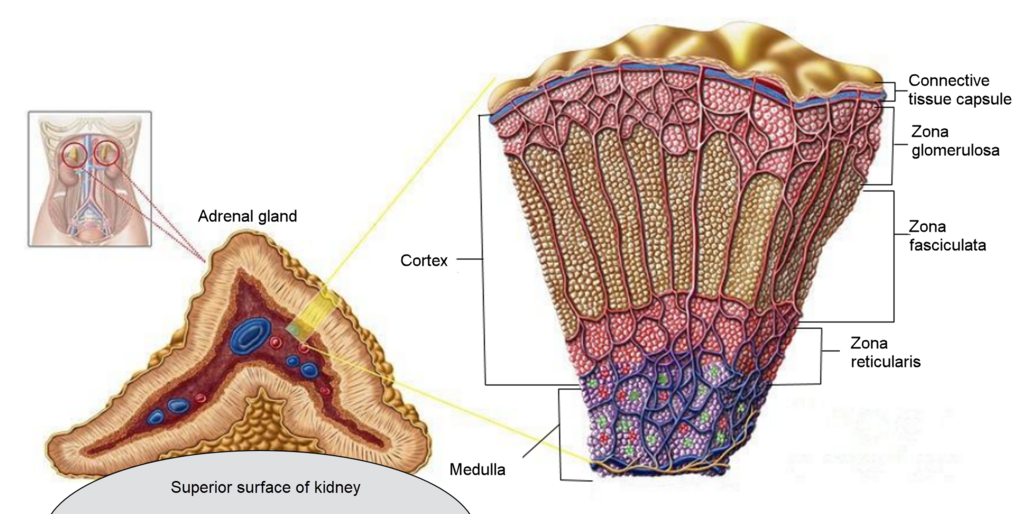
Each adrenal gland has two distinct parts. The outer part is the adrenal cortex, and the inner part is the adrenal medulla. Think of it like a piece of fruit: the cortex is the fleshy part, and the medulla is the core. These two parts produce different sets of hormones with very different jobs.
The Adrenal Cortex
The adrenal cortex is responsible for making a group of steroid hormones called corticosteroids. We'll focus on two of the most critical ones: cortisol and aldosterone.
Cortisol is often called the body's primary "stress hormone." It's essential for managing your body's use of fats, proteins, and carbohydrates. It also helps suppress inflammation, regulate your blood pressure, and control your sleep-wake cycle.
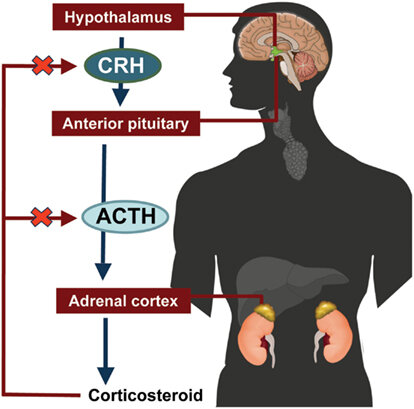
When your body perceives a threat, a complex chain of signals starts in your brain. This system, known as the hypothalamic-pituitary-adrenal (HPA) axis, ends with the adrenal glands releasing cortisol. This gives you a burst of energy and heightened focus to deal with the situation.
Aldosterone, on the other hand, is all about balance. Its main job is to regulate blood pressure by managing the levels of salt and water in your body. It signals the kidneys to absorb more sodium into the bloodstream and release potassium into the urine. Where sodium goes, water follows, which helps maintain blood volume and pressure.
The Adrenal Medulla
The inner adrenal medulla is responsible for your body's rapid, short-term stress response, often called the "fight-or-flight" reaction. It produces hormones like adrenaline (also called epinephrine) and noradrenaline (norepinephrine).
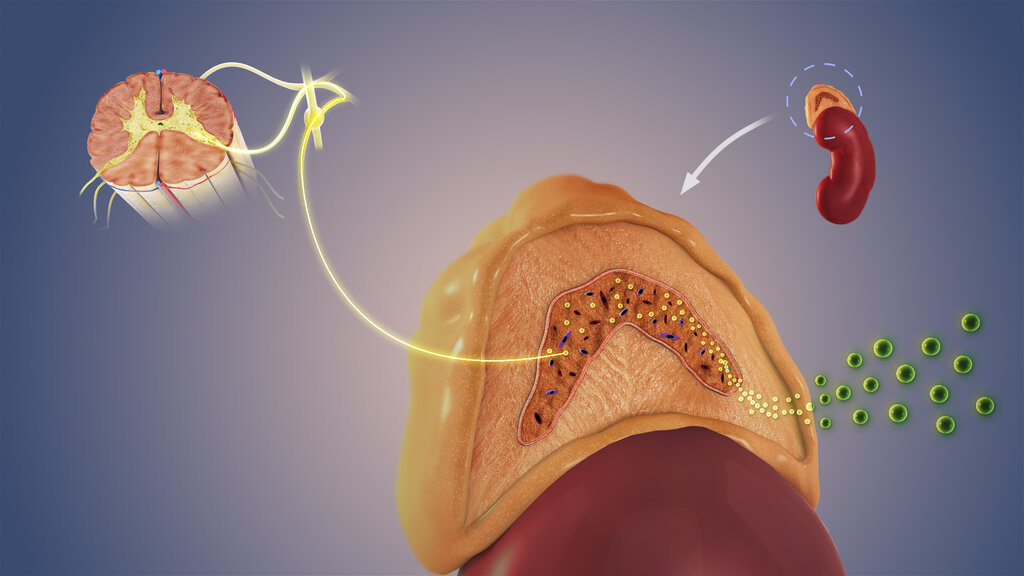
When you're faced with a sudden scare or excitement, the adrenal medulla pumps out adrenaline. This increases your heart rate, sends more blood to your muscles and brain, and helps convert glycogen to glucose in the liver for a quick energy boost. It's an instant, powerful reaction designed to help you survive a perceived danger.
Each adrenal gland is composed of two distinct parts. What are they called?
What is the primary function of the hormone aldosterone, which is produced by the adrenal cortex?
Together, the cortex and medulla ensure your body can manage both long-term and short-term challenges, keeping you stable and ready for whatever comes your way.