Understanding Addiction
Understanding Addiction
What is Addiction?
Addiction is a complex condition, a chronic disease that affects brain function and behavior. It's not a moral failing or a sign of weakness. At its core, addiction is characterized by the compulsive pursuit of a substance or behavior, despite harmful consequences. Someone struggling with addiction loses control, prioritizing the drug or activity above all else, including family, work, and their own well-being.
Think of it like this: for most people, having a glass of wine with dinner is a choice. For someone with an alcohol addiction, that choice feels less like a choice and more like a necessity. The brain's reward system has been rewired, creating an intense craving that's difficult to ignore. This rewiring is why simply deciding to stop often isn't enough.
Addiction
noun
A chronic, relapsing disorder characterized by compulsive drug seeking, continued use despite harmful consequences, and long-lasting changes in the brain.
This condition doesn't just appear overnight. It develops over time through a combination of factors that we will explore later. What's important to grasp now is that it's a recognized medical disorder with profound effects on an individual's life.
Key features of addiction include a loss of control, continued use despite negative outcomes, and powerful cravings.
Prevalence and Impact
Addiction is more common than many people realize. It affects people from all walks of life, regardless of age, race, or socioeconomic status. According to the National Survey on Drug Use and Health, millions of Americans struggle with a substance use disorder.
But the numbers only tell part of the story. The ripple effects of addiction are vast. For the individual, it can lead to serious health problems, including liver disease, heart conditions, and infectious diseases. It can also cause financial ruin, legal troubles, and damaged relationships.
Society bears a heavy burden as well. The costs are staggering, encompassing healthcare expenses for treating addiction and its related illnesses, lost productivity in the workplace, and the expenses of the criminal justice system. Families are often torn apart, and communities can be destabilized by the widespread impact of substance misuse. The opioid crisis, for example, has had a devastating effect on countless communities across the country.

Types of Addictions
When we think of addiction, drugs and alcohol often come to mind first. These are known as substance addictions. However, people can also develop addictions to behaviors and activities. These are called process or behavioral addictions.
The underlying brain mechanisms can be surprisingly similar. Both types of addiction involve the compulsive pursuit of a rewarding stimulus that leads to significant problems in a person's life.
| Category | Examples |
|---|---|
| Substance Addictions | Alcohol, Nicotine (tobacco, vaping), Opioids (heroin, fentanyl), Stimulants (cocaine, methamphetamine), Cannabis, Hallucinogens (LSD, psilocybin), Prescription medications |
| Behavioral Addictions | Gambling, Gaming, Internet/Social Media, Shopping, Sex, Exercise |
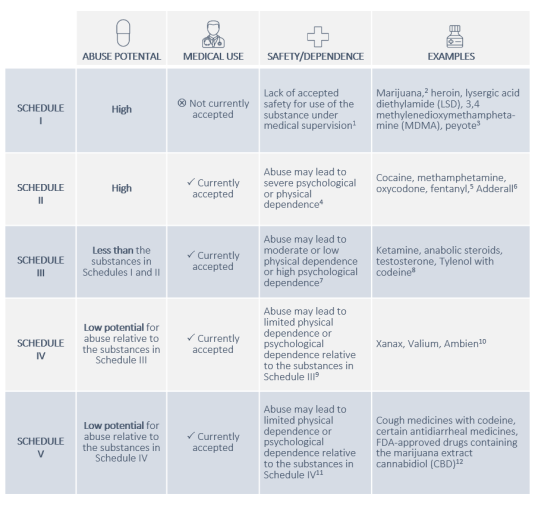
Governments regulate many addictive substances based on their potential for abuse and their accepted medical use. In the United States, the Controlled Substances Act classifies drugs into five "schedules."
It's important to note that not everyone who uses a substance or engages in a potentially addictive behavior will develop an addiction. The transition from casual use to addiction is a complex process influenced by many factors.
For now, understanding the broad scope of what addiction can encompass—from a chemical substance to a repetitive behavior—provides a crucial foundation. It highlights that the core issue is the compulsive, uncontrollable nature of the behavior, not just the specific substance or activity involved.