Understanding Acoelomates
Introduction to Body Cavities
The Space Within
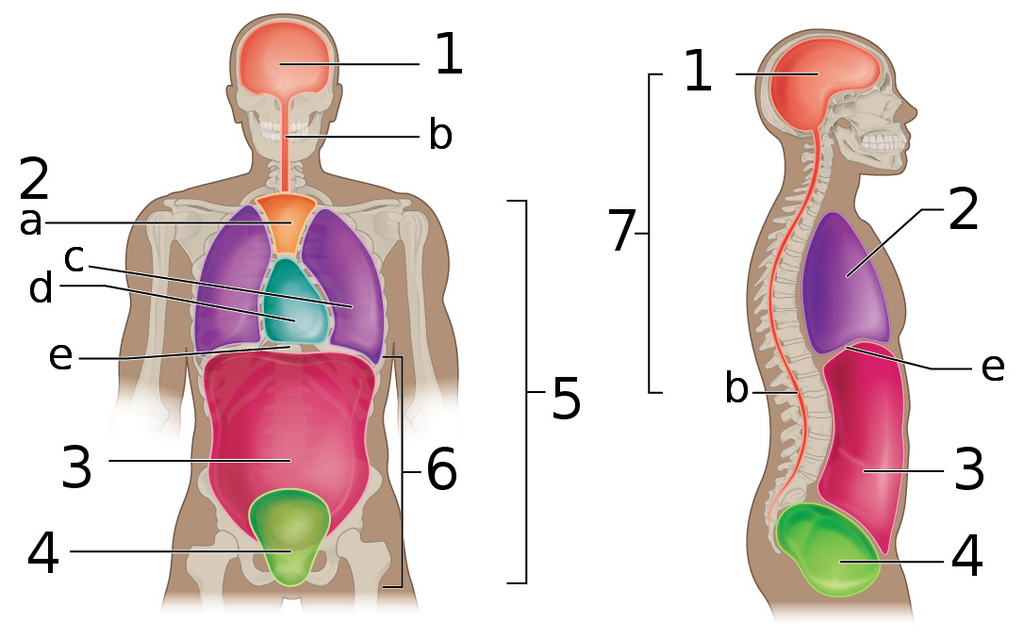
Most complex animals, from tiny worms to humans, aren't just solid masses of cells. Inside our bodies, there's an internal, fluid-filled space that separates the digestive tract from the outer body wall. This space is called a body cavity.
coelom
noun
A fluid-filled body cavity that is completely lined by tissue derived from the mesoderm, one of the three primary germ layers in an embryo.
Think of the coelom like the main compartment of a backpack. The backpack's outer fabric is the body wall, and the items inside—books, a water bottle, a laptop—are the organs. The empty space around the items is the coelom. This space isn't just empty, though. It's filled with fluid that serves several crucial purposes.
The coelom cushions organs from shock, allows them to grow and move independently of the body wall, and can even act as a hydrostatic skeleton in some animals.
How a Coelom Forms
To understand the coelom, we have to go back to the very beginning of an animal's life: the embryonic stage. As an embryo develops, its cells organize into three fundamental layers called germ layers.
- Ectoderm: The outermost layer, which develops into the skin and nervous system.
- Endoderm: The innermost layer, forming the lining of the digestive tract and associated organs.
- Mesoderm: The middle layer, which gives rise to muscles, bones, the circulatory system, and the lining of the body cavity.
The coelom is a space that forms within the mesoderm. This is a key detail. A true coelom is completely enclosed by tissue that originated from this middle germ layer.
Three Ways to Build a Body
Not all animals have a true coelom. Based on the presence and structure of their body cavity, animals are grouped into three categories. This classification reflects fundamental differences in their body plans.
1. Coelomates These animals have a true coelom. The cavity is fully lined by mesoderm tissue, which covers the organs and connects them to the body wall with membranes called mesenteries. This structure provides strong support and organization for the internal organs. Vertebrates, including humans, are coelomates.
2. Pseudocoelomates These animals have a "false" coelom, called a pseudocoel. This body cavity is only partially lined by mesoderm. The mesoderm lines the outer body wall, but it does not line the gut. This means the organs are not as well-supported and are held more loosely within the cavity. Roundworms are a common example.
3. Acoelomates The prefix "a-" means "without," so acoelomates are animals without a coelom. The region between their digestive tract and body wall is completely filled with mesoderm tissue. This results in a solid, compact body structure. Flatworms are classic acoelomates.
Understanding these different body plans is more than just an exercise in classification. The presence and type of coelom profoundly affect how an animal moves, how its organs function, and how it circulates nutrients and removes waste. It's a fundamental aspect of animal architecture that sets the stage for a wide diversity of life forms.