Understanding Academic Leadership and Governance
University Governance Hierarchy
The University Structure
A university's governance structure often looks like a hybrid between a corporation and a unique academic ecosystem. At the very top sits a governing body, typically called the Board of Trustees or Board of Regents. This group is the ultimate legal authority for the institution. Think of them as the board of directors for a major company.
Members of the board are not involved in day-to-day campus life. Instead, they operate at a 30,000-foot view, focusing on the university's long-term health and mission. Their primary responsibilities include appointing the university president, approving the annual budget, setting major policies, and ensuring the institution remains financially solvent. They are fiduciaries, entrusted with protecting the university's assets and legacy for future generations.
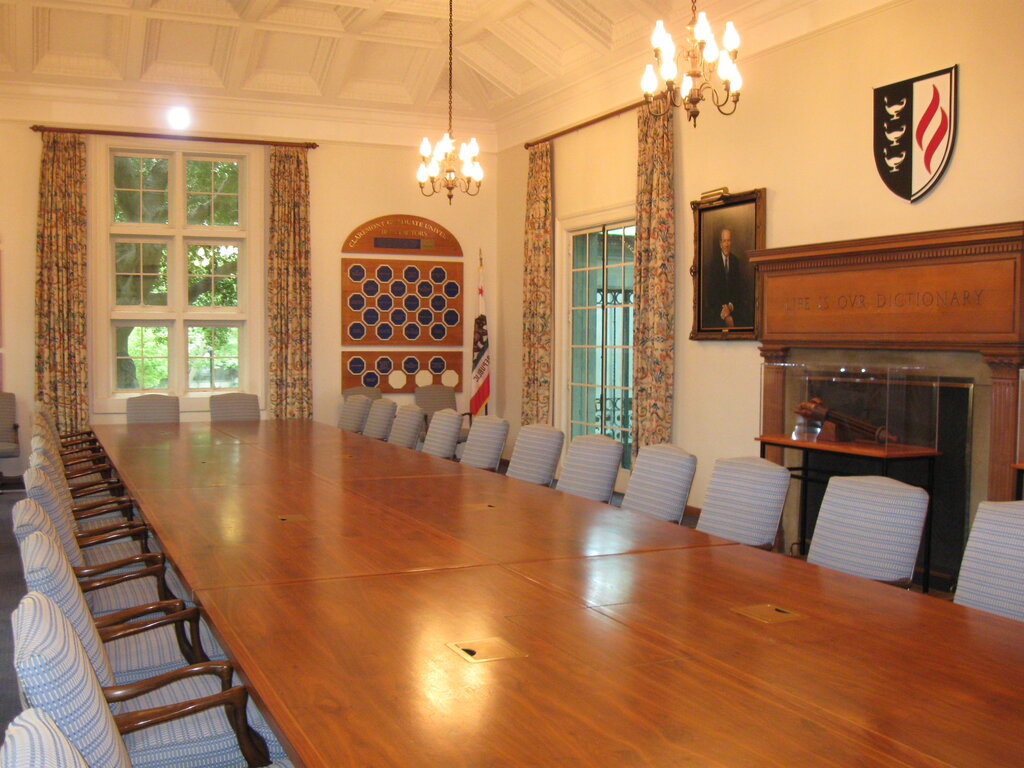
Executive Leadership
Reporting directly to the board is the university's executive leadership. The President or Chancellor acts as the chief executive officer of the institution. They are the public face of the university, responsible for executing the board's vision, leading fundraising efforts, and managing relationships with government, alumni, and the community.
Working alongside the President is the , who serves as the chief academic officer. If the President is the CEO, the Provost is the chief operating officer for all things academic. They oversee faculty hiring and promotion, curriculum development, research initiatives, and all academic programs. The deans of the university's various colleges and schools report directly to the Provost, making this role the central hub for the entire educational mission.
Two Halves of the Whole
To understand where a dean fits, it's helpful to see the university as having two distinct but interconnected parts: administrative units and academic units.
Central Administration encompasses the operational side of the university. This includes departments like Finance, Human Resources, Information Technology, Facilities Management, and Student Affairs. These units are 'centralized' because they serve the entire university, ensuring the lights stay on, payroll is met, and campus infrastructure is maintained. They are led by vice presidents or other senior administrators who typically report to the President.
On the other side are the , the core of the institution's mission. These are the colleges, schools, and departments where teaching and research happen. A large university might have a College of Arts and Sciences, a School of Engineering, a School of Business, and so on. This structure is 'decentralized,' with each unit having a degree of autonomy over its specific academic programs and faculty. Each of these major academic units is led by a Dean.
The Dean, therefore, occupies a critical middle-management role. They are the chief executive of their specific college or school. They report up the chain of command to the Provost, representing their college's needs and interests to the university's central leadership. At the same time, they manage the heads or chairs of the individual departments within their college, who in turn manage the faculty. This makes the Dean a vital link, translating high-level university strategy into academic reality at the departmental level.
| Role | Primary Responsibility | Reports To |
|---|---|---|
| Board of Trustees | Fiduciary oversight, mission, hiring the President | N/A (Top Authority) |
| President | Overall university vision, fundraising, external relations | Board of Trustees |
| Provost | All academic affairs, faculty, research | President |
| Dean | Leadership of a specific college or school | Provost |
| Department Chair/Head | Management of a specific academic department | Dean |
Understanding these reporting lines and the distinction between central and academic administration is key. It defines the Dean's sphere of influence, their resources, and the constraints they operate within as they lead their part of the university.
Who holds the ultimate legal authority and fiduciary responsibility for a university?
In the university hierarchy, a Dean typically reports directly to the ________.