Understanding ABE 48
Introduction to Biomass Energy
What Is Biomass?
At its core, biomass is any organic material that comes from plants and animals. Think of it as nature's battery. Plants capture the sun's energy through photosynthesis, and that energy is stored in their leaves, stems, and roots. When we use biomass for energy, we're releasing that stored solar energy.
This includes a huge range of materials: wood from forests, leftover stalks from a corn harvest, specific crops grown for energy, and even the organic parts of your household trash. Because we can always grow more plants, biomass is considered a renewable resource. It's a key player in the shift away from fossil fuels.
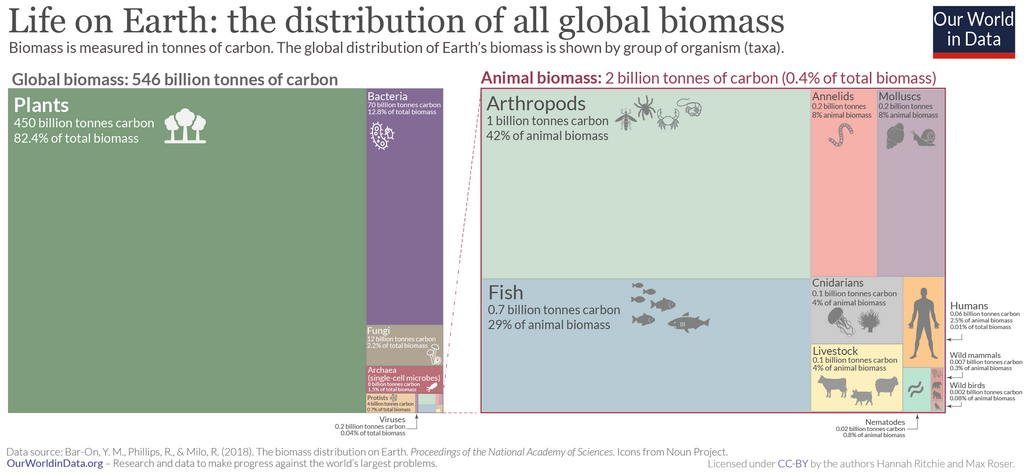
One of the most important aspects of biomass is its role in the carbon cycle. When plants grow, they absorb carbon dioxide (CO₂) from the atmosphere. When biomass is used for energy—for example, by burning it—that same amount of CO₂ is released back. In theory, this creates a balanced, or "carbon-neutral," cycle, unlike fossil fuels, which release carbon that has been locked away for millions of years.
Types of Biomass Resources
Biomass isn't a single thing; it comes from many different sources. We can group these resources into a few main categories.
Each of these sources has unique characteristics. Forestry and agricultural residues are often by-products of other industries, making them an efficient resource. Energy crops, on the other hand, are grown specifically for their fuel value. They are often fast-growing and can be cultivated on land not suitable for food crops.
Biomass in the Energy Landscape
So where does biomass fit in with other renewables like solar and wind? One of its key advantages is that it's "dispatchable," meaning it can be used to generate energy on demand, 24/7. The raw material can be stored and used whenever power is needed, providing a stable and reliable energy source that can complement more intermittent renewables.
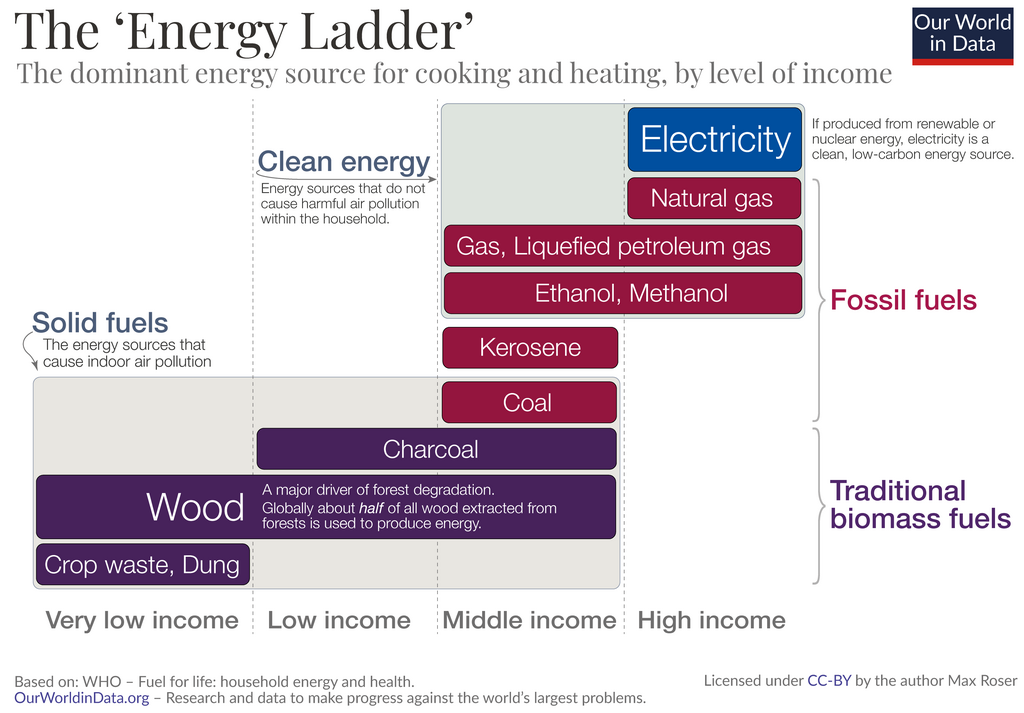
While modern technologies are making biomass cleaner and more efficient, it's actually one of the oldest energy sources used by humanity. From the first wood-fueled fires for cooking and warmth to today's advanced power plants, biomass has been a constant part of our energy story. The challenge now is to use it in a way that is truly sustainable and helps build a cleaner energy future.
Let's review what we've covered about the fundamentals of biomass.
What is the original source of the energy stored in biomass?
Why is biomass considered a 'carbon-neutral' energy source in theory?
Understanding what biomass is and where it comes from is the first step. Next, we'll explore how these varied organic materials are converted into useful energy.