Understanding a Research Model
Understanding the Paper's Structure
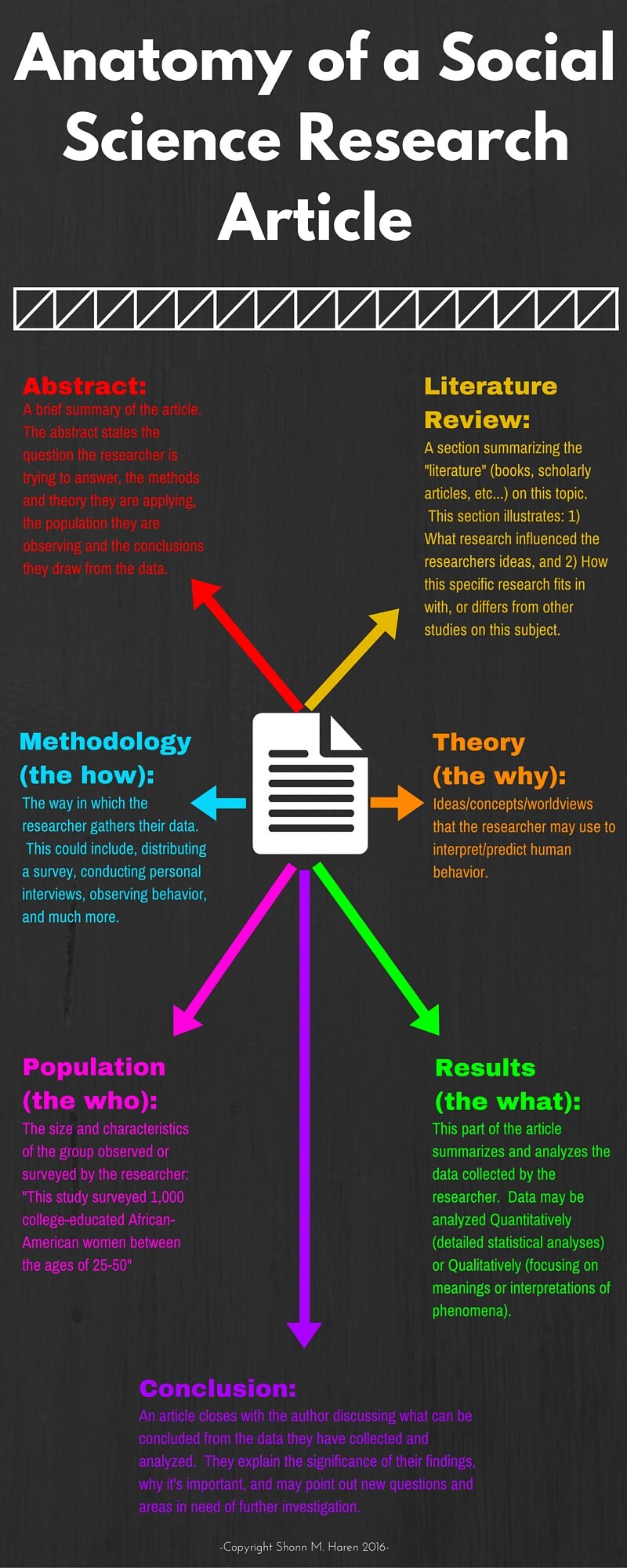
The Anatomy of a Research Paper
Academic articles can feel intimidating, but they almost always follow a predictable pattern. Think of it as a blueprint. Once you understand the layout, you can navigate any paper with confidence, quickly finding the information you need.
Most research papers, especially in the sciences, follow a structure called IMRaD: Introduction, Methodology, Results, and Discussion. Let's walk through each part.
Abstract: The Executive Summary
The abstract is a compact summary of the entire article. It’s usually about 150-250 words and appears right at the beginning. Reading the abstract is the quickest way to understand the paper's purpose, methods, key findings, and main conclusions.
Always start with the abstract. It helps you decide if the full paper is worth your time.
Introduction: Setting the Stage
The introduction provides the background for the research. It explains why the study is important by summarizing what is already known about the topic and pointing out what is still unknown. This section funnels down from a broad topic to the specific research question or hypothesis the authors are investigating.
Essentially, it answers the question: "Why did we do this research?"
Methodology: The Recipe
The methodology section, sometimes called "Methods," is the technical part of the paper. It describes exactly how the study was conducted. Think of it as a recipe. It should provide enough detail that another researcher could replicate the experiment or study.
This section covers the materials used, the participants involved, and the step-by-step procedures that were followed. It answers the question: "What did we do?"
Results: Just the Facts
Here, the authors present the data they collected. The results section is a straightforward report of the findings, without any interpretation or explanation of their meaning. It often includes tables, graphs, and figures to display the data clearly.
This is the most objective part of the paper. It simply answers the question: "What did we find?"
Discussion and Conclusion
In the discussion section, the authors interpret their findings. They explain what the results mean and how they relate back to the original research question. This is where they analyze their data, connecting it to the existing body of knowledge mentioned in the introduction.
The authors will also acknowledge any limitations of their study and often suggest directions for future research. The paper usually ends with a brief conclusion that summarizes the study's main takeaways. Together, these sections answer the question: "So what?"
Now that you know the basic structure, let's test your knowledge.
What is the primary purpose of the abstract in an academic article?
Which section of a research paper answers the question, "Why was this study conducted?" by providing background and stating the research problem?
Understanding this structure transforms how you read academic papers, turning a dense document into a navigable map.