Undefined Building Project
Understanding Product Development
What Is Product Development?
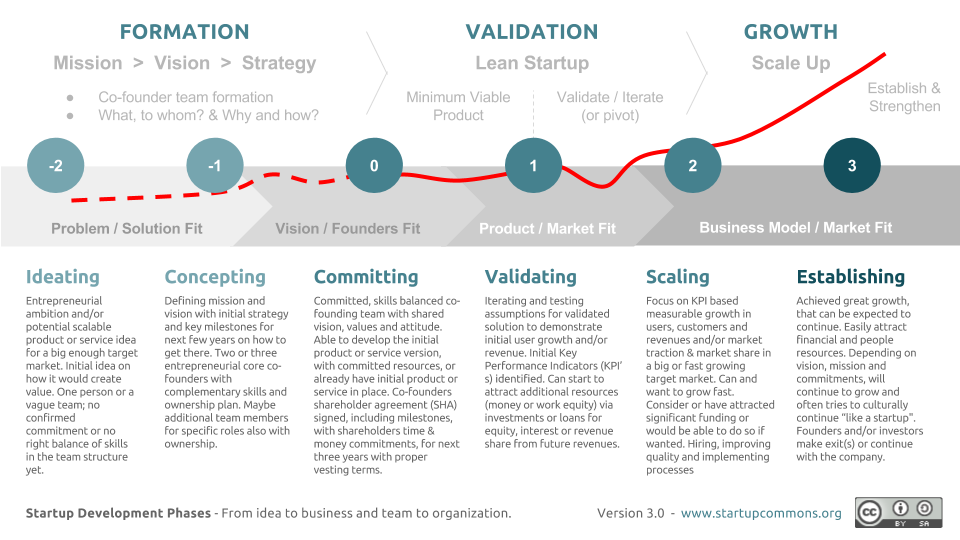
Product development is the entire process of bringing a product to market. It starts with a simple idea and ends with a finished item available for people to buy and use. Think of it as a roadmap that guides a concept from a sketch on a napkin to a tangible object in your hands. This journey isn't just a single leap of creativity; it's a series of structured steps.
At its core, product development is a holistic, cross-disciplinary process for taking an idea from concept through to lasting market success.
Every product you use, from your phone to your toothbrush, went through some form of this process. The goal is to create something that people want or need, and to do it in a way that makes sense for the business creating it. The process is typically broken down into several stages, ensuring that ideas are properly vetted, designed, and refined before they become a reality.
Finding Your Starting Point
The most successful products solve a real problem. Before you can build anything, you need to identify a need or an opportunity in the market. This is the foundation of the entire development process. Without a clear problem to solve, you're just creating a solution in search of a problem.
So, where do you look? Pay attention to the world around you. Listen to what people complain about. Notice inefficiencies in everyday tasks. What frustrates you or the people you know? These pain points are often seeds for great product ideas. Market research can be as simple as observing daily life or as complex as analyzing industry trends and competitor weaknesses.
The best product ideas don't come from a vacuum. They come from a deep understanding of a problem.
Think about wheeled luggage. Before the 1970s, travelers had to carry heavy suitcases through airports. The problem was obvious: luggage was cumbersome. The opportunity was to make it easier to transport. The solution, adding wheels, seems simple now, but it was born from identifying a widespread frustration.
market opportunity
noun
A situation where a new product or service can be introduced to fulfill an unmet need or solve a problem for a particular group of customers.
From Problem to Product Idea
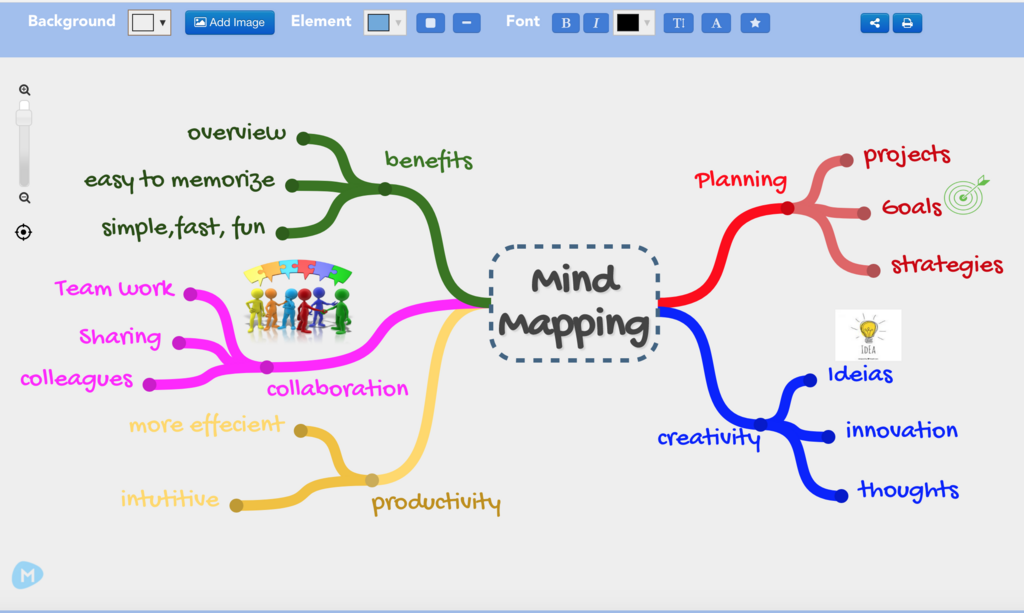
Once you've identified a need, the next step is to brainstorm potential solutions. This is the conceptualization phase, where you turn a problem into a tangible product idea. It's a creative process where you should explore a wide range of possibilities without judgment. Techniques like mind mapping or simply listing every possible solution can help generate a pool of ideas.
Let's say the problem is that people's house plants often die because they forget to water them. Your brainstorming might lead to ideas like:
- A pot that waters itself.
- A soil moisture sensor that sends an alert to your phone.
- An app that sends watering reminders.
- A subscription service for low-maintenance plants.
At this stage, the goal is quantity over quality. You can refine and filter these ideas later. For now, you're just exploring the landscape of possible solutions.
Shaping the Initial Design
After brainstorming, you'll select the most promising idea to move forward with. Now it's time to start thinking about the initial design. This isn't about detailed engineering schematics yet. It's about defining the core features and functionality of the product. What will it do? Who is it for? What will it look like?
This is where you define your value proposition: the unique value your product delivers to the customer. For the self-watering pot, the value proposition is convenience and peace of mind for plant owners.
Consider the user experience from the very beginning. A product that solves a problem but is difficult or unpleasant to use is not a good solution.
Key questions to answer during this initial design phase include:
- Core Functionality: What is the absolute minimum the product must do to solve the problem? This is often called the Minimum Viable Product (MVP).
- Target User: Who are you building this for? A busy professional? A novice plant owner? A collector? The design choices will change for each group.
- Form and Aesthetics: What is the general look and feel? Should it be sleek and modern, or rustic and earthy?
Answering these questions creates a clear brief that will guide the more detailed design and development stages that follow. It establishes a vision for the product before you get into the complexities of actually building it.
What is the foundational first step in the product development process?
During the initial brainstorming phase, the primary goal is to generate a high quantity of ideas, rather than focusing on the quality of each one.
This first part of the journey, from identifying a need to sketching out an initial design, sets the foundation for everything to come. It's about ensuring you're solving the right problem for the right people.