Uncovering the Depth of Black History
Woodson's Intellectual Insurgency
An Idea Born in Chicago
In 1915, thousands of African Americans traveled to Chicago for the Lincoln Jubilee, a celebration marking the 50th anniversary of emancipation. The exhibits showcased Black progress in art, business, and culture. A young Harvard-trained historian named Carter G. Woodson was there, and he saw something powerful: a deep hunger among Black Americans to see their own stories and achievements recognized as a vital part of the nation's history.
At the time, the dominant historical narrative was the “Lost Cause,” an ideology that romanticized the Confederacy and portrayed slavery as a benign institution. Textbooks often depicted African Americans as passive, inferior, or simply absent from the country's development. Woodson recognized this wasn't just bad history; it was dangerous. He believed that the systematic erasure of Black contributions from the classroom fueled the racial violence plaguing the country.
Woodson argued that if you could control a person's thinking, you wouldn't have to worry about their actions. For him, the battle for civil rights had to be fought on an intellectual front.
Building a Foundation
Inspired by the Jubilee, Woodson co-founded the Association for the Study of Negro Life and History (ASNLH) that same year. Its mission was to research, preserve, and promote the history of Black people. This wasn't a casual endeavor. It was a scholarly insurgency against the prevailing historical establishment.
A year later, in 1916, the ASNLH launched its primary weapon: the Journal of Negro History. This peer-reviewed academic journal was designed to build a scientific foundation for Black studies. It published rigorous, evidence-based articles that directly challenged the racist and inaccurate accounts found in mainstream history books. By creating a body of credible scholarship, Woodson and his colleagues provided the intellectual ammunition for a new narrative.
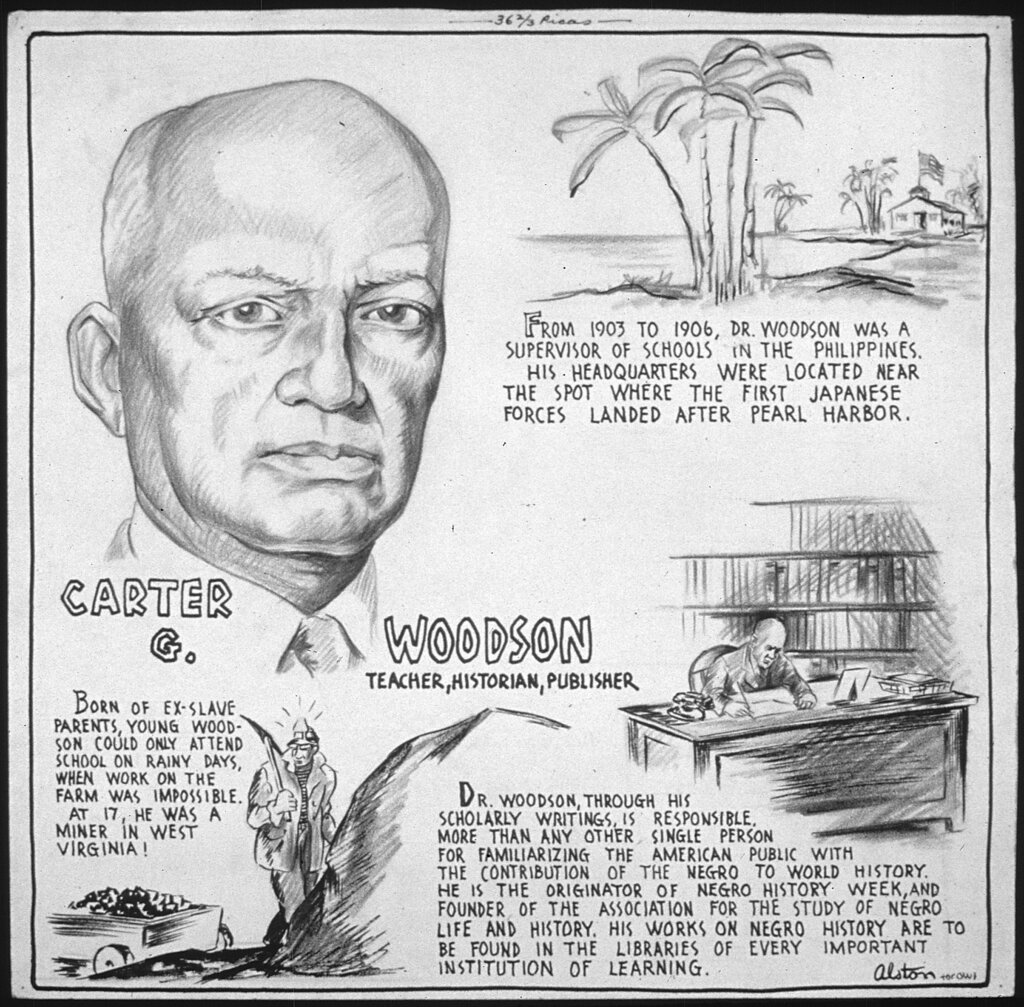
Woodson's vision extended beyond just chronicling the lives of famous individuals. He wanted to shift the focus from a
A Strategic Intervention
In 1926, the ASNLH launched its most ambitious project: Negro History Week. This was far more than a simple celebration. Woodson saw it as a direct intervention, a way to infiltrate school curricula and public consciousness. He famously stated his belief that true change starts with education.
“If a race has no history, it has no worthwhile tradition, it becomes a negligible factor in the thought of the world, and it stands in danger of being exterminated.”
The choice of February was a brilliant strategic move. It piggybacked on existing celebrations for the birthdays of Abraham Lincoln and Frederick Douglass, which were already important dates in Black communities. Woodson's goal was to reform these observances, transforming them from a celebration of two “great men” into a broader recognition of a people's collective history and struggle for freedom.
Known today as the Association for the Study of African American Life and History (ASALH), the group sponsored a national Negro History Week in 1926, choosing the second week of February to coincide with the birthdays of Abraham Lincoln and Frederick Douglass.
The week was a massive success. The ASNLH supplied study materials, lesson plans, and historical pictures to schools, churches, and civic groups, empowering communities to teach their own history accurately.
From a Week to a Month
The idea spread rapidly. Mayors and governors across the country began issuing proclamations recognizing Negro History Week. The Black press played a crucial role, promoting the event and publishing articles on historical figures and events. What began as an academic project became a nationwide cultural movement.
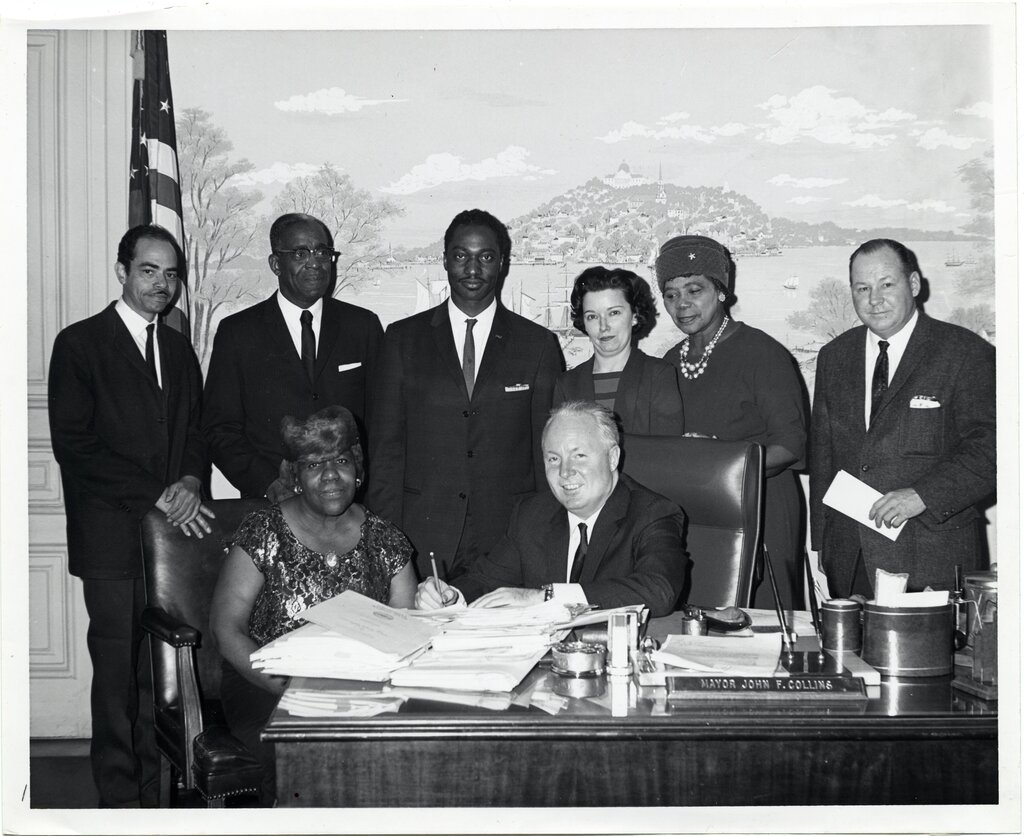
By the late 1960s, fueled by the energy of the Civil Rights and Black Power movements, colleges and universities began expanding the week into a month-long observance. The momentum was undeniable.
Finally, in 1976, during the nation's bicentennial, President Gerald Ford officially recognized Black History Month. He urged Americans to “seize the opportunity to honor the too-often neglected accomplishments of Black Americans in every area of endeavor throughout our history.” Woodson's vision, born from an exhibition in Chicago decades earlier, had become a permanent fixture in the American calendar.
Check your understanding of the key ideas behind Black History Month.
What 1915 event, marking the 50th anniversary of emancipation, inspired Carter G. Woodson to establish an organization dedicated to Black history?
What was the primary purpose of the Journal of Negro History, founded by the ASNLH in 1916?
Woodson's work created a lasting framework for understanding that history is not just a record of the past, but a powerful force that shapes the present.