Uncover Your Ancestry Build a Family Tree
Introduction to Family Trees
What is a Family Tree?
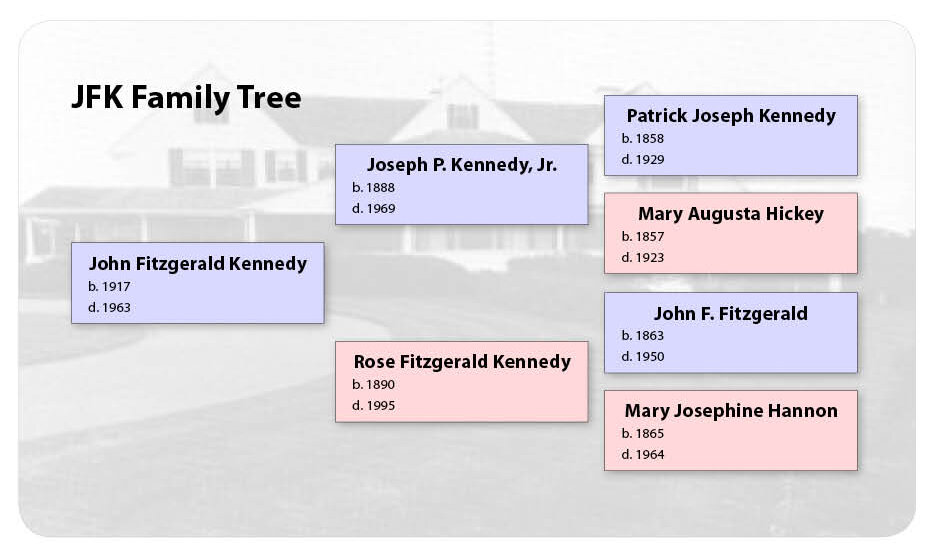
A family tree is a chart that shows relationships within a family over several generations. Think of it like a map of your personal history. It starts with one person—or a couple—and branches out to show their ancestors, descendants, or both. Its main purpose is to visually organize your lineage, making it easy to see how everyone is connected.
Tracing your lineage is more than just collecting names and dates. It’s about uncovering the stories that make up your heritage. Who were your ancestors? Where did they live? What were their lives like? Answering these questions helps you understand your own identity and preserves your family's unique history for future generations to explore.
Each branch represents a different line of your family, and together they tell a story of survival, migration, and connection through time.
A family tree is your personal history book, with each branch telling a unique part of your story.
Different Ways to Chart Ancestry
While the idea is simple, there are several ways to structure a family tree. The format you choose often depends on what you want to show. Two of the most common types are pedigree charts and ahnentafel charts.
A pedigree chart is the most recognizable format. It starts with one individual and traces their direct ancestors backward in time. You are at the root, and the branches extend to your parents, then your grandparents, great-grandparents, and so on. This chart is excellent for focusing purely on your direct bloodline.
| Number | Relationship |
|---|---|
| 1 | You |
| 2 | Father |
| 3 | Mother |
| 4 | Paternal Grandfather |
| 5 | Paternal Grandmother |
| 6 | Maternal Grandfather |
| 7 | Maternal Grandmother |
| 8 | Paternal Great-Grandfather |
An ahnentafel chart is a numbering system that achieves the same goal but in a list format. "Ahnentafel" is a German word that means "ancestor table." It starts with you as number 1. Your father is number 2, your mother is 3, your paternal grandfather is 4, and so on.
This system is very space-efficient and makes it easy to calculate relationships. Any person's father is their number doubled (e.g., your mother is #3, her father is #6). A person's mother is their number doubled plus one (your mother #3, her mother is #7).
The Benefits of Knowing Your Roots
Building a family tree is a rewarding process. One of the greatest benefits is the chance to connect with relatives, both close and distant. Sharing stories and information can strengthen family bonds and help you find relatives you never knew you had.
It's also a journey of discovery. You might uncover fascinating stories about your ancestors' lives—where they came from, the challenges they faced, and the legacies they left behind. These personal histories provide a deep sense of connection to the past and a richer understanding of your own place in the world.
Genealogy is the adventure of learning your ancestry.
Ultimately, a family tree is more than just a chart. It is a testament to your family's journey and a valuable heirloom to pass down.