Uncover Business Contacts for Property Tax Outreach
Understanding Industrial Manufacturing
What Is Industrial Manufacturing?
At its heart, industrial manufacturing is the process of turning raw materials into finished goods on a massive scale. Think of it as the engine room of the economy. It’s where raw materials like steel, plastic, and chemicals are transformed into the products we use every day, from the cars we drive to the phones in our pockets.
This isn't small-scale crafting. Industrial manufacturing relies on machinery, assembly lines, and large facilities, often called plants or factories, to produce goods efficiently and in large quantities. The scope is vast, covering everything from highly automated robotic assembly to complex chemical processing.
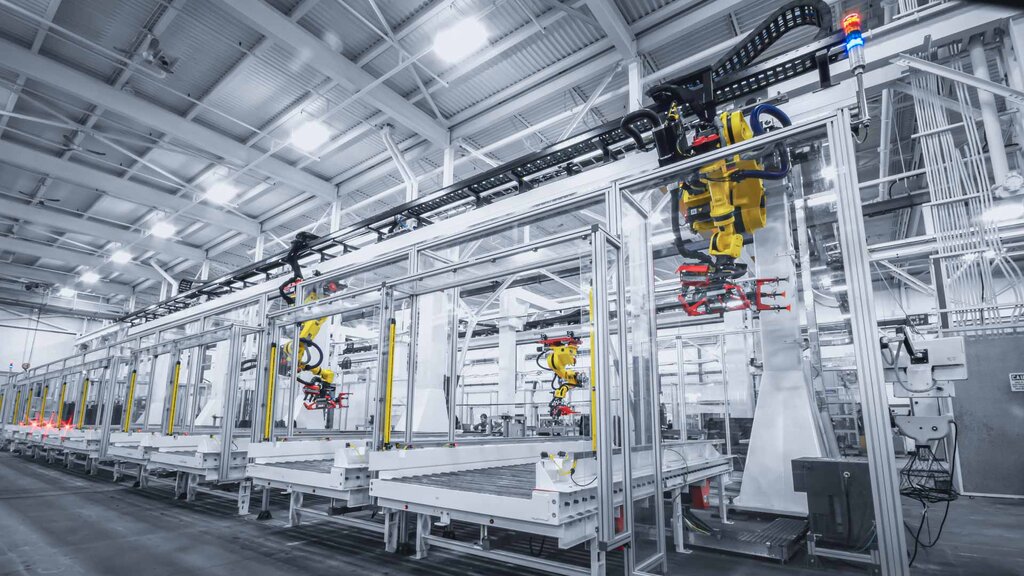
The Building Blocks of Industry
The manufacturing world isn't a single entity. It’s a collection of specialized sectors, each with its own unique processes and products. Understanding these sectors helps clarify where different companies fit into the larger industrial landscape.
| Sector | What They Make (Examples) |
|---|---|
| Automotive | Cars, trucks, motorcycles, and their parts |
| Aerospace & Defense | Airplanes, satellites, missiles, and navigation systems |
| Food & Beverage | Packaged foods, soft drinks, and canned goods |
| Chemicals | Plastics, fertilizers, pharmaceuticals, and soaps |
| Electronics | Computers, smartphones, semiconductors, and televisions |
| Heavy Machinery | Construction equipment, farm tractors, and factory machines |
While these categories seem distinct, many manufacturers work across several sectors. For example, a chemical company might produce the plastics used by an automotive manufacturer, which in turn sells vehicles to a food and beverage company for its delivery fleet.
Titans of Industry
Within each sector, there are major players whose operations span the globe. These companies are often household names. Think of General Motors in the automotive space, Boeing in aerospace, Procter & Gamble in consumer goods (which relies heavily on chemical manufacturing), and Intel in electronics.
These large manufacturers are the anchors of complex supply chains. They don't work alone. They rely on a network of smaller and mid-sized companies that supply them with specialized parts, raw materials, and services. A single car, for instance, contains thousands of parts made by hundreds of different suppliers.
A major manufacturer's success depends on an entire ecosystem of suppliers, distributors, and service providers working in concert.
The Role of Property Taxes
Industrial manufacturers operate on a massive physical scale. They own or lease huge properties: sprawling factory complexes, vast warehouses, and land for storing raw materials and finished products. This physical footprint makes property taxes a significant operating expense.
Because their facilities contain a mix of real estate (the buildings and land) and personal property (the machinery and equipment), calculating their tax liability is incredibly complex. A single plant can have thousands of pieces of equipment, each with its own value and depreciation schedule.
For manufacturers, property taxes are not just a line item on a budget. They are a critical financial factor that requires specialized expertise to manage.
This is where property tax services become essential. Specialists help manufacturers ensure they are not overpaying. They navigate the complex valuation process, identify potential exemptions, and ensure that assessments accurately reflect the fair market value of the property and equipment. Accurate tax management can free up millions of dollars in capital, which can then be reinvested into innovation, expansion, and creating jobs.