Unani Medicine Fundamentals
Introduction to Unani Medicine
A Legacy of Healing
Unani medicine is a system of healing that sees the body as a whole, a delicate balance of elements and energies. Its name comes from the Arabic word for "Greek," hinting at its ancient origins. The core idea is simple: health is a state of equilibrium, and illness arises when that balance is disturbed. To restore it, Unani practitioners rely on nature, using diet, herbal remedies, and lifestyle changes.
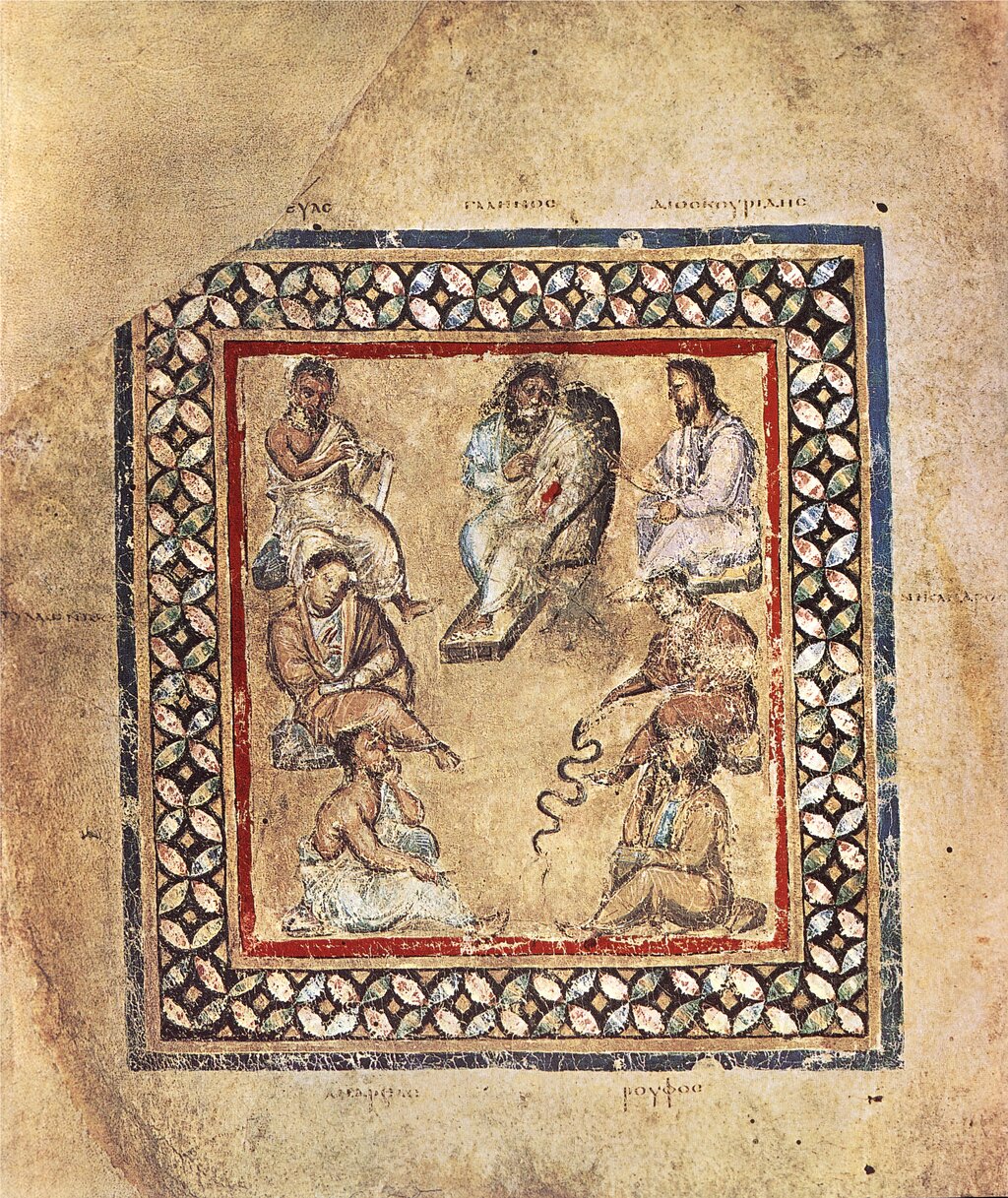
The foundations of Unani were laid by the ancient Greeks, most notably Hippocrates and Galen. They developed the theory of the four humors, which became the bedrock of Western and Middle Eastern medicine for over a thousand years. This theory proposed that the human body is composed of four primary fluids, or humors. A person's health and temperament were thought to be directly linked to the balance of these vital substances.
The four humors are blood (dam), phlegm (balgham), yellow bile (safra), and black bile (sauda). Each is associated with a specific element and a pair of qualities (hot/cold, wet/dry).
The Golden Age
As classical Greek civilization waned, its medical knowledge found a new home among Arab and Persian scholars. During the Islamic Golden Age, they meticulously translated Greek texts into Arabic, preserving them from being lost. But they didn't just preserve this knowledge; they expanded on it, adding their own observations, discoveries, and clinical experiences. This period was a vibrant era of medical innovation, where ancient wisdom was tested, refined, and systematized.
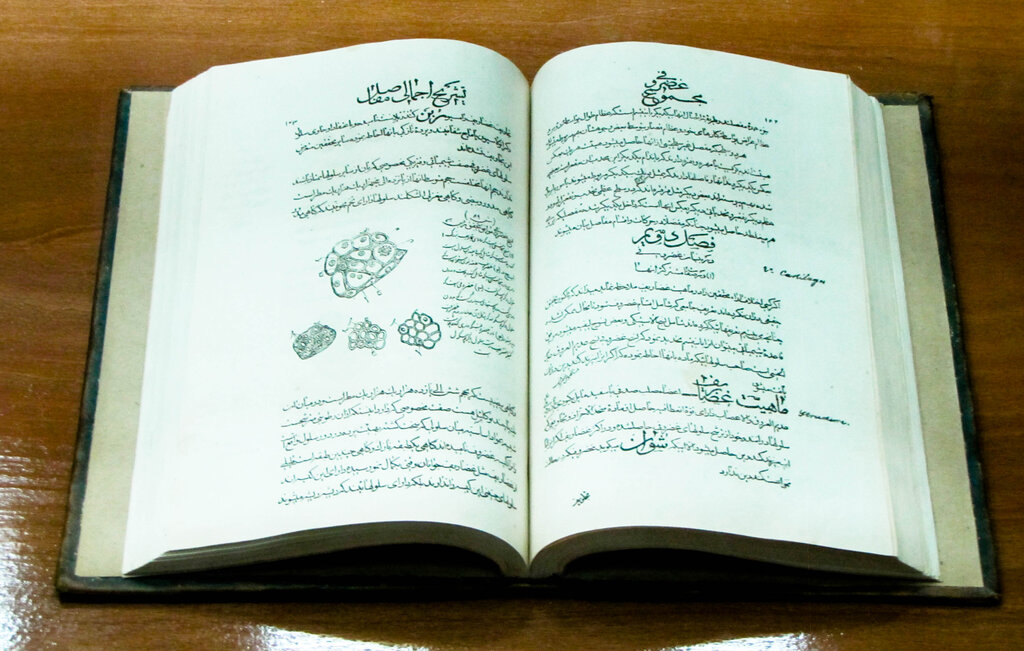
Among the era's brightest minds was Ibn Sina, known in the West as Avicenna. He was a Persian polymath whose contributions to medicine were monumental. His masterwork, Al-Qanun fi'l-Tibb (The Canon of Medicine), was an encyclopedic text that organized all known medical knowledge of the time. It was so comprehensive and clear that it became the standard medical textbook in both the Islamic world and Europe for centuries, shaping medical education and practice long after his time.
A New Home in India
Unani medicine was introduced to India around the 13th century, where it found fertile ground to grow. It was readily adopted and integrated into the subcontinent's rich landscape of traditional healing practices. Rulers of the Delhi Sultanate and the Mughal Empire became patrons of Unani, establishing hospitals and schools where its principles were taught and practiced.
Over centuries, Indian Unani practitioners, or hakims, incorporated local herbs and therapeutic methods, blending the system with elements of Ayurveda, another ancient Indian medical tradition. This exchange enriched both systems, creating a unique synthesis of Greco-Arab and Indian healing philosophies.
Today, Unani medicine is formally recognized and supported by institutions in India and neighboring countries. The Government of India, through its Ministry of AYUSH (Ayurveda, Yoga & Naturopathy, Unani, Siddha and Homoeopathy), regulates the education and practice of Unani medicine. This official recognition ensures that this ancient healing tradition continues to evolve and serve communities in the modern era.
Ready to check your understanding?
The name 'Unani' is derived from the Arabic word for which ancient civilization, reflecting its historical roots?
Who authored 'Al-Qanun fi'l-Tibb' (The Canon of Medicine), a text that became a medical standard in both the Islamic world and Europe for centuries?
Unani medicine offers a fascinating look at how medical knowledge can travel across cultures and centuries, absorbing new ideas while retaining its core principles of balance and natural healing.