UN Procurement Applications Explained
Introduction to UN Procurement
What the UN Buys and Why
The United Nations is a massive global organization with a mission that spans peacekeeping, humanitarian aid, and sustainable development. To carry out this work, it needs to buy a vast range of goods and services. This process is called procurement.
Think about what it takes to run a refugee camp, support an election, or rebuild after a natural disaster. The UN procures everything from food, medicine, and tents to armored vehicles, IT services, and expert consultants. The scale is immense, with annual spending reaching billions of dollars across the globe.
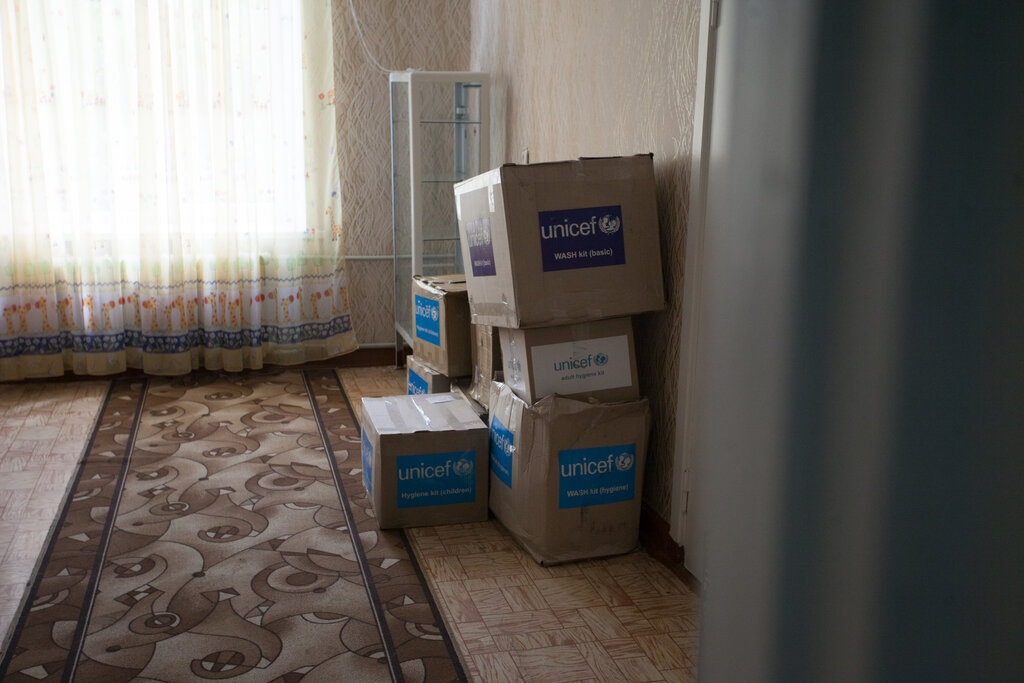
This isn't just about buying office supplies. UN procurement is a critical function that directly enables its fieldwork. The right supplies, delivered to the right place at the right time, can be the difference between a successful mission and a failed one. The scope is truly global, involving suppliers from nearly every member state to acquire goods and services needed in some of the world's most challenging environments.
The Rules of the Game
Because the UN operates with funds contributed by its member states and donors, its procurement process is guided by a strict set of principles. These rules ensure that all purchasing is done responsibly and supports the organization's core values.
Every purchase, big or small, must meet high standards of fairness and accountability.
The key principles are:
-
Best Value for Money: This doesn't just mean finding the lowest price. It's a careful balance of cost, quality, reliability, and sustainability. The goal is to find the solution that best meets the need in the long run.
-
Fairness, Integrity, and Transparency: The process must be open and honest. All potential suppliers are treated equally, and decisions are made based on clear criteria. Information about procurement opportunities and contract awards is often made public.
-
Effective Competition: The UN aims to give all qualified suppliers a chance to compete for contracts. A wider pool of bidders helps drive down prices and encourages innovation, leading to better outcomes for the organization.
-
In the Best Interest of the UN: Ultimately, every procurement decision must support the UN's mandates and missions. This principle guides all others, ensuring that procurement actions help the organization achieve its goals for peace, security, and development.
Who Does the Buying?
The UN is not a single entity but a system of different agencies, funds, and programs, many of which have their own procurement departments. While they all follow the same core principles, their specific needs vary widely based on their missions.
Some of the largest players include:
-
The UN Children's Fund (UNICEF): Focuses on the needs of children, procuring items like vaccines, school supplies, and therapeutic food.
-
The World Food Programme (WFP): The world's largest humanitarian organization fighting hunger, it procures enormous quantities of food as well as the logistics services to deliver it.
-
The UN Development Programme (UNDP): Works on the ground in about 170 countries, procuring goods and services for development projects, from election support to crisis recovery.
Together, these and other UN bodies form a complex but coordinated procurement network, all working toward the same global mission.
Now, let's test your understanding of these core concepts.
What is the fundamental purpose of UN procurement?
Which scenario best exemplifies the UN procurement principle of "Best Value for Money"?
Understanding these foundational elements is the first step in navigating the world of UN procurement.