UN Field Operations Dynamics
Introduction to UN Field Operations
The UN on the Ground
The United Nations isn't just a collection of buildings in New York and Geneva. Its real work happens out in the world, in what are called "field operations." These are missions sent to countries facing crisis, whether it's a violent conflict, a natural disaster, or a struggle to build a stable society after years of turmoil.
The core objective of any UN field operation is to help people and create conditions for lasting peace. This can mean many things: protecting civilians from harm, delivering food and medical supplies, helping to disarm fighters, or supporting elections. The specific goals are tailored to the situation, but the overarching aim is always to move a region from crisis to stability.
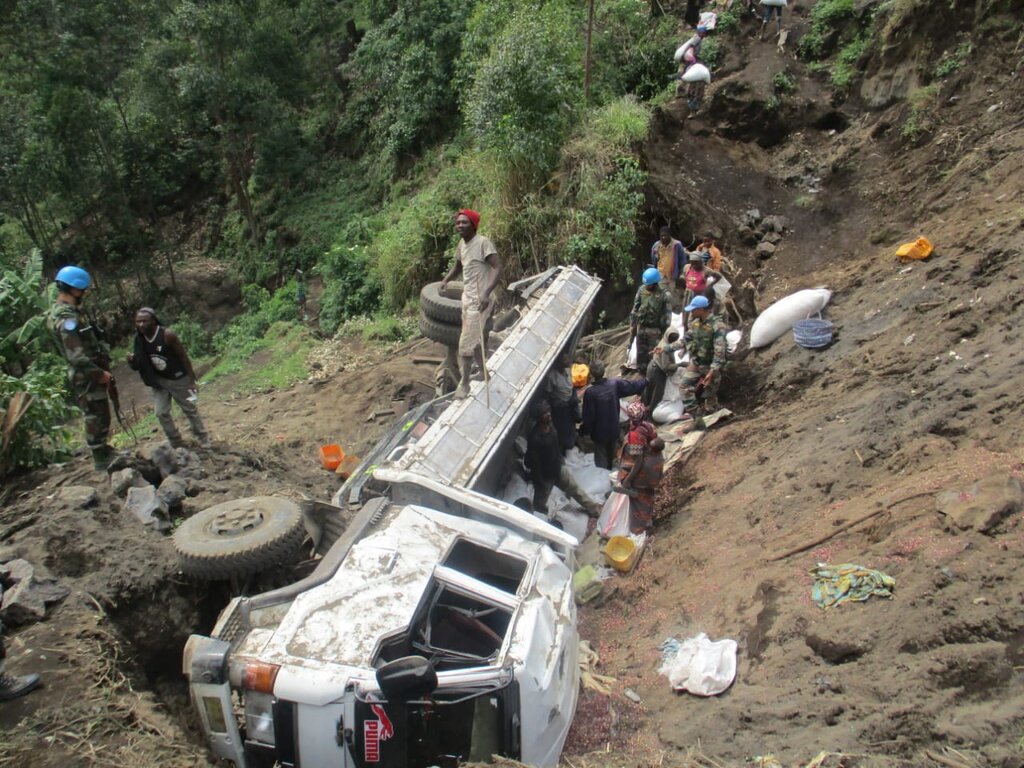
Each mission is guided by a "mandate," which is a set of instructions and goals authorized by the UN Security Council. This mandate acts as the mission's rulebook, defining what it can and cannot do. It's the foundation upon which the entire operation is built.
Mandate
noun
The official authorization and set of objectives for a UN peacekeeping or political mission, approved by the Security Council.
Who Does What
A UN field operation is a huge team effort, involving many different parts of the UN system. Think of it less like a single organization and more like a coalition of specialized agencies working together under one blue flag. Each agency brings its own expertise to the table.
You'll have military personnel, often called peacekeepers or "blue helmets," who are responsible for security. But you'll also have police officers, political advisors, human rights experts, and a massive team of humanitarian workers. This diverse group is led by a Special Representative of the Secretary-General (SRSG), who acts as the head of the mission and coordinates all UN activities in the country.
While the mission has its own structure, it works alongside the broader UN "Country Team," which includes all the UN agencies present in the country. Here’s a look at some of the key players and what they do:
| Agency | Acronym | Role in the Field |
|---|---|---|
| UN Children's Fund | UNICEF | Focuses on the rights and well-being of children, providing education, health, and protection. |
| World Food Programme | WFP | Delivers food assistance to populations in crisis and works to improve nutrition. |
| UN High Commissioner for Refugees | UNHCR | Protects and assists refugees and other displaced people forced to flee their homes. |
| UN Development Programme | UNDP | Works on long-term development projects, from poverty reduction to democratic governance. |
| World Health Organization | WHO | Coordinates international health responses, from disease outbreaks to building health systems. |
Operating in Tough Environments
UN field operations are, by definition, deployed to the world's most difficult places. The environments are often unpredictable and dangerous. Staff may be working in active conflict zones where fighting can erupt without warning. Peacekeepers and humanitarian workers face real risks to their safety every day.
In other cases, the challenge is a natural disaster. After an earthquake, hurricane, or flood, the UN helps coordinate the international response, providing shelter, clean water, and medical care to survivors. Here, the environment is defined by destroyed infrastructure and immense human suffering.
Finally, many missions operate in post-conflict environments. The fighting may have stopped, but the country is fragile. The government is weak, the economy is in ruins, and deep divisions remain in society. In these settings, the UN's job is to help build a sustainable peace, which is a slow and complex process.
Whether it's a warzone or a disaster area, the goal is the same: protect the vulnerable, restore stability, and help communities get back on their feet.
To guide their work in these complex situations, all UN personnel operate under a set of core principles. For humanitarian workers, these are humanity, neutrality, impartiality, and independence. These principles ensure that aid is delivered based on need alone, without taking sides in a conflict.
Ready to check your understanding? This quiz will cover the main ideas about how UN field operations are structured and what they aim to achieve.
What is the primary objective of a UN field operation?
What is the name of the document, authorized by the UN Security Council, that defines a mission's goals and rules of engagement?
Understanding this basic framework of objectives, structures, and environments is the first step in appreciating the complex and vital work the UN does on the ground.