Ukulele Fundamentals
Ukulele Basics
Meet Your Ukulele
The ukulele is a wonderfully friendly instrument. It's small, light, and has a bright, happy sound. Before you can start strumming songs, it helps to get acquainted with the instrument itself. Let's take a look at its different parts and what they do.
The ukulele has three main sections: the body, the neck, and the headstock.
-
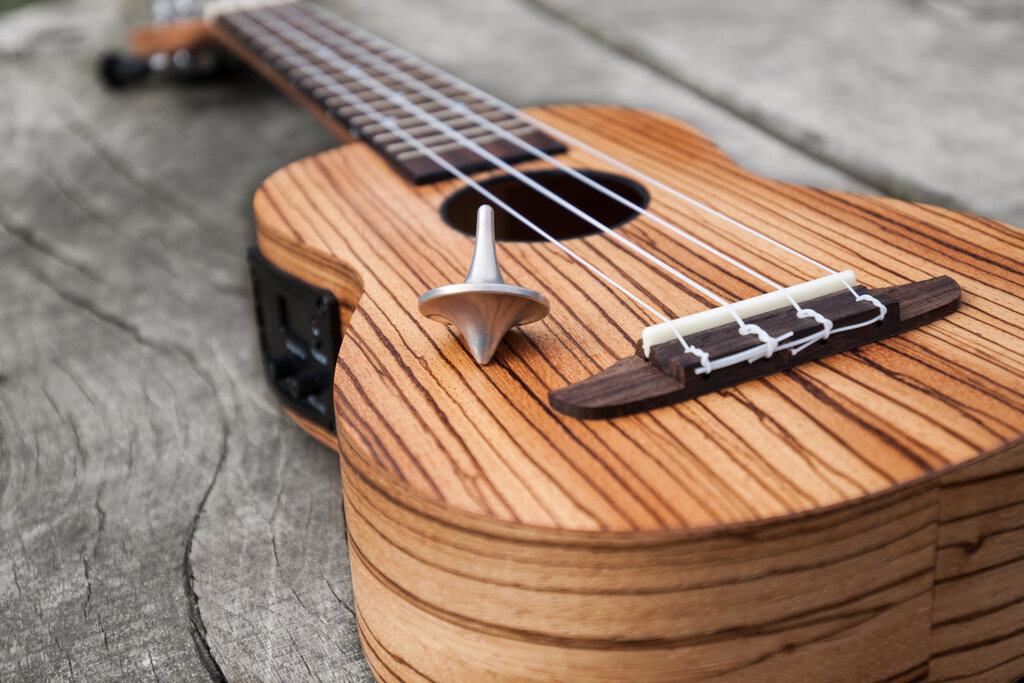
Body: This is the large, hollow part of the ukulele. The soundhole helps project the sound created by the vibrating strings. The bridge and saddle work together to hold the strings in place and transfer their vibrations to the body.
-
Neck: This is the long part you'll hold. The front side is the fretboard, which has metal strips called frets. Pressing a string against a fret changes its pitch. The nut is a small grooved piece that guides the strings from the fretboard to the headstock.
-
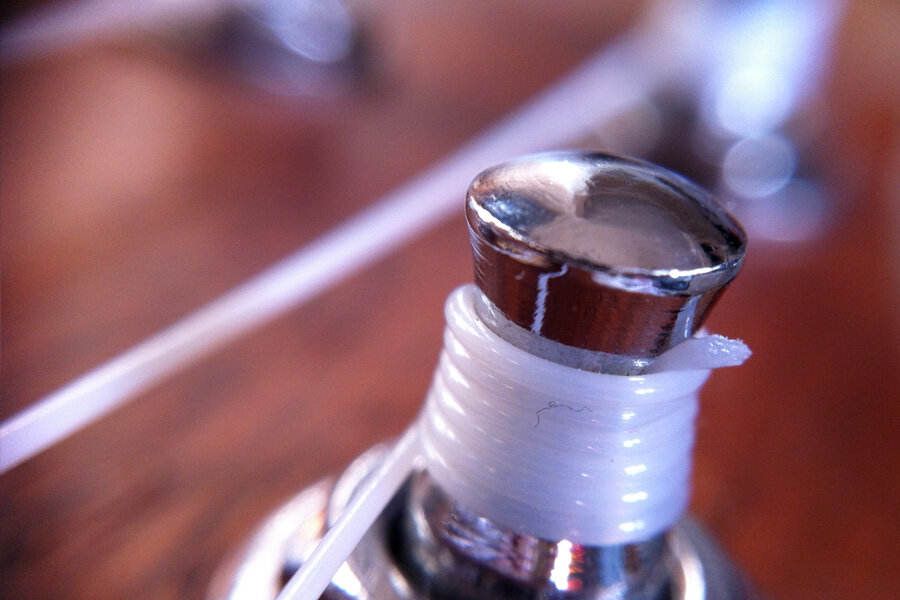
Headstock: This is at the very top. It holds the tuning pegs, which you turn to tighten or loosen the strings, changing their pitch to get the instrument in tune.
Getting in Tune
Playing an out-of-tune ukulele doesn't sound very good, no matter how well you play. Tuning is the first and most important step before every practice session. New strings also tend to stretch, so you may need to tune more often at first.
The standard tuning for a soprano, concert, or tenor ukulele is G-C-E-A, starting from the string closest to your chin (the 4th string) and going down.
A popular mnemonic to remember the tuning is "My Dog Has Fleas," where each word corresponds to the notes G, C, E, and A.
The easiest way to tune is with a clip-on electronic tuner or a tuner app on your phone. These tools listen to the note you play and tell you if it's sharp (too high) or flat (too low).
Here’s how to use a clip-on tuner:
- Clip the tuner onto the headstock of your ukulele.
- Pluck the G string (the one closest to the ceiling). The tuner will display the note it hears.
- If the note is flat, slowly turn the corresponding tuning peg to tighten the string until the tuner shows it's a G.
- If the note is sharp, slowly loosen the string until it's a G.
- Repeat this process for the C, E, and A strings. Aim for the tuner's needle to be right in the middle.
Keeping Your Ukulele Happy
Basic care will keep your ukulele in great shape for years. It doesn't take much effort.
After playing, wipe down the strings and body with a soft, dry cloth (like microfiber) to remove oils and dust. This keeps the instrument clean and helps the strings last longer.
Ukuleles are made of wood, which can be sensitive to big changes in temperature and humidity. Try to store your instrument in a stable environment. A case or gig bag is a great way to protect it from bumps, dust, and sudden environmental shifts. Avoid leaving it in a hot car or a damp basement.
Over time, your strings will wear out and lose their bright tone. You don't need to change them constantly, but if they start sounding dull or are difficult to keep in tune, it might be time for a new set.
What is the standard tuning for a soprano, concert, or tenor ukulele, starting from the string closest to your chin?
Which part of the ukulele transfers the vibration of the strings to the body to create sound?
With a tuned-up and well-cared-for instrument in hand, you're ready for the next step: making some music.