Ukulele Fundamentals
Ukulele Basics
Meet Your Ukulele
Before you can play a song, it helps to know your way around the instrument. A ukulele has a few main parts, each with a specific job. Let's take a look.
The main parts are:
- Body: The large, hollow wooden part. This is where the sound is amplified and projected from the soundhole.
- Neck: The long piece you hold. The front of the neck is the fretboard, which has metal strips called frets that mark the different notes.
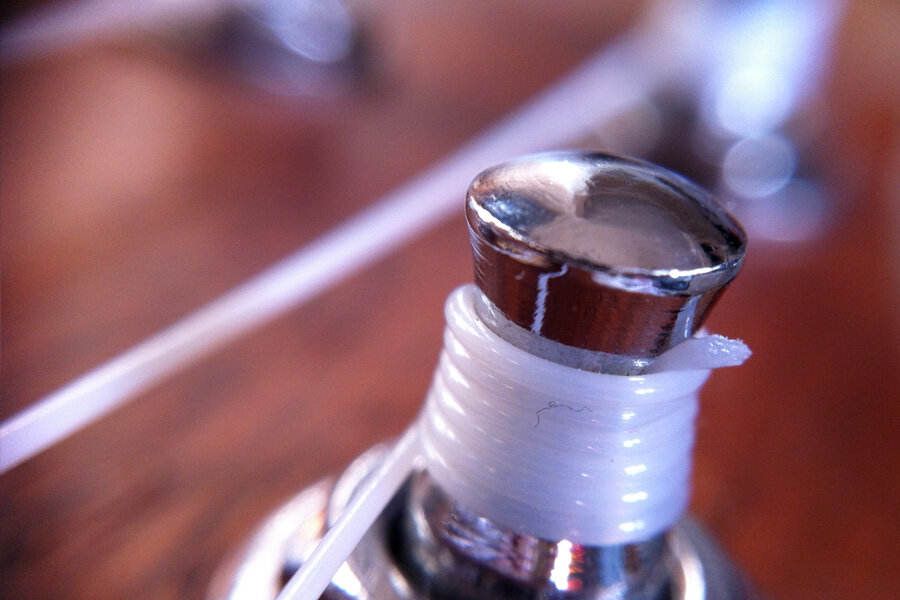
- Headstock: The very top of the ukulele. It holds the tuning pegs, which you turn to tighten or loosen the strings.
- Strings: Most ukuleles have four strings. They run from the bridge on the body up to the nut at the top of the neck.
Getting in Tune
An out-of-tune instrument won't sound right, no matter how well you play. Before you start, always make sure your ukulele is in tune. Standard tuning for a soprano, concert, or tenor ukulele is G-C-E-A, starting from the string closest to your face.
A fun way to remember this is the phrase "My Dog Has Fleas."
The easiest way to tune is with a clip-on digital tuner or a tuning app on your phone. Here's how:
- Clip the tuner to the headstock or open the app.
- Pluck the G string (the one closest to the ceiling). The tuner will tell you if the note is sharp (too high) or flat (too low).
- Turn the corresponding tuning peg. If it's flat, tighten the string slowly. If it's sharp, loosen it.
- Keep plucking and adjusting until the tuner shows you're on the correct note.
- Repeat for the C, E, and A strings.
New strings stretch, so you might need to tune your ukulele frequently at first.
How to Hold It
Good posture helps you play comfortably and avoid bad habits. Whether you're sitting or standing, keep your back straight and your shoulders relaxed.
Hold the ukulele against your chest and stomach. Use your strumming arm to cradle the body of the instrument, holding it securely in place. This frees up your other hand to press down on the strings on the fretboard.

Your fretting hand should support the neck lightly with your thumb behind it. Your fingers should be curved, ready to press down on the strings with their tips. Keep your wrist as straight as possible to avoid straining it.
Your strumming hand should be loose and relaxed. You'll use your index finger or thumb to brush across the strings over the soundhole. The motion should come from your wrist, not your whole arm.
The goal is to be relaxed. If you feel any tension in your shoulders, neck, or wrists, take a break and readjust your posture.
Ready to check what you've learned?
What is the primary function of the tuning pegs located on the headstock?
The long part of the ukulele you hold, which contains the fretboard, is called the ____.
Great job. Now that you know the basics of your instrument, you're ready to start playing.