Ukrainian Presidential Election Dynamics
Ukrainian Political Landscape
The President's Party
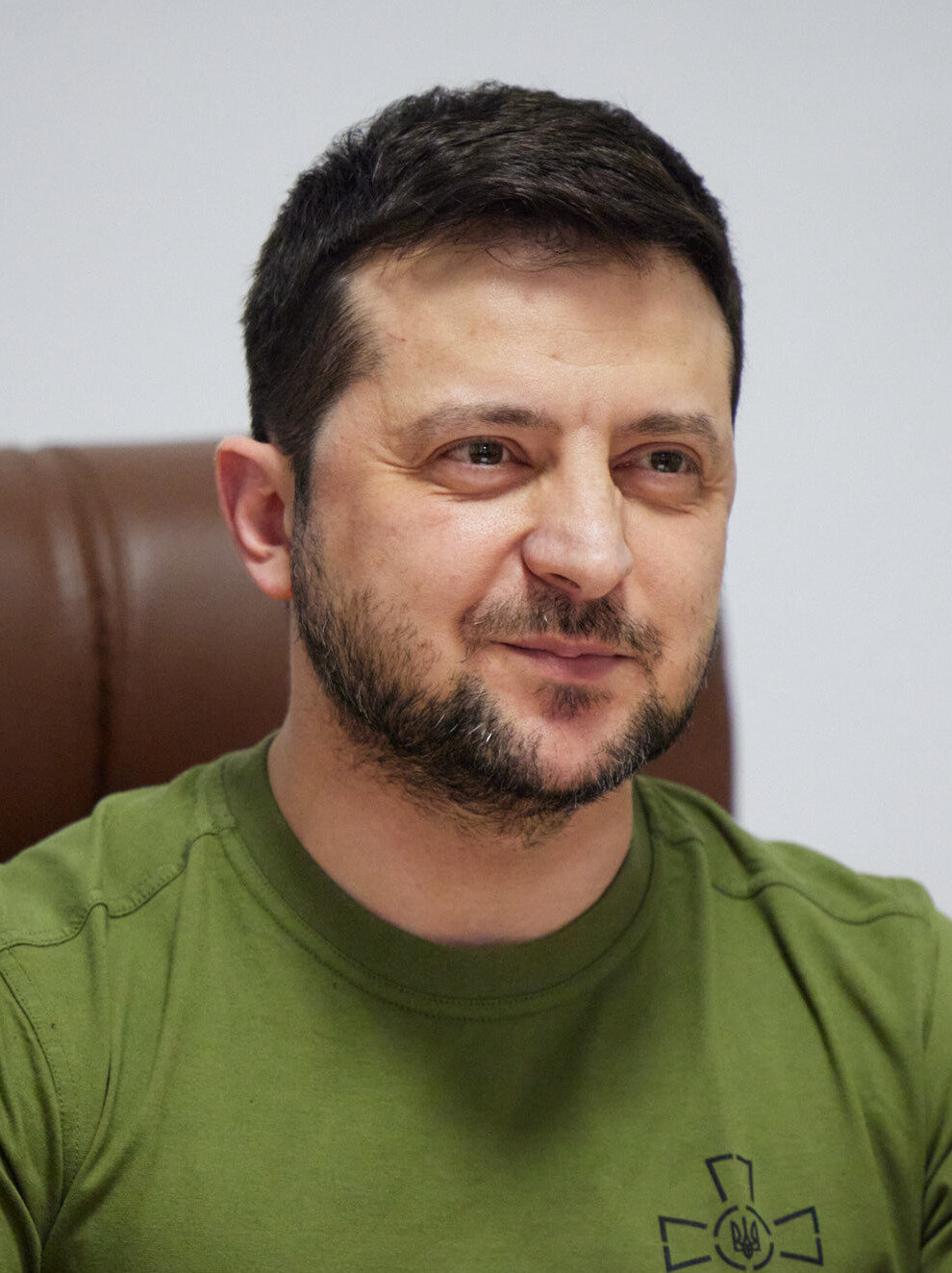
Ukraine's political stage is currently dominated by the Servant of the People party, which holds a majority in the Verkhovna Rada, the country's parliament. The party's rise was meteoric, founded just before the 2019 presidential election. Its name comes from a popular television series where its founder, Volodymyr Zelenskyy, played a fictional Ukrainian president.
This connection between fiction and reality captured the public's imagination, helping Zelenskyy, a former actor and comedian, secure a landslide victory. His campaign promised to combat corruption and break from the political establishment. Today, as president, he and his party navigate the immense challenges of war and governance, shaping both domestic policy and international relations.
Key Opposition Figures
The most prominent opposition party is European Solidarity, led by former President Petro Poroshenko. Having served as president from 2014 to 2019, Poroshenko represents a more traditional, established political force. His party advocates for a strong pro-Western stance, emphasizing NATO and EU integration. The dynamic between Zelenskyy and Poroshenko is a central rivalry in Ukrainian politics, reflecting a clash between the new anti-establishment wave and the old guard.
Another enduring figure is Yulia Tymoshenko, leader of the Batkivshchyna (Fatherland) party. A former prime minister, Tymoshenko has been a major player in Ukrainian politics for decades. While her party doesn't have the same level of support as it once did, her political experience and recognition keep her relevant in the national conversation.
Emerging Power Players
Beyond the established parties, new individuals have gained significant public profiles, largely due to their roles in the ongoing war. One such figure is Valerii Zaluzhnyi, the former Commander-in-Chief of the Armed Forces. His leadership during the initial phase of the full-scale invasion earned him immense popularity and trust among Ukrainians. Now serving as the Ambassador to the United Kingdom, he is often discussed as a potential future political challenger, though he has not declared any political ambitions.
Kyrylo Budanov, the head of Ukraine's military intelligence agency (GUR), is another influential figure. Known for his direct communication style and high-profile operations, Budanov has become a symbol of Ukraine's resilience and strategic capabilities. His public visibility and role in national security give him a unique platform of influence.
The Role of Oligarchs
For decades, a small group of wealthy business magnates, known as oligarchs, have wielded significant influence over Ukrainian politics. They often control major media outlets and provide financial backing to political parties and candidates, helping to shape public opinion and electoral outcomes.
A key example is Ihor Kolomoisky, a billionaire whose media channel, 1+1, aired the "Servant of the People" show that launched Zelenskyy's political career. The channel also provided favorable coverage during his presidential campaign. While the government has since taken steps to curb the power of oligarchs, their historical impact on the political landscape is undeniable. Their ability to sway elections through media and money remains a critical factor in understanding Ukraine's political dynamics.
Control over media outlets has historically given oligarchs a powerful tool to influence voter perceptions and support their preferred candidates.
Now, let's test your understanding of Ukraine's key political players.
What is the name of the political party founded by Volodymyr Zelenskyy, which currently holds a majority in the Verkhovna Rada?
True or False: Petro Poroshenko, a former president, leads the 'Batkivshchyna' party and represents an anti-establishment political movement.
Understanding these key figures, parties, and sources of influence provides a clearer picture of the forces shaping Ukraine today.