Ukraine A Narrative Journey
Ancient Ukraine
The First Inhabitants
Long before any country called Ukraine existed, people called this land home. The plains, rivers, and forests of this region have been inhabited for tens of thousands of years. Archaeologists have found traces of Neanderthals and some of the earliest modern human settlements in Europe here, dating back to the Stone Age, around 32,000 BCE.
These early hunter-gatherers left behind tools, mammoth bone dwellings, and mysterious engravings. They lived a nomadic life, following herds of game across the vast, cold steppes. This deep history set the stage for one of Europe’s most remarkable prehistoric cultures to emerge.
A Land of Giant Settlements
Between roughly 4800 and 3000 BCE, a sophisticated farming society known as the Cucuteni-Trypillya culture flourished. They weren't nomads; they were builders. The Trypillians constructed enormous settlements, some housing up to 15,000 people. These were among the largest population centers in the world at the time, long before the famous cities of Mesopotamia or Egypt rose to prominence.
These proto-cities were meticulously planned, with houses arranged in concentric circles. The people were skilled farmers, raising livestock and growing wheat, barley, and peas. They are perhaps most famous for their stunning pottery, decorated with intricate swirling patterns and stylized figures.
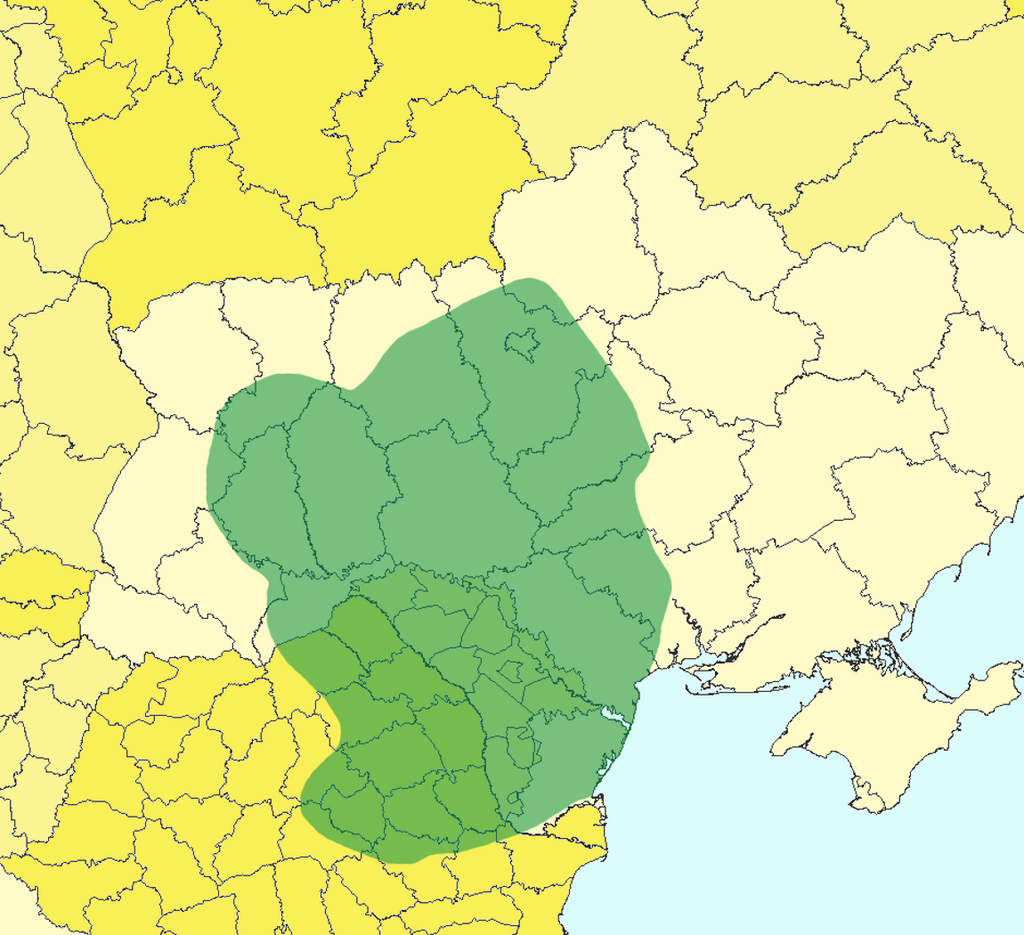
One of their most curious customs was the ritual burning of their settlements. Every 60 to 80 years, they would set fire to their entire village and build a new one on top of the ashes. The reason for this is still debated by historians. Was it a cleansing ritual? A way to mark the passing of generations? Whatever the cause, this practice, combined with other factors, eventually led to the culture's decline. After about two thousand years, the Trypillian way of life faded away, making way for new peoples entering the steppe from the east.
Riders of the Steppe
The open grasslands of southern Ukraine were a perfect highway for nomadic horse-riding cultures. For over a millennium, waves of these groups swept through the region, each leaving their mark. They introduced new technologies, languages, and ways of life, often centered around warfare and herding.
These groups are often known for building kurgans—large earthen burial mounds—for their chieftains and elite warriors. Many of these kurgans dot the Ukrainian landscape to this day.
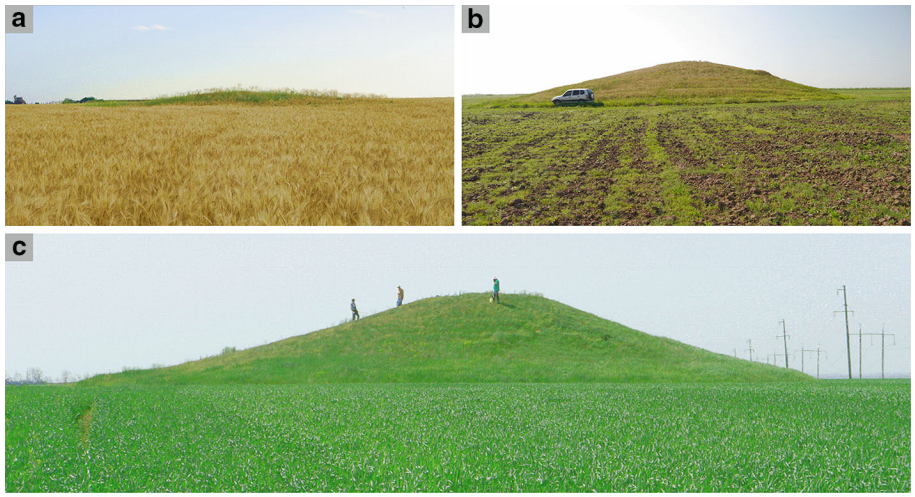
The first of these steppe peoples mentioned by ancient writers were the Cimmerians, who dominated the region in the early Iron Age. But they were soon displaced by a more powerful and famous group: the Scythians.
The Scythians were masters of horseback warfare and renowned for their incredible craftsmanship, especially their intricate goldwork. From about the 7th to the 3rd century BCE, they built a powerful kingdom that stretched across the steppe, trading grain and goods with the ancient Greek colonies on the Black Sea coast.
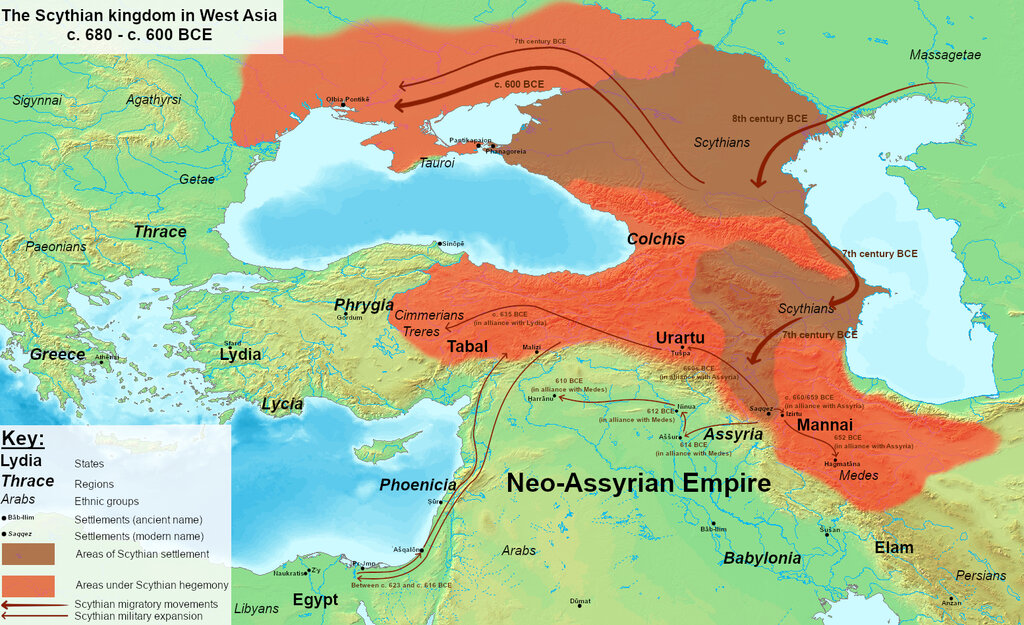
The Scythians were eventually succeeded by the Sarmatians, another nomadic people from the east. The Sarmatians were also skilled horse riders and warriors, but their culture had distinct features. Notably, their women often fought alongside the men as warriors, which may have inspired the Greek myths of the Amazons.
Here’s a quick comparison of these three influential groups:
| Group | Time Period (Approx.) | Key Characteristics |
|---|---|---|
| Cimmerians | 900-700 BCE | First nomadic horsemen known by name in the region. Mentioned in ancient Greek texts. |
| Scythians | 700-300 BCE | Master horse archers, controlled a vast trade network, created exquisite gold art. |
| Sarmatians | 300 BCE-400 CE | Known for heavy cavalry and prominent roles for female warriors. Eventually displaced the Scythians. |
The long era of these ancient cultures—from the first Stone Age hunters to the settled Trypillians and the nomadic Scythians—created a deep and complex cultural foundation in the lands that would one day become Ukraine. They were the first chapters in a long and rich history.
Ready to test your knowledge?
What is the earliest evidence of human activity found in the region that is now Ukraine?
The Cucuteni-Trypillya culture is noted for a peculiar ritual practice. What was it?
This ancient history, a blend of settled farmers and nomadic warriors, shaped the very ground on which later peoples, like the Slavs, would build their own societies.