UK Transfer Pricing Accounting Essentials
Introduction to Transfer Pricing
What Is Transfer Pricing?
When different parts of the same multinational company do business with each other, they need to set a price for the goods or services exchanged. That price is called a transfer price. Think of a large coffee company. One part of the company, based in Colombia, grows the coffee beans. Another part, in the UK, roasts them and sells them to customers. The Colombian division has to 'sell' its beans to the UK division. The price it charges is a transfer price.
Transfer Price
noun
The price charged for goods or services when one part of a multinational company transacts with another part of the same company in a different country.
This isn't just an internal accounting exercise. These prices determine where the company records its profits. If the coffee beans are priced low, the Colombian division shows less profit, and the UK division shows more. If they're priced high, the opposite happens. This has major implications for how much tax the company pays in each country.
Transfer pricing refers to the pricing of goods, services, and intangibles exchanged between related entities within a multinational enterprise.
Why It Matters
The main goal of transfer pricing is to ensure that transactions between related parts of a company are fair. Tax authorities insist that these internal transactions happen at an 'arm's length price'. This is the price that two unrelated companies would agree upon for the same transaction. The company can't just invent a price to move profits to a country with a lower tax rate.
The Arm's Length Principle: Related companies within a larger corporation must act as if they were separate, independent companies when setting prices for internal transactions.
Let's go back to our coffee company. Suppose the corporate tax rate in Colombia is 35%, but only 19% in the UK. The company has an incentive to record as much profit as possible in the UK. It could do this by setting a very low transfer price for the coffee beans. This would minimise the profit of the Colombian division and maximise the profit of the UK division, thus lowering the company's overall tax bill. Tax authorities watch for this kind of profit shifting very closely.
Impact on Taxes and Reporting
Every multinational corporation must document its transfer pricing policies and prove that its prices follow the arm's length principle. This documentation is crucial during audits. If a tax authority like HMRC in the UK decides that a company's transfer prices are unfair, it can adjust the company's profits and demand more tax, often with significant penalties.
Beyond taxes, transfer pricing also affects a company's financial reporting. The performance of each subsidiary is judged by its individual profit and loss statement. Inaccurate transfer prices can distort this picture, making one division look more profitable than it really is, and another less so. This can lead to poor business decisions, like misallocating investment or incorrectly judging a manager's performance.
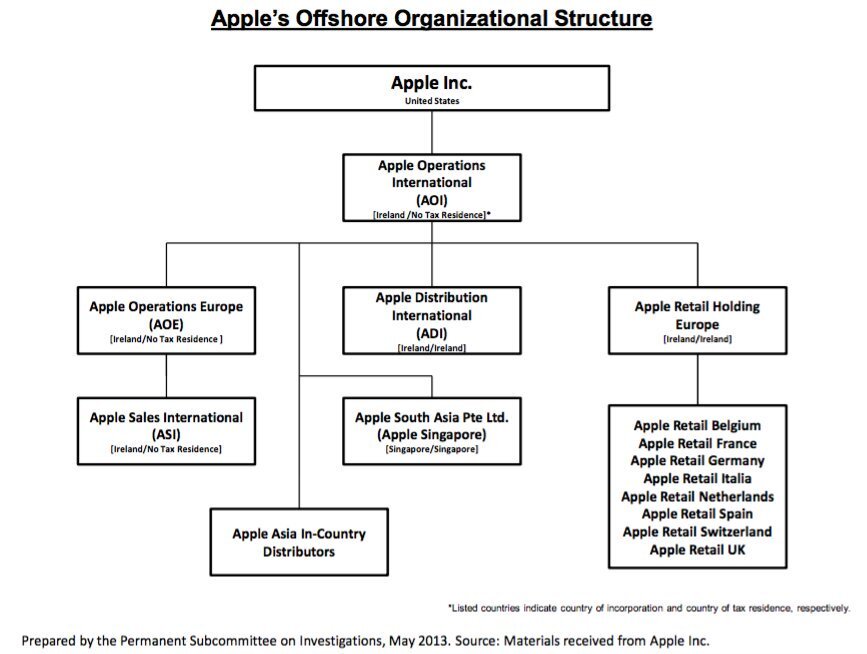
Getting transfer pricing right is a complex balancing act. It requires careful analysis to satisfy tax authorities, reflect economic reality, and provide accurate financial data for internal decision-making.