UK Real Estate Essentials
UK Property Types
The Home Front
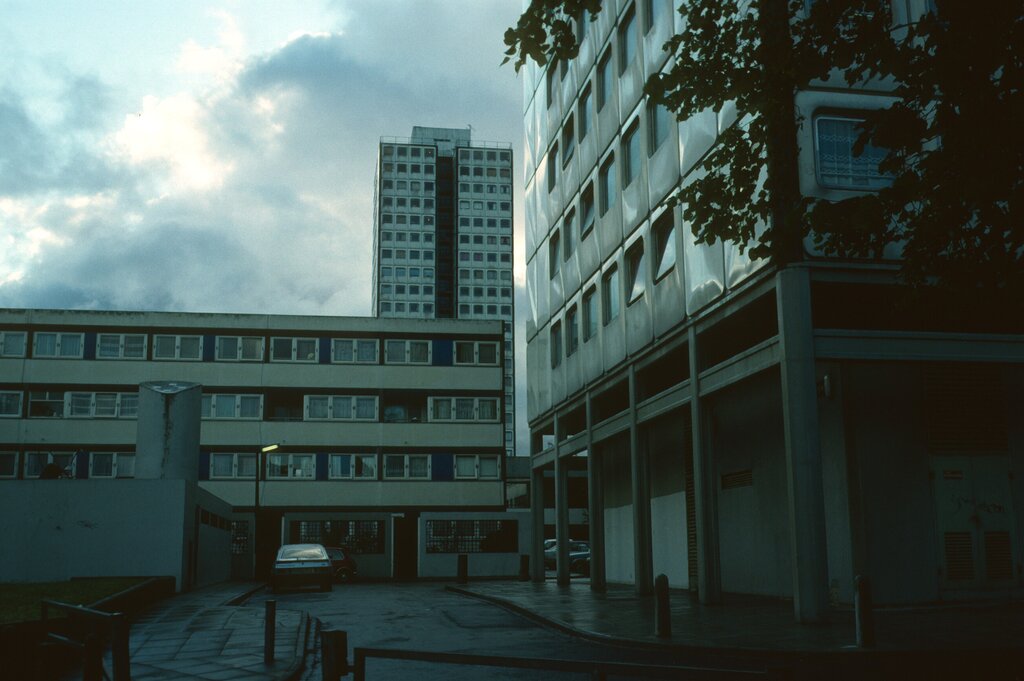
Residential properties are exactly what they sound like: places where people live. They form the backbone of the property market and come in all shapes and sizes, from sprawling country houses to compact city flats. Understanding the common types helps paint a picture of the UK's housing landscape.
- Detached houses stand alone, with no shared walls.
- Semi-detached houses are paired together, sharing one common wall.
- Terraced houses are part of a row, sharing walls on both sides (unless they're at the end of the terrace).
- Flats or apartments are individual homes within a larger building.
- Bungalows are single-storey houses, often popular with those who want to avoid stairs.
The demand for these homes is driven by personal needs like family size, job location, and access to schools or transport. It’s the most personal and emotionally driven part of the property market.
The World of Work
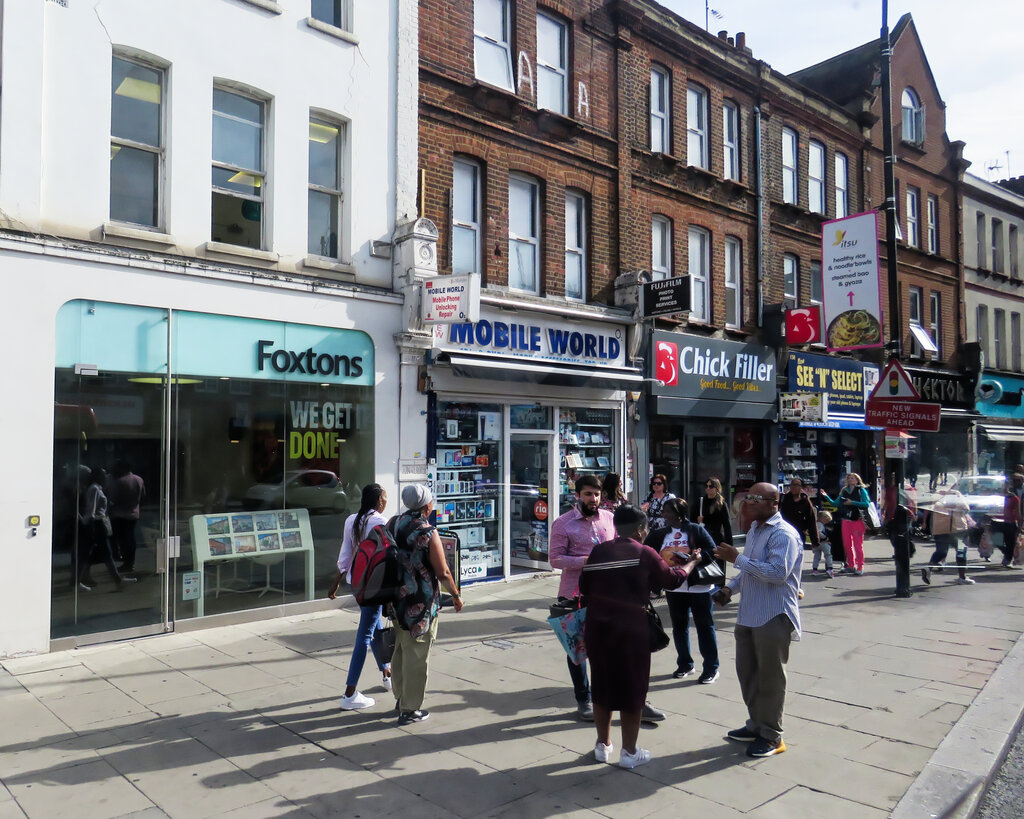
Commercial properties are where business happens. This category is incredibly broad, covering everything from the corner shop to the massive office blocks that define city skylines. We can break them down into a few key areas.
Retail: This includes shops, shopping centres, supermarkets, and restaurants. Their success is tied directly to consumer spending and foot traffic.
Offices: These are spaces where companies house their staff. They can range from a single rented room to a purpose-built headquarters. The rise of remote work has significantly changed the dynamics of this sector.
Leisure: This includes properties like hotels, pubs, cinemas, and gyms. This sector is often sensitive to the overall health of the economy and people's disposable income.
The Engine Room
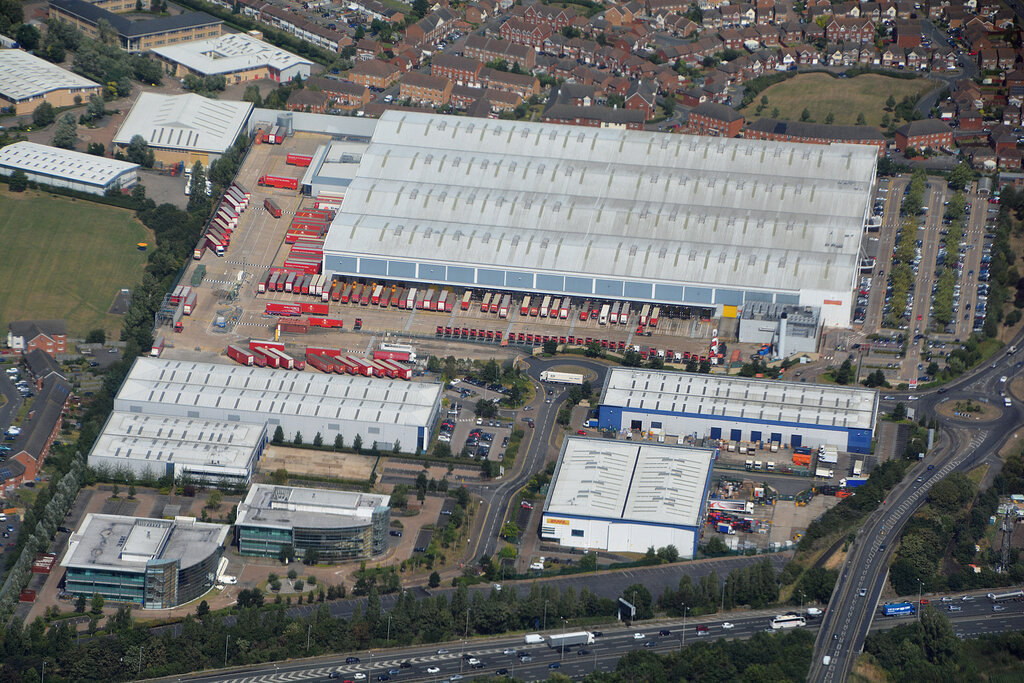
Industrial properties are the workhorses of the economy. These are the spaces dedicated to making, storing, and moving goods. Think of large warehouses, manufacturing plants, and logistics hubs. They're often found in out-of-town locations with excellent transport links, like motorways or ports, to keep supply chains moving efficiently.
The boom in e-commerce has created huge demand for modern distribution centres, making this one of the most dynamic areas of the property market. These buildings are typically valued based on their size, location, and features like ceiling height and loading bay access.
A Bit of Everything
Mixed-use properties blend different functions within a single building or development. The classic example is a high street building with a shop on the ground floor and flats above it. This approach is becoming increasingly popular in urban planning.
By combining residential, commercial, and sometimes even light industrial spaces, these developments can create vibrant, self-contained communities where people can live, work, and socialise without needing to travel far. This makes efficient use of land and can lead to more dynamic and convenient neighbourhoods.
To bring it all together, here’s a quick comparison of the main property types.
| Property Type | Primary Use | Key Examples |
|---|---|---|
| Residential | Living | Houses, flats, bungalows |
| Commercial | Business activities | Shops, offices, hotels |
| Industrial | Production & storage | Warehouses, factories |
| Mixed-Use | Multiple functions | Shops with flats above |
Each of these property types plays a distinct role in the UK's built environment, catering to different needs and driven by different economic forces.