UK Heat Pumps Adoption and Sentiment
UK Heat Pump Policies
Government Support for Heat Pumps
The UK government is actively encouraging homeowners to switch from traditional fossil fuel heating systems to more energy-efficient alternatives like heat pumps. This push is part of a broader strategy to reduce carbon emissions from homes and meet national climate targets. To make the transition easier and more affordable, a number of policies and financial incentives are in place.
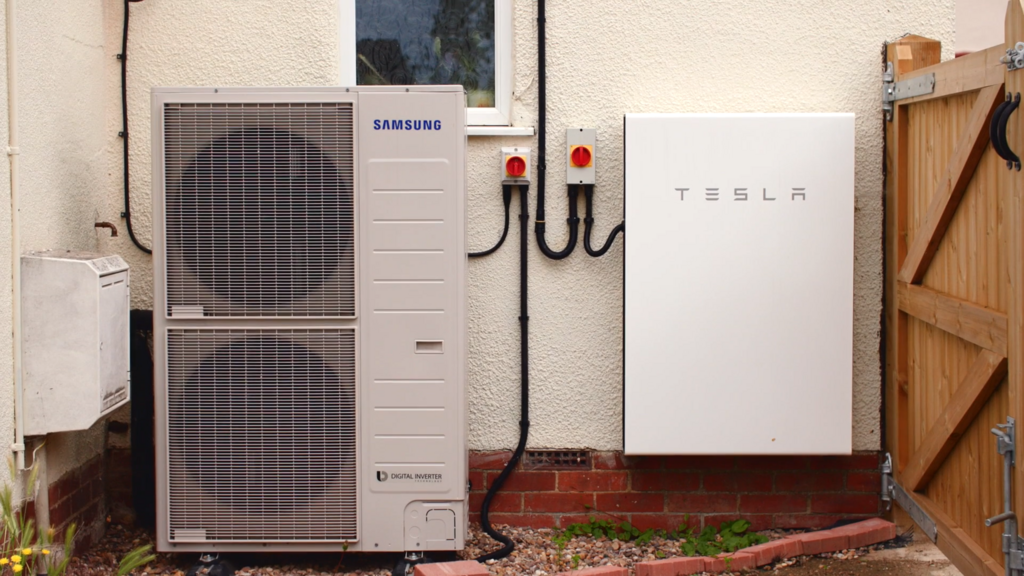
Governments are incentivizing the replacement of fossil fuel furnaces with electric heat pumps.
The flagship initiative is the Boiler Upgrade Scheme (BUS), which provides upfront grants to help cover the cost of installing a heat pump. This scheme directly reduces the initial investment required by homeowners, making the technology accessible to a wider audience.
The Boiler Upgrade Scheme
The Boiler Upgrade Scheme is designed to overcome one of the main hurdles for homeowners: the initial purchase and installation cost. It provides a fixed grant that your installer will claim on your behalf, discounting the price you pay.
The scheme is available in England and Wales. To be eligible, you must own the property you're applying for and be replacing a fossil fuel heating system, such as one running on oil, gas, or direct electric. Your property must also have a valid Energy Performance Certificate (EPC) issued in the last 10 years, with no outstanding recommendations for loft or cavity wall insulation. This ensures the property is well-insulated enough for the heat pump to operate efficiently.
| Technology | Grant Amount |
|---|---|
| Air Source Heat Pump | £7,500 |
| Ground Source Heat Pump | £7,500 |
| Biomass Boiler | £5,000 |
The grant amounts were increased in late 2023 to make the switch even more attractive. Note that biomass boilers are only eligible in rural properties that are not connected to the gas grid.
Rules and Certification
Ensuring a high-quality installation is just as important as the financial incentives. The UK has a robust regulatory framework to maintain standards and protect consumers. All installers and heat pump systems supported by the Boiler Upgrade Scheme must meet specific criteria.
A poorly installed heat pump can be inefficient and costly to run, negating the benefits of the technology. That's why certification is so important.
The key standard for installers is the Microgeneration Certification Scheme (MCS). To be eligible to carry out installations under the BUS, an installer must be MCS certified. This certification confirms that they meet rigorous standards for quality, safety, and competence.
What does MCS certification guarantee?
- Competence: The installer has been assessed and has the necessary skills to design and fit your system correctly.
- Quality Products: The heat pump itself must also be an MCS-certified product, ensuring it meets high standards of performance and reliability.
- Consumer Protection: MCS-certified installers must belong to a consumer code, such as the Renewable Energy Consumer Code (RECC) or the Home Insulation and Energy Systems Quality Assured Contractors Scheme (HIES). This provides you with deposit protection and access to an independent complaints procedure if something goes wrong.
When you get a quote for a heat pump, always check that your installer is MCS certified. They should be able to provide you with their certification number, which you can verify on the MCS website.
Ready to check your understanding of the UK's heat pump support landscape?
What is the primary purpose of the UK's Boiler Upgrade Scheme (BUS)?
A homeowner in England wants to replace their gas boiler with a heat pump. Their Energy Performance Certificate (EPC) is 5 years old but has an outstanding recommendation for cavity wall insulation. Are they eligible for the Boiler Upgrade Scheme grant?
Navigating these policies and standards ensures you can make an informed decision and access the financial support available to make your home greener and more efficient.