UK Driving Safety for Employees
Vehicle Maintenance
The Pre-Drive Walk-Around
Making a few simple checks before you drive is one of the easiest ways to stay safe on the road. It takes less than a minute but can prevent a breakdown or even a serious accident. Think of it as a quick conversation with your car to make sure everything is okay before you set off.
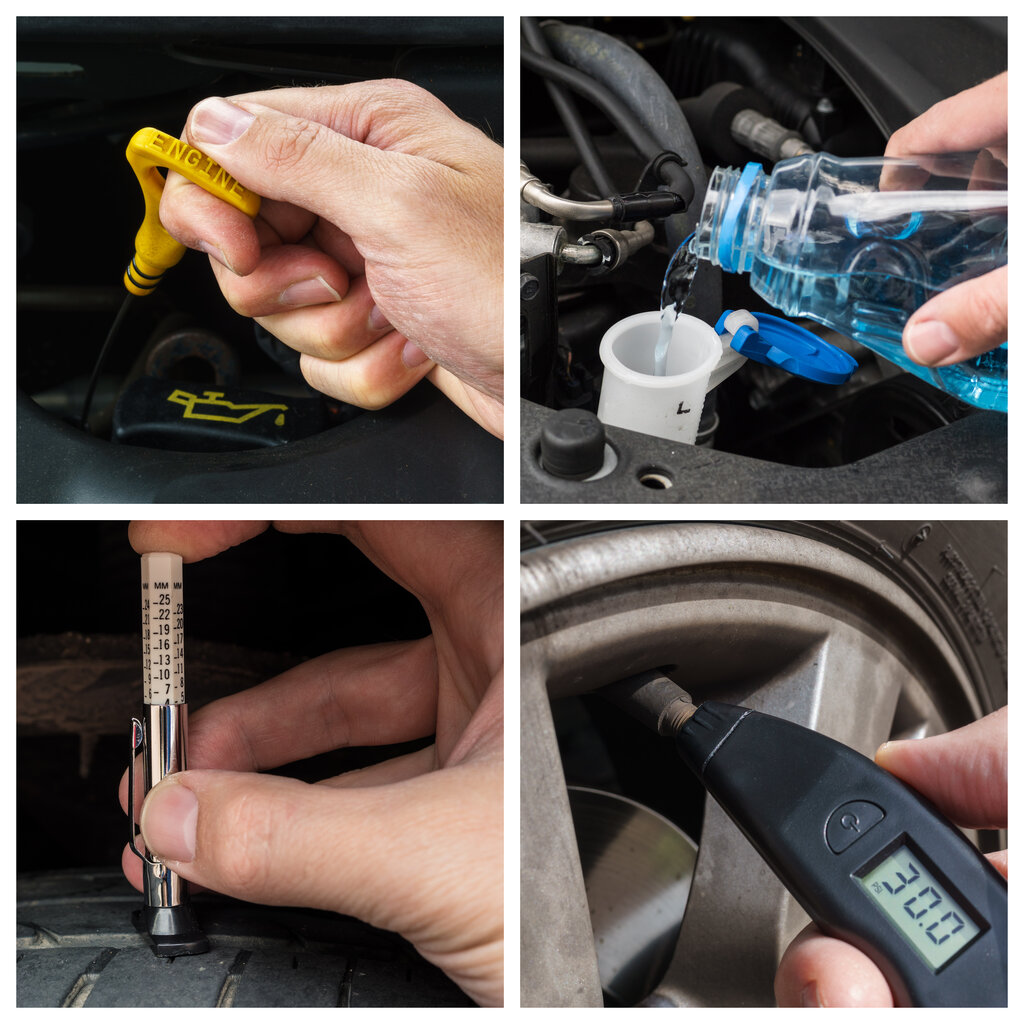
Start with a simple walk around the vehicle. Are all the tyres properly inflated? A visual check is a good start, but you should check the pressure with a gauge regularly. Look for any obvious damage or leaks underneath the car.
Make sure all your lights are working—headlights, brake lights, and indicators. It's easiest to check these with someone else, but you can also use reflections in shop windows or garage doors. Finally, ensure all windows and mirrors are clean and unobstructed for clear visibility.
Decoding the Dashboard
Your car's dashboard is its way of communicating with you. When you turn the ignition on, you'll see a number of symbols light up and then disappear. This is a normal system check. If a light stays on or comes on while you're driving, it's telling you something needs attention.
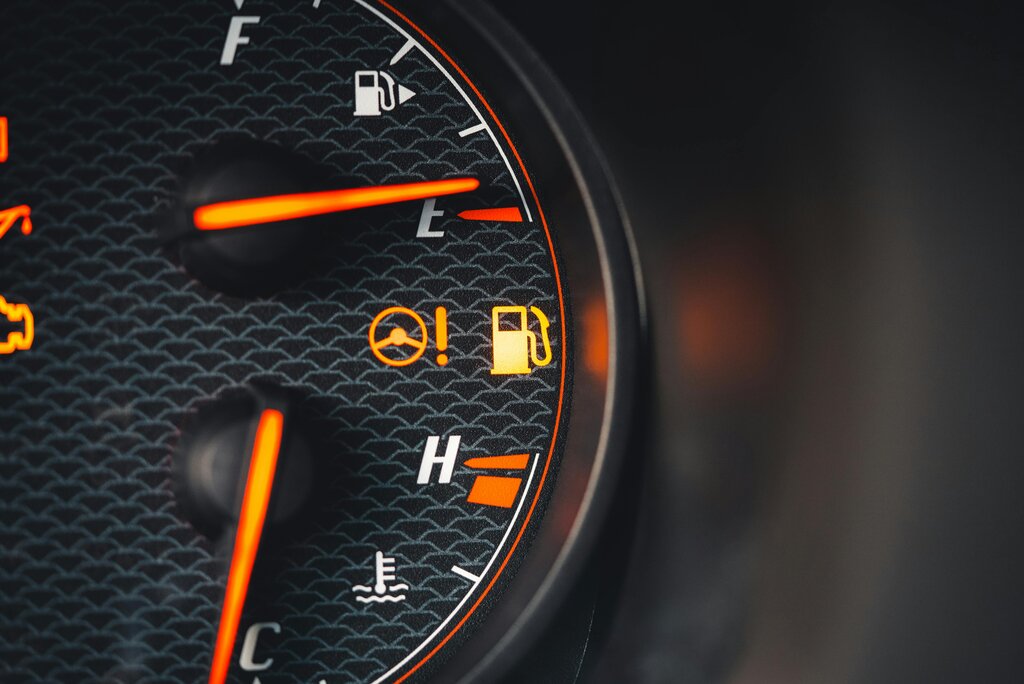
These lights are colour-coded for urgency. Red lights usually mean a serious problem that requires you to stop as soon as it's safe. Amber or orange lights are typically advisories—something needs to be checked soon, but it's not an immediate emergency. Here are some of the most common ones:
| Symbol | Meaning | Action Needed |
|---|---|---|
 | Check Engine | Problem with the engine management or emissions system. Get it checked by a mechanic. |
 | Oil Pressure Warning | Stop immediately. The engine has lost oil pressure, and running it could cause severe damage. |
 | Engine Temperature | Stop immediately. The engine is overheating. Let it cool down before checking coolant levels. |
 | Battery/Charging | The car's electrical system isn't charging properly. Drive to a mechanic if close, but avoid restarting the car. |
Always refer to your vehicle's handbook to understand what each specific symbol means. Don't ignore them.
Legal Responsibilities
As a driver, you are legally responsible for keeping your vehicle in a roadworthy condition. This isn't just about passing the annual MOT test; it's a day-to-day requirement. Driving a vehicle with serious defects can lead to fines, penalty points on your licence, or even a driving ban.
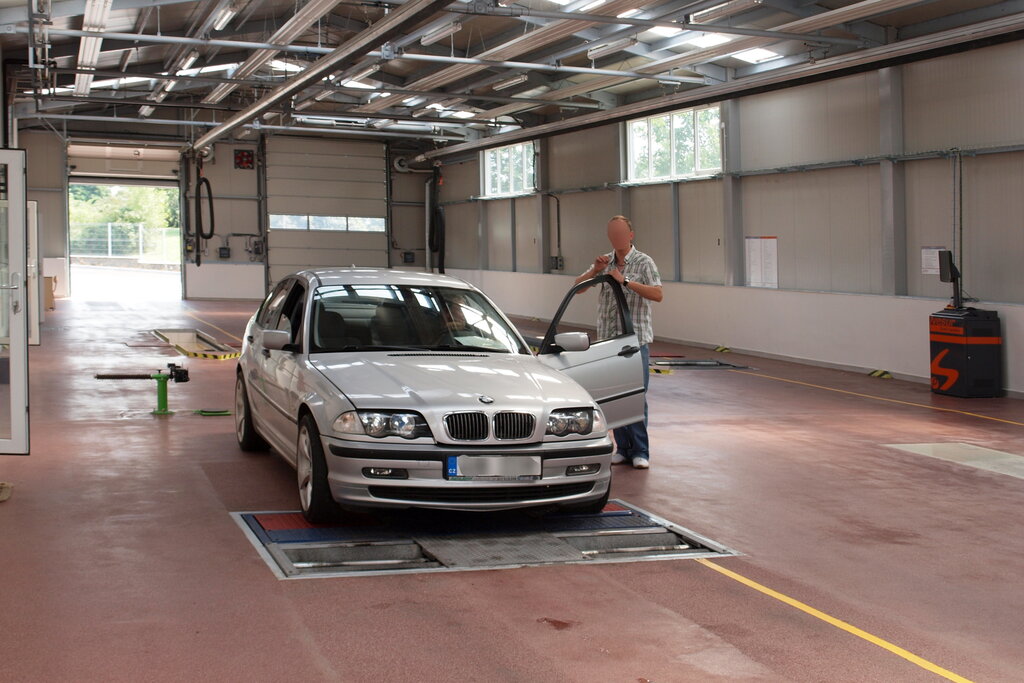
The MOT test is a mandatory annual inspection for most vehicles over three years old. It checks that your vehicle meets minimum road safety and environmental standards. However, passing an MOT doesn't guarantee your car will remain roadworthy for the next 12 months. Regular checks are still your responsibility.
One of the most critical legal requirements is tyre safety. In the UK, your car tyres must have a minimum tread depth of 1.6mm across the central three-quarters of the tread and around the entire circumference.
A simple way to check this is with a 20p coin. Insert it into the main tread grooves of your tyre. If you can't see the outer band of the coin, your tread is likely above the legal limit. If you can, your tyres may be unsafe and illegal, and you should have them checked by a professional.
Fluids and Servicing
Your car relies on several essential fluids to run smoothly and safely. Checking them regularly is a core part of vehicle maintenance.
- Engine Oil: This lubricates the engine's moving parts. Check the level using the dipstick when the engine is cool and the car is on level ground.
- Coolant: This stops the engine from overheating. The level should be between the 'min' and 'max' marks on the expansion tank.
- Brake Fluid: Crucial for your brakes to work. This is usually in a small, translucent reservoir. If the level is low, it could indicate a leak or worn brake pads.
- Screenwash: Essential for clear vision. Keep the reservoir topped up, especially in winter.
Pro Tip: Treat maintenance as part of driving. When you get gas, take two extra minutes to check something like tire pressure, oil level, or windshield washer fluid. Small habits build into big safety.
While you can do these basic checks yourself, regular servicing by a qualified mechanic is vital. A service is much more thorough than an MOT. Mechanics will change the oil and filters, and perform a wide range of checks on the engine, brakes, and suspension that you can't easily do at home.
Regular servicing keeps your car running efficiently, saves you money on fuel, and helps identify potential problems before they become expensive failures. It also provides a valuable service history, which can increase the car's resale value.
When you turn on your car's ignition, what does it mean if a red warning light stays on?
What is the simple, everyday object mentioned that can be used to check your tyre tread depth?
Keeping your vehicle in good shape is a fundamental part of being a safe and responsible driver.