UK Contractual Protections Against Limitation Clauses
Understanding Limitation and Exclusion Clauses
Setting Boundaries in Contracts
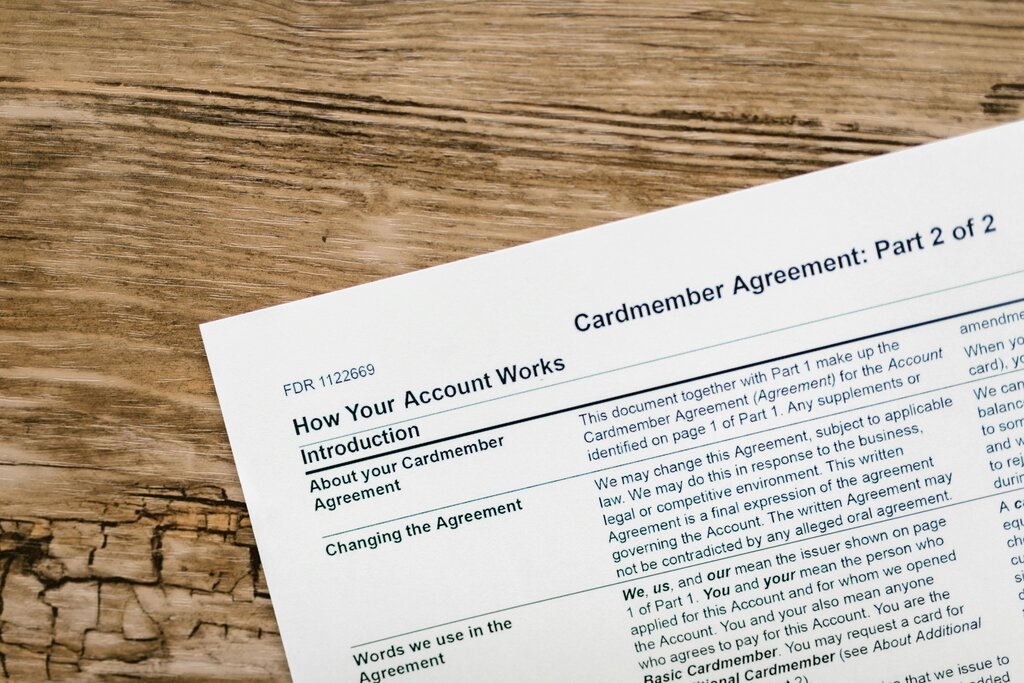
When you sign up for a new software, agree to a new phone plan, or even buy a concert ticket, you're entering into a contract. Buried in the fine print of these agreements are often two powerful types of clauses: limitation and exclusion clauses.
Exclusion Clause
noun
A term in a contract that seeks to completely eliminate one party's liability for certain types of loss or damage.
Think of an exclusion clause as a complete shield. A company might state that it is not responsible for any data loss that occurs while you use its cloud storage service. If your files disappear, this clause attempts to block you from holding the company accountable.
A limitation clause is a bit different. It doesn't eliminate liability entirely, but instead puts a cap on it. For example, the cloud storage provider might agree to be liable for data loss, but only up to the amount you paid for the service in the last six months. It limits their financial exposure to a specific, predictable amount.
Exclusion clauses aim to remove liability completely, while limitation clauses put a ceiling on it.
Why Big Companies Use Them
Large multinational corporations use these clauses primarily to manage risk. When you have millions of customers, the potential for things to go wrong multiplies. A single widespread issue could lead to countless claims, potentially costing the company billions.
By including limitation and exclusion clauses, these corporations can quantify their potential downside. They argue that this risk management allows them to offer products and services at a lower price. If they had to accept unlimited liability for every possible problem, they would need to charge much more to cover that potential cost. In essence, it's a way of standardizing their legal and financial risk across a huge customer base.
The Risks and the Power Imbalance
For consumers and small businesses, these clauses can be risky. The core issue is the massive imbalance in bargaining power. When you sign up for a service from a tech giant, you can't negotiate the terms. It's a take-it-or-leave-it situation. You need the service, so you click "I agree" without any real choice.
This can leave the weaker party exposed. Imagine a small business that relies on a software provider for its core operations. If that software fails and the provider has a strict limitation clause, the small business could suffer huge losses with no meaningful way to recover them. The clause protects the large corporation at the direct expense of its customer.
This situation highlights a fundamental tension in contract law. On one hand, there's the principle of "freedom of contract." This idea holds that parties should be free to agree to whatever terms they choose, and the law should respect their agreement.
On the other hand, there's a need to protect people from fundamentally unfair terms, especially when one side has all the power. If a contract is too one-sided, it can feel less like a mutual agreement and more like a set of rules imposed by the powerful on the powerless. Because of this, courts and governments have created rules to determine when an exclusion or limitation clause goes too far and becomes unenforceable.
Let's test your understanding of these core concepts.
A software company's contract states that its liability for any service failure is capped at the total amount the customer paid in the last 3 months. What type of clause is this?
According to the text, what is the primary reason large corporations use exclusion and limitation clauses?
Next, we'll explore the specific legal doctrines that courts use to evaluate and, in some cases, invalidate these clauses.